America's Favorite Pet: A Journey Through Furry Companionship
In the vast tapestry of American culture, few threads are as consistently vibrant and heartwarming as our relationship with pets. From the bustling streets of New York City to the quiet suburbs of the Midwest, furry companions have woven themselves into the very fabric of daily life. According to the American Veterinary Medical Association (AVMA), approximately 70% of U.S. households own at least one pet, translating to over 90 million homes where wagging tails and purring friends are part of the family.

A representation of America's diverse pet ownership across different settings.
The Canine Crown: Dogs Reign Supreme
For decades, dogs have held the title of America's favorite pet, and recent data from the American Kennel Club (AKC) confirms this enduring trend. With over 48 million households including at least one dog, these loyal companions offer more than just friendship—they provide emotional support, encourage physical activity, and even enhance social connections. Labrador Retrievers, French Bulldogs, and Golden Retrievers consistently top breed popularity charts, each bringing unique characteristics to American homes.
Research published in the Journal of Applied Animal Welfare Science highlights how dog ownership correlates with reduced stress levels and improved cardiovascular health. This scientific backing helps explain why families across the nation continue to welcome these four-legged friends into their lives, despite the responsibilities of training, grooming, and veterinary care.

Dogs participating in outdoor activities that strengthen human-animal bonds.
Feline Fascination: The Quiet Contenders
While dogs may dominate in numbers, cats command a special place in American hearts with approximately 31 million households providing homes for these independent creatures. The Humane Society of the United States notes that cat ownership has seen steady growth, particularly in urban areas where their lower space requirements and self-sufficient nature make them ideal companions for apartment dwellers.
What makes cats particularly fascinating is their dual nature—both affectionate and autonomous. Studies from the National Institutes of Health suggest that the rhythmic purring of cats can have therapeutic effects, lowering blood pressure and reducing anxiety in their human companions. This combination of low-maintenance care and emotional benefits explains why cats remain a close second in the competition for America's favorite pet.
Beyond Dogs and Cats: The Expanding Pet Universe
The American pet landscape extends far beyond traditional dogs and cats. Data from the American Pet Products Association (APPA) reveals significant growth in ownership of small mammals, birds, reptiles, and fish. Approximately 6.7 million households keep freshwater fish, while 5.7 million welcome small animals like rabbits, hamsters, and guinea pigs. These alternative pets often serve as entry points for first-time pet owners or as educational companions for children.
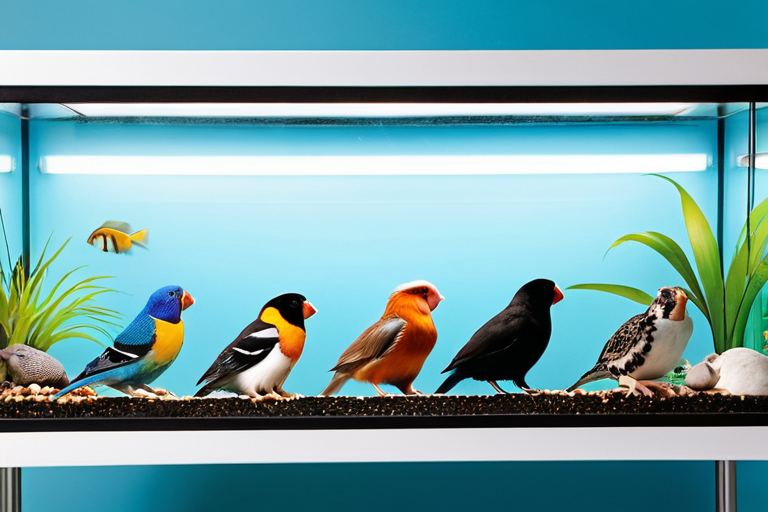
The diverse world of non-traditional pets gaining popularity in American homes.
Regional Variations in Pet Preferences
America's vast geographical and cultural diversity manifests in regional pet preferences. Analysis of data from U.S. Census Bureau surveys shows distinct patterns: Western states demonstrate higher cat ownership rates, possibly due to urban density and lifestyle factors, while Southern and Midwestern states show stronger preferences for dogs, particularly larger breeds suited to rural and suburban environments.
These regional differences extend to pet care practices as well. The AVMA's regional analysis indicates variations in veterinary visit frequency, spending on pet products, and even adoption rates from shelters versus breeders. Understanding these patterns helps pet industry professionals tailor products and services to local markets while assisting prospective pet owners in making informed decisions.
The Economic Pawprint: Pets as an Industry
America's love for pets translates into substantial economic activity. According to the APPA's annual report, total U.S. pet industry expenditures reached approximately $136.8 billion in 2022, covering food, supplies, veterinary care, grooming, boarding, and other services. This represents a consistent growth trajectory, with spending increasing annually despite broader economic fluctuations.
This economic impact extends beyond direct pet-related purchases. Pet-friendly workplaces, real estate developments with pet amenities, and tourism destinations catering to traveling pet owners all contribute to a broader ecosystem. The Bureau of Labor Statistics projects continued growth in veterinary professions, pet care services, and related fields, indicating sustained demand for pet-focused products and expertise.
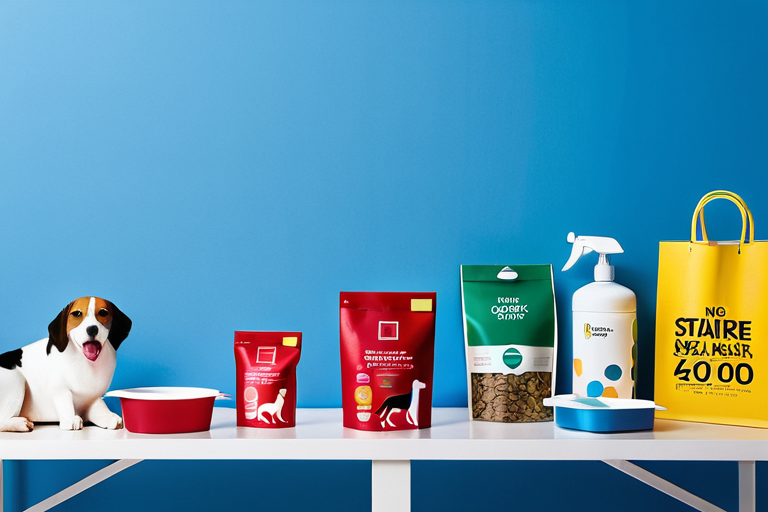
The expanding economic landscape driven by America's pet ownership.
Health and Wellness: The Human-Animal Bond
Beyond companionship and economic factors, the health benefits of pet ownership represent perhaps the most compelling aspect of America's favorite pet phenomenon. The Centers for Disease Control and Prevention (CDC) outlines multiple health advantages, including decreased blood pressure, reduced cholesterol levels, and improved opportunities for exercise and socialization.
For specific populations, these benefits prove particularly valuable. Elderly individuals with pets demonstrate lower rates of depression and increased social interaction, while children growing up with pets often develop stronger immune systems and greater empathy. Therapeutic animal programs in hospitals, schools, and rehabilitation centers further extend these benefits to broader communities.
Future Trends in American Pet Ownership
Looking ahead, several trends suggest evolving patterns in America's relationship with pets. The Pew Research Center identifies increasing pet humanization—the tendency to treat pets as family members rather than animals—as a driving force behind premium product growth, specialized services, and changing legal considerations regarding pet custody and rights.
Technological integration represents another significant development. From smart feeders and GPS trackers to telehealth veterinary services and DNA testing kits, technology is reshaping how Americans care for their pets. Sustainability concerns are also influencing purchasing decisions, with growing demand for eco-friendly products and ethically sourced pet foods.

Emerging technologies and trends shaping the future of pet ownership.
Conclusion: More Than Just Pets
America's favorite pet isn't merely a statistical category—it's a reflection of evolving social values, economic priorities, and emotional needs. Whether dogs maintaining their traditional dominance, cats offering quiet companionship, or alternative pets providing specialized experiences, these animals enrich American lives in measurable and immeasurable ways.
As we continue to welcome pets into our homes and hearts, the data suggests this relationship will only deepen, with innovations in care, understanding of benefits, and recognition of the unique bond between humans and animals shaping the next chapter of America's pet story.
Sources: American Veterinary Medical Association, American Kennel Club, Humane Society of the United States, American Pet Products Association, U.S. Census Bureau, Centers for Disease Control and Prevention, Pew Research Center, National Institutes of Health, Bureau of Labor Statistics, Journal of Applied Animal Welfare Science.