America's Favorite Pets: A Journey Through Furry Companionship
Exploring the beloved animals that share our homes and hearts across the United States
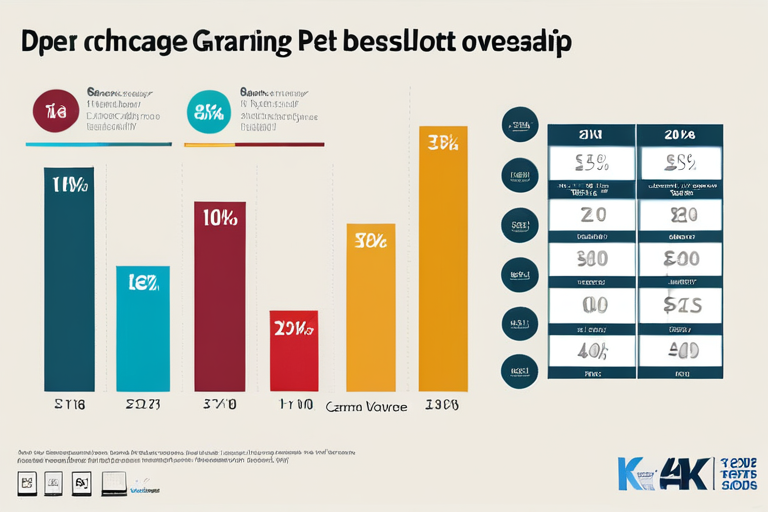
Visual representation of pet ownership trends in American households
The Canine Connection: America's Top Companion
According to the American Veterinary Medical Association, approximately 38.4% of American households own at least one dog, making canines the most popular pet choice nationwide. This translates to roughly 76.8 million dogs living in American homes, a number that has steadily increased over the past decade.
The American Kennel Club reports that Labrador Retrievers have maintained their position as America's favorite dog breed for 31 consecutive years, followed closely by French Bulldogs and Golden Retrievers. This preference reflects Americans' desire for versatile companions who can adapt to various lifestyles, from active outdoor adventures to cozy apartment living.

Diverse dog breeds that have captured American hearts
Feline Friends: The Silent Majority
While dogs may dominate in terms of popularity contests, cats actually outnumber them in American households. Data from the American Society for the Prevention of Cruelty to Animals reveals that approximately 25.4% of U.S. households include at least one cat, totaling about 58.4 million feline companions.
The rise of cat ownership correlates with changing urban demographics and lifestyle patterns. As noted by Pet Food Institute research, millennials and Gen Z pet owners increasingly favor cats due to their lower maintenance requirements and adaptability to smaller living spaces. This trend is particularly pronounced in metropolitan areas where apartment living has become more common.

The quiet comfort of feline companionship in contemporary America
Beyond Dogs and Cats: The Expanding Pet Universe
American pet ownership extends far beyond traditional canine and feline companions. The AVMA reports significant growth in alternative pet ownership, including:
- Freshwater fish: 11.8 million households
- Small animals: 6.7 million households (including rabbits, guinea pigs, hamsters)
- Birds: 5.7 million households
- Reptiles: 4.5 million households
This diversification reflects changing attitudes toward pet ownership and increased awareness of animal welfare. Educational resources from organizations like the Humane Society of the United States have helped prospective pet owners make informed decisions about which animals best fit their lifestyles and capabilities.

The growing diversity of pets in American households
The Economic Pawprint: Pet Industry Insights
According to the American Pet Products Association, Americans spent approximately $136.8 billion on their pets in 2022, with projections indicating continued growth. This expenditure breaks down into several key categories:
Annual Pet Expenditure Breakdown
- Food and treats: $58.1 billion
- Veterinary care and product sales: $35.9 billion
- Supplies, live animals, and over-the-counter medicine: $31.5 billion
- Other services (grooming, boarding, training, pet sitting, pet walking): $11.4 billion
This substantial economic impact demonstrates how deeply embedded pet ownership has become in American culture and commerce. The growth of premium pet products and services reflects increasing humanization of pets and willingness to invest in their wellbeing.
Regional Variations in Pet Preferences
Pet ownership patterns vary significantly across different regions of the United States. Research compiled by Statista reveals interesting geographical trends:
Western States: Higher rates of dog ownership, particularly in states like Colorado and Washington where outdoor activities are popular. These regions also show increased adoption of rescue animals compared to other areas.
Northeastern States: Higher concentration of cat owners, particularly in urban centers like New York City and Boston where apartment living predominates. This region also leads in pet insurance adoption rates.
Southern States: Higher percentage of households with multiple pets, with particular strength in dog ownership. Texas and Florida show especially high rates of pet ownership across all categories.
Midwestern States: Balanced distribution of dog and cat ownership, with above-average rates of small animal and bird ownership compared to other regions.
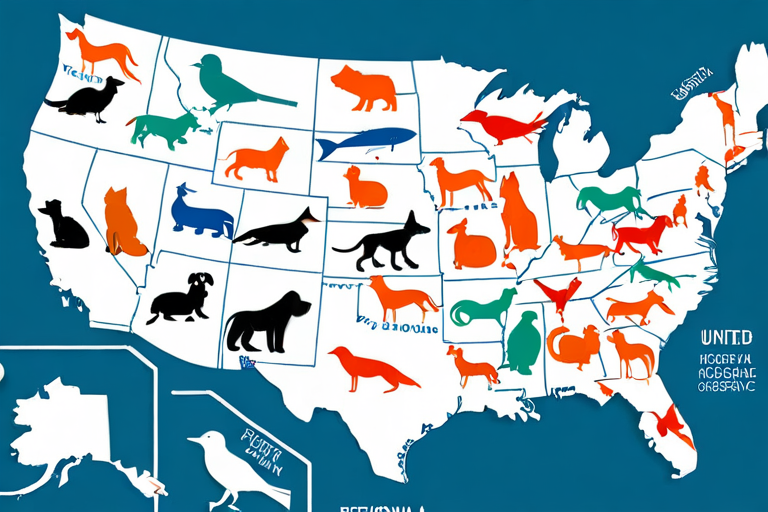
How geography influences pet preferences across America
The Human-Animal Bond: Psychological and Health Benefits
Scientific research has consistently demonstrated the profound benefits of pet ownership. Studies published in journals like American Psychological Association publications have shown that pet owners experience:
- Lower blood pressure and reduced stress levels
- Decreased feelings of loneliness and depression
- Increased opportunities for exercise and outdoor activities
- Enhanced social connections through pet-related activities
- Improved cardiovascular health, particularly among dog owners
The Centers for Disease Control and Prevention notes that pets can help children develop empathy, responsibility, and self-esteem. For older adults, pets provide companionship that can significantly improve quality of life and mental health outcomes.
Future Trends in American Pet Ownership
Several emerging trends suggest how America's relationship with pets will evolve in coming years:
Technology Integration: The rise of pet tech, including GPS trackers, automated feeders, and health monitoring devices, reflects increasing integration of technology into pet care. Market analysis from Grand View Research projects the pet tech market to reach $20 billion by 2027.
Sustainable Pet Products: Growing consumer demand for eco-friendly pet products, including biodegradable waste bags, sustainable pet food, and ethically sourced toys. This trend aligns with broader environmental consciousness among American consumers.
Telehealth Expansion: Increased adoption of veterinary telehealth services, particularly in rural areas and for routine consultations. The COVID-19 pandemic accelerated this trend, with many pet owners now preferring virtual consultations when appropriate.
Humanization Continuation: Ongoing trend toward treating pets as family members, with implications for product development, service offerings, and legal considerations. Some states have begun recognizing pets as more than property in legal contexts.

Envisioning the future of human-pet relationships in America
Conclusion: The Enduring American Love Affair with Pets
America's favorite pets represent more than just animals in our homes—they embody our values, reflect our lifestyles, and contribute to our wellbeing. From the loyal Labrador greeting its owner at the door to the independent cat watching the world from a windowsill, these companions have woven themselves into the fabric of American life.
The data clearly shows that pet ownership continues to grow and evolve, adapting to changing demographics, economic conditions, and cultural values. What remains constant is the fundamental human need for connection—a need that our pets fulfill in ways both simple and profound.
As we look to the future, one thing seems certain: America's love affair with pets will continue to deepen, diversify, and enrich both human and animal lives for generations to come. Whether through traditional companions like dogs and cats or through more exotic pets that reflect our growing understanding of animal welfare, these relationships will remain an essential part of the American experience.
Sources and Further Reading
This article draws on data from authoritative sources including:
- American Veterinary Medical Association - Comprehensive pet ownership statistics
- American Kennel Club - Dog breed popularity and trends
- American Society for the Prevention of Cruelty to Animals - Animal welfare and ownership data
- American Pet Products Association - Pet industry economic analysis
- Centers for Disease Control and Prevention - Health benefits of pet ownership