Why Choosing the Right Breed Matters for Families
Selecting a dog breed for a family environment isn't just about picking the cutest puppy—it's about matching lifestyle, energy levels, and temperament to ensure a harmonious household. According to the American Kennel Club (AKC), families should consider factors like size, grooming needs, and trainability when bringing a dog into a home with children. A well-matched dog can teach kids responsibility, provide companionship, and even improve mental health, as noted in studies from the American Veterinary Medical Association (AVMA).
Research from PetMD highlights that breeds with gentle dispositions and patience tend to thrive in busy family settings. This guide explores top breeds based on expert recommendations and real-world experiences, helping you make an informed decision for your home.
Top 10 Dog Breeds for Families
Based on data from the AKC and insights from ASPCA, here are the most recommended breeds for families, categorized by key traits.
1. Labrador Retriever
Consistently ranked as America's most popular breed by the AKC, Labradors are known for their friendly, outgoing nature. They're highly trainable, energetic, and great with children of all ages. According to Petfinder, their patience and intelligence make them ideal for active families.
2. Golden Retriever
Similar to Labradors, Golden Retrievers are affectionate, loyal, and gentle. The AVMA notes their adaptability to various living situations, though they require regular exercise and grooming. Their playful demeanor makes them perfect for kids who love outdoor activities.
3. Beagle
Beagles are small to medium-sized dogs with a curious and merry personality. As highlighted by ASPCA, they're excellent with children due to their sturdy build and tolerant nature. They do have a strong sense of smell, so secure fencing is recommended.
4. Bulldog
Bulldogs are calm, courageous, and friendly, making them great for families with less active lifestyles. The AKC points out their low energy needs, but they require attention to health issues like breathing difficulties in hot weather.
5. Poodle
Available in standard, miniature, and toy sizes, Poodles are highly intelligent and hypoallergenic. PetMD recommends them for families with allergies, as they shed minimally and are easy to train for various activities.
6. Irish Setter
Known for their red coat and playful energy, Irish Setters are outgoing and good-natured. The AKC suggests they thrive in active households where they can run and play, making them a fit for families with older children.
7. Collie
Made famous by Lassie, Collies are gentle, loyal, and great with kids. ASPCA notes their herding instinct, which can translate into protective behavior, ideal for family safety. They require regular grooming due to their long coat.
8. Newfoundland
Despite their large size, Newfoundlands are known as "gentle giants" with a sweet temperament. The AVMA highlights their patience and love for water, making them excellent for families near lakes or pools, though they need space to move.
9. Vizsla
Vizslas are energetic, affectionate, and often called "velcro dogs" for their attachment to family members. Petfinder recommends them for active families who enjoy hiking or running, as they require ample exercise to stay happy.
10. Mixed Breeds
Don't overlook mixed breeds from shelters! ASPCA emphasizes that many mixed-breed dogs exhibit wonderful family traits and can be healthier due to genetic diversity. Adopting can also teach children about compassion and rescue efforts.
Key Factors to Consider When Choosing a Family Dog
Beyond breed lists, it's crucial to evaluate your family's specific needs. Here are expert-backed considerations from AKC and PetMD:
- • Temperament: Look for breeds known for patience and gentleness, especially if you have young children. Avoid breeds with high prey drives or aggression tendencies.
- • Size and Space: Larger dogs may need more room to roam, while smaller breeds can adapt to apartments. Ensure your home environment matches the dog's needs.
- • Energy Level: Match the dog's activity requirements with your family's lifestyle. High-energy breeds like Vizslas need daily exercise, while Bulldogs are more laid-back.
- • Grooming and Health: Consider time and cost for grooming, as well as breed-specific health issues. Regular vet check-ups are essential, per AVMA guidelines.
- • Trainability: Breeds like Labradors and Poodles are easier to train, which can simplify integrating them into family routines and teaching kids how to interact safely.

Image: A family discussing dog breed options in a living room, with charts and books visible.
Training and Socialization Tips for Family Dogs
Proper training is key to a happy dog-family relationship. ASPCA recommends starting early with socialization to expose puppies to various people, sounds, and environments. Use positive reinforcement techniques, as supported by AVMA research, to encourage good behavior.
Involve children in training sessions under supervision to foster bonding and teach respect for animals. Regular exercise and mental stimulation, such as puzzle toys or agility courses, can prevent behavioral issues, notes Petfinder.
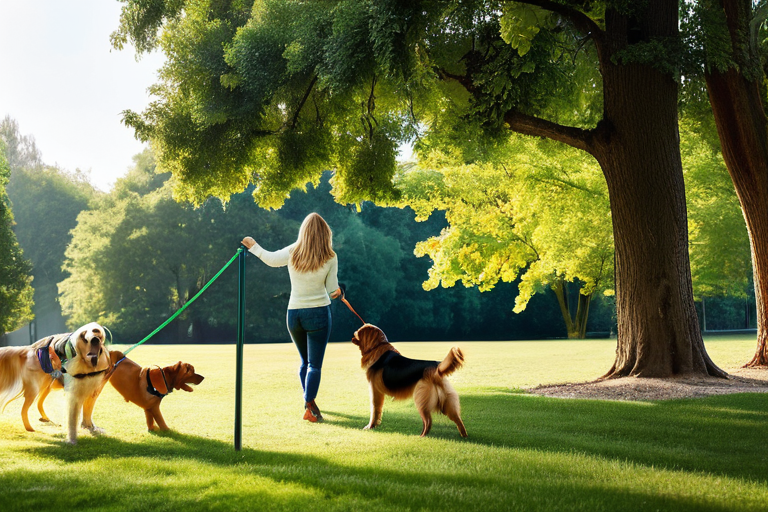
Image: A family engaging in positive reinforcement training with a dog in a sunny park setting.
Health and Maintenance for Family Dogs
Keeping your dog healthy ensures a long, joyful life together. The AVMA advises regular veterinary visits for vaccinations, parasite control, and dental care. Breed-specific concerns, such as hip dysplasia in larger breeds or respiratory issues in Bulldogs, should be monitored closely.
Nutrition is vital; consult your vet for diet recommendations based on age, size, and activity level. PetMD suggests incorporating grooming into family routines to check for skin issues or mats, especially in long-haired breeds like Collies.

Image: A veterinarian examining a dog while family members observe in a clinic setting.
Final Thoughts on Finding Your Family's Perfect Dog
Choosing a dog breed for your family is a significant decision that requires careful thought. By considering temperament, energy levels, and care needs, you can find a furry friend who enriches your home for years to come. Remember, resources from the AKC, ASPCA, and AVMA offer valuable guidance to support your journey.
Whether you opt for a popular breed like the Labrador Retriever or a lovable mixed breed from a shelter, the bond you build will be priceless. Take your time, involve the whole family, and enjoy the process of welcoming a new member into your home.