Introduction: The Unspoken Connection
Every pet owner has a story—a moment when their dog rested a head on their knee during a tough day, or their cat purred loudly after a stressful event. These anecdotes suggest an intuitive bond, but what does science say? Can pets truly sense human emotions? This article delves into rigorous studies from ethology, neuroscience, and psychology to uncover the mechanisms by which animals detect our emotional states. Understanding this phenomenon not only deepens our appreciation of interspecies relationships but also informs how we care for our animal companions.

Dogs: Masters of Human Reading
Research at the American Psychological Association highlights that dogs are the most studied species in this domain. A landmark 2016 study by Müller et al. (published in Animal Cognition) found that dogs can distinguish between happy and angry human faces, even when only shown half of the face. Another experiment at the University of Helsinki revealed that dogs rely on auditory cues: they respond differently to laughter versus crying. But the most compelling evidence comes from MRI research: when dogs smell the sweat of a happy human, their brain's reward centers activate; when they smell fear sweat, they show a stress response.
The Scent of Emotion
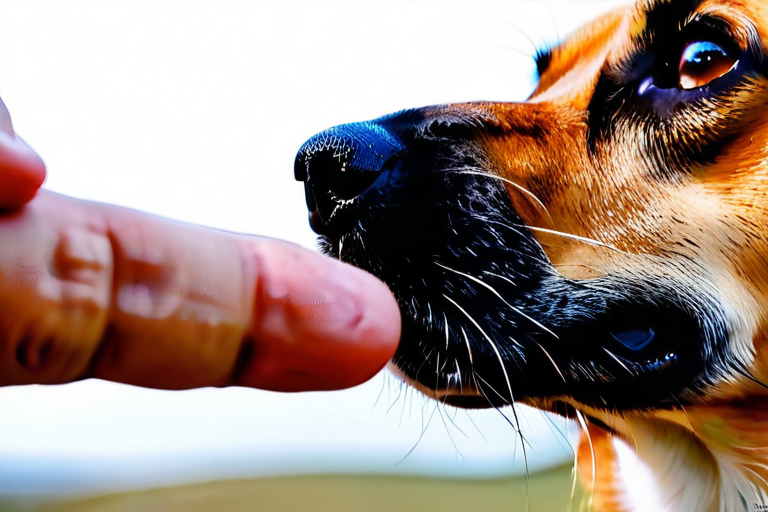
Humans emit volatile organic compounds through their skin that change with emotional state. A study in Animal Behavior demonstrated that dogs could discriminate between fear, happiness, and neutral odors with over 90% accuracy. This olfactory sensitivity allows them to 'smell' our emotions before we even speak.
Cats: The Enigmatic Empaths
Cats are less studied than dogs, but emerging research suggests they too pick up on human emotions. A 2020 study at the University of Tokyo found that cats behave differently when their owner is smiling versus frowning. They approach a smiling owner more readily and show more positive behaviors like purring and kneading. Dr. Kristyn Vitale, a feline behavior scientist, notes in her work that cats are highly attuned to human emotional cues: 'They know when you're sad, and they often choose to be near you.' Unlike dogs, however, cats may not always act on this awareness—they are independent creatures after all.
Vocalizations and Body Language
Cats use their hearing to detect changes in human voice pitch and tone. A study in Applied Animal Behaviour Science showed that cats respond more to high-pitched 'baby talk' directed at them versus neutral conversation. Additionally, cats read human body language: a relaxed posture signals safety, while tense shoulders may trigger cautious behavior.

Other Pets: Horses, Birds, and Beyond
Beyond cats and dogs, other companion animals also demonstrate emotion-sensing abilities. Horses, for instance, can recognize human facial expressions and adjust their behavior accordingly. A 2018 study in Biology Letters found that horses avoid photographs of angry faces and prefer happy ones. Parrots, known for their intelligence, have been shown to imitate human emotional vocalizations, suggesting they perceive and respond to our moods. Even rabbits may pick up on stress: they become more vigilant when their owners are anxious.
Neurological Basis: Mirror Neurons and Attachment
How do animals sense our emotions? Part of the answer lies in the neurobiological structures shared between humans and many mammals. Mirror neurons, which fire both when an individual performs an action and when they observe a similar action, have been found in primates and possibly dogs. In addition, oxytocin—the 'bonding hormone'—plays a crucial role. Mutual gaze between a dog and its owner increases oxytocin levels in both species, creating an emotional feedback loop described by Dr. Takefumi Kikusui of Azabu University.
Practical Implications for Pet Ownership
Understanding that pets sense our emotions emphasizes the need for emotional consistency and positive environments. If your pet picks up on your anxiety, they may become stressed themselves. Conversely, using a calm demeanor can help soothe a frightened pet. This knowledge also supports the use of animals in therapy: emotional support animals are effective partly because they respond to human emotions, providing comfort.
Conclusion: A Two-Way Street
While we may never fully know what our pets 'think', scientific evidence strongly suggests they are attuned to our emotional states. Dogs read our faces and smells; cats interpret our tones and posture; horses gauge our expressions. The human-animal bond is built on this subtle communication, enhancing our lives and theirs. As research continues, we uncover just how sophisticated our companions are—crying at our sadness, smiling at our joy.
Sources:
Müller, C. A., et al. (2016). "Dogs can discriminate human facial expressions." Animal Cognition.
Kikusui, T. (2015). "Oxytocin and mutual gaze in dogs." Science.
Vitale, K. (2020). "Feline social behavior and human attachment." Current Directions in Psychological Science.
University of Tokyo study on cat behavior and human emotion (2020).