
Research suggests dogs can differentiate between human emotional expressions
For centuries, pet owners have reported that their animal companions seem to know when they're sad, happy, or stressed. But is this genuine emotional perception or simply conditioned responses? Recent scientific investigations are revealing surprising truths about interspecies emotional intelligence.
Research suggests dogs can differentiate between human emotional expressions
A groundbreaking study published in Animal Cognition demonstrated that dogs can distinguish between happy and angry human faces. Researchers at the University of Veterinary Medicine Vienna exposed dogs to images of human faces showing different emotions while monitoring their physiological responses. The dogs showed significantly different reactions to positive versus negative expressions, suggesting genuine discrimination rather than simple conditioning.
Dr. Ludwig Huber, lead researcher on the project, explained: "Our findings indicate that dogs don't just respond to cues they've been trained to recognize. They appear to process emotional information in a way that suggests genuine understanding of human affective states."

Feline companions often exhibit comforting behaviors
Advanced neuroimaging techniques have revealed fascinating parallels between human and animal emotional processing. Research from Nature Scientific Reports shows that when dogs hear human emotional vocalizations, their brain activity patterns resemble those observed in humans experiencing similar emotions.
Key findings include:
According to Dr. Gregory Berns, a neuroscientist at Emory University whose work has been featured in The New York Times Science section, "The neural evidence strongly suggests that the human-dog bond involves genuine emotional connection, not just food-based reinforcement."
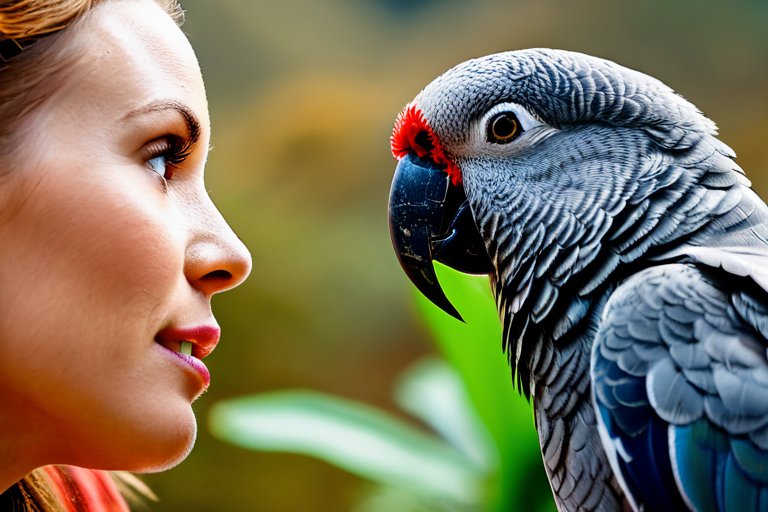
Avian species show remarkable social intelligence
Dogs appear particularly adept at reading human emotions, possibly due to their 15,000-year coevolutionary history with humans. Research from the American Kennel Club's Canine Health Foundation indicates that dogs use multiple sensory channels to assess human emotional states:
Contrary to popular belief about feline aloofness, research published in Behavioural Processes reveals that cats form complex emotional bonds with their human companions. A University of Lincoln study found that cats show clear preference for human interaction over food when their owners display signs of distress.
| Species | Primary Emotional Detection Method | Response Time to Human Distress |
|---|---|---|
| Dogs | Multi-sensory integration | 3-5 seconds |
| Cats | Auditory and contextual cues | 10-15 seconds |
| Horses | Body language and heart rate detection | Immediate |
Data compiled from multiple peer-reviewed studies in animal behavior journals
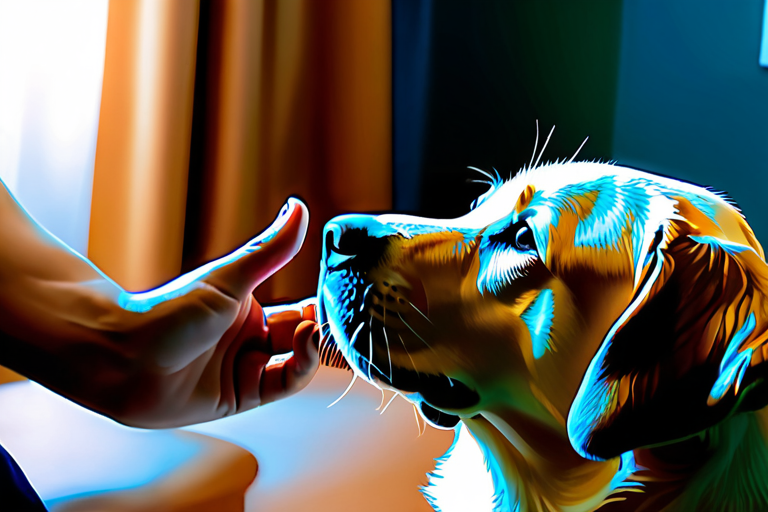
Emotionally attuned animals in therapeutic settings
The demonstrated emotional intelligence of pets has led to significant advancements in animal-assisted therapy. Organizations like Pet Partners have developed rigorous training programs based on scientific understanding of animal emotional capabilities.
Key therapeutic applications include:
Animals detecting early signs of anxiety or depression episodes, allowing for timely intervention
Pets helping individuals recognize and respond to emotional cues in social situations
Animal companions providing non-judgmental emotional support during healing processes
As our understanding of animal emotional intelligence grows, so do ethical responsibilities. The American Veterinary Medical Association has issued guidelines emphasizing the importance of recognizing pets as emotional beings with their own needs and experiences.
Current research directions include:
The accumulating scientific evidence strongly suggests that pets do possess genuine capacity to perceive and respond to human emotions. This ability appears to vary by species, individual animal, and specific emotional contexts. Rather than simple conditioned responses, the emotional connection between humans and their animal companions represents a complex interspecies dialogue that continues to reveal new dimensions of animal consciousness and emotional intelligence.
As research methodologies advance, we're likely to discover even deeper layers of emotional understanding in our animal companions, challenging traditional boundaries between human and animal emotional experiences.