Essential Dog Grooming Tips for a Healthy and Happy Pet
Proper grooming is more than just keeping your dog looking good – it's essential for their health and wellbeing. From brushing techniques to nail care, this comprehensive guide covers everything you need to know about maintaining your canine companion's appearance and health.
Why Regular Grooming Matters
According to the American Kennel Club, regular grooming helps prevent skin infections, reduces shedding, and allows for early detection of health issues like lumps, ticks, or skin abnormalities. Professional groomers recommend establishing a consistent routine that fits your dog's specific breed and coat type.
Brushing Techniques for Different Coat Types
Short-Haired Breeds
For breeds like Labrador Retrievers or Beagles, use a rubber curry brush or bristle brush 2-3 times weekly. The ASPCA recommends brushing in the direction of hair growth to remove loose fur and distribute natural oils.
Long-Haired Breeds
Breeds like Shih Tzus or Collies require daily brushing with a slicker brush and metal comb. The PetMD veterinary experts emphasize the importance of preventing mats, which can cause skin irritation and discomfort.
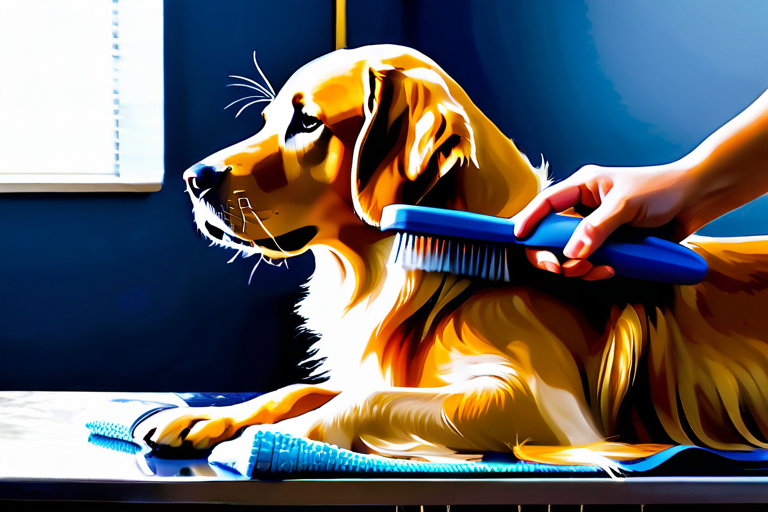
Proper brushing technique prevents mats and distributes natural oils
Bathing Your Dog: A Step-by-Step Guide
- Preparation: Gather all supplies before starting – dog shampoo, towels, brush, and cotton balls for ears
- Brushing: Always brush thoroughly before bathing to remove tangles and loose hair
- Water Temperature: Use lukewarm water (not hot) to avoid shocking your dog's system
- Shampoo Application: Use a pH-balanced dog shampoo, working from neck down, avoiding eyes and ears
- Rinsing: Rinse thoroughly – leftover shampoo can cause skin irritation
- Drying: Towel dry gently, then use a blow dryer on cool setting if necessary
The Humane Society recommends bathing most dogs every 4-6 weeks, though frequency depends on breed, activity level, and skin conditions.
Nail Care and Ear Cleaning
Nail Trimming Safety
Trim nails every 3-4 weeks using guillotine or scissor-style clippers. The quick (blood vessel inside the nail) is visible in light-colored nails but harder to see in dark nails. VCA Animal Hospitals advises cutting small amounts frequently rather than large sections occasionally.
Ear Maintenance
Check ears weekly for redness, odor, or discharge. Clean with veterinarian-approved ear cleaner and cotton balls, never Q-tips. According to AVMA guidelines, floppy-eared breeds need more frequent attention due to reduced air circulation.
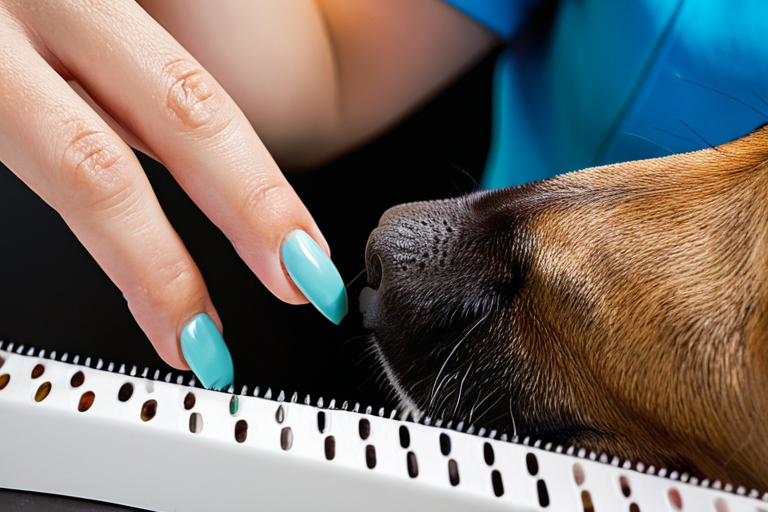
Proper nail care prevents painful overgrowth and joint issues
Dental Care: Often Overlooked but Crucial
Veterinary studies show that over 80% of dogs show signs of dental disease by age three. The American Animal Hospital Association recommends:
- Daily tooth brushing with dog-specific toothpaste
- Dental chews and toys that help reduce plaque
- Annual professional dental cleanings
- Regular inspection for broken teeth, red gums, or bad breath
Seasonal Grooming Considerations
Summer Grooming
Never shave double-coated breeds completely – their undercoat provides insulation. Focus on regular brushing to remove dead hair and improve air circulation.
Winter Care
Paw protection becomes crucial. Use pet-safe ice melt and consider dog boots. Keep hair between paw pads trimmed to prevent ice buildup.
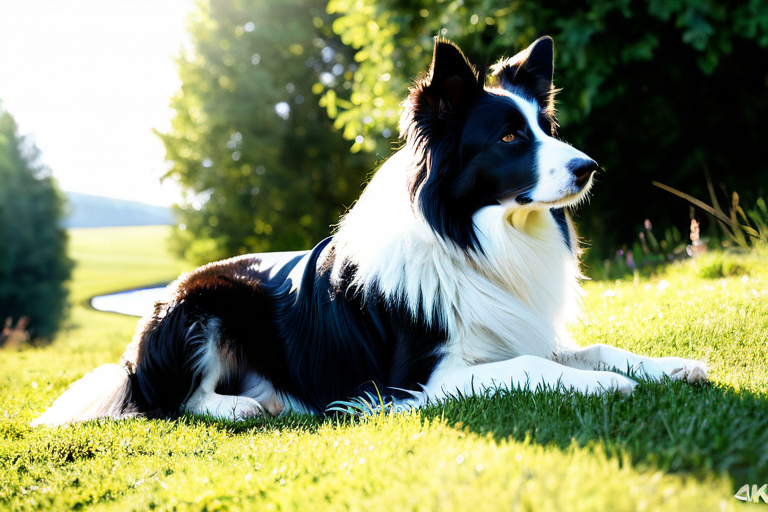
Seasonal grooming adjustments keep dogs comfortable year-round
When to Seek Professional Help
While home grooming is important, certain situations require professional attention:
- Severe matting that cannot be gently brushed out
- Anal gland expression (unless you've been trained)
- Dogs with behavioral issues during grooming
- Medical conditions requiring special handling
- Show dogs requiring breed-specific styling
The National Dog Groomers Association maintains a directory of certified professionals who can handle complex grooming needs safely.
Key Takeaways
- Establish a consistent grooming routine based on your dog's breed and needs
- Use proper tools and techniques to avoid injury or discomfort
- Regular grooming allows for early detection of health issues
- Don't neglect dental care – it's crucial for overall health
- Know when to seek professional grooming assistance
Remember: Grooming should be a positive experience for both you and your dog. Take it slow, use plenty of praise and treats, and stop if either of you becomes stressed. A well-groomed dog is a healthy, happy dog.
Sources: American Kennel Club, ASPCA, PetMD, Humane Society, VCA Animal Hospitals, American Veterinary Medical Association, American Animal Hospital Association, National Dog Groomers Association
Always consult with your veterinarian for personalized advice regarding your dog's specific grooming and healthcare needs.