Do Dogs Dream? Unraveling the Mysteries of Canine Sleep
Exploring the science behind your dog's twitching paws and muffled barks during sleep
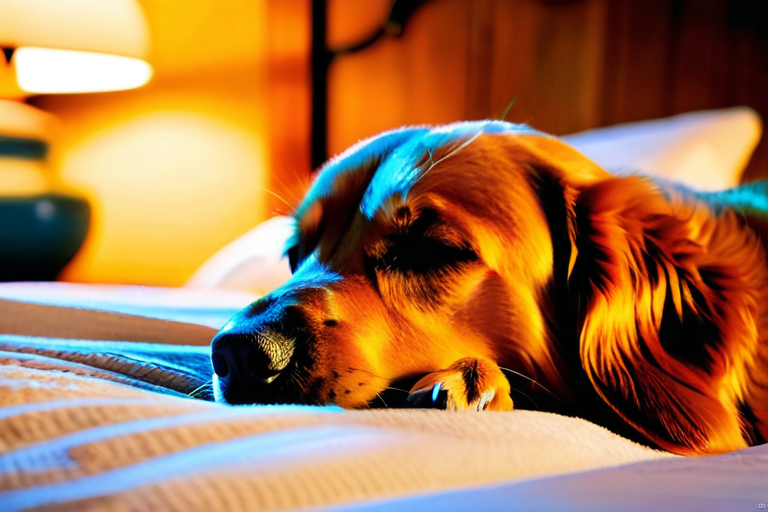
A dog experiencing REM sleep, where dreams are believed to occur
Have you ever watched your dog sleep and noticed their paws twitching, their eyelids fluttering, or heard soft whimpers escaping their mouth? These behaviors have fascinated dog owners for centuries, leading to the inevitable question: do dogs dream? While we can't ask our canine companions about their nocturnal adventures, scientific research provides compelling evidence that dogs do indeed dream, and their dream world might be more complex than we ever imagined.
The Science of Canine Sleep Cycles
Dogs, like humans, experience different stages of sleep. According to research from the American Kennel Club, canine sleep follows a pattern similar to ours, cycling through non-REM (rapid eye movement) and REM sleep. During REM sleep, which typically occurs about 20 minutes after falling asleep, brain activity increases dramatically. This is the stage where most dreaming occurs in humans, and evidence suggests the same is true for dogs.
Dr. Stanley Coren, a renowned psychologist and dog behavior expert, explains in his book "How Dogs Think" that dogs have sleep patterns remarkably similar to humans. "During REM sleep," he writes, "a dog's brain waves show patterns almost identical to those of a waking dog, suggesting they're processing information and experiences." This neurological similarity forms the foundation for understanding canine dreams.
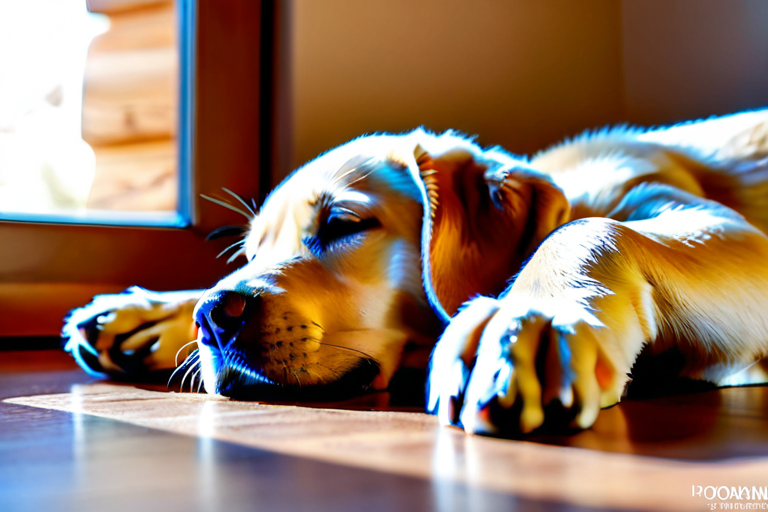
Puppies experience more REM sleep than adult dogs, possibly dreaming of their daily adventures
What Do Dogs Dream About?
While we can't peek directly into a dog's dream, researchers have made educated guesses based on behavior and brain activity. Harvard University's animal cognition studies suggest that dogs likely dream about familiar activities and experiences. The twitching paws might indicate running through a field, while the muffled barks could represent interactions with other dogs or their human family.
MIT neuroscientist Dr. Matthew Wilson's research on rat dreams provides fascinating insights that likely apply to dogs too. In studies published in ScienceDirect, Wilson found that rats replay their daily experiences during REM sleep. Since dogs have similar brain structures for memory processing, it's reasonable to assume they dream about their daily walks, play sessions, and interactions.
Smaller dogs tend to dream more frequently but for shorter durations, while larger breeds have longer, less frequent dreams. This difference relates to their sleep cycles and brain size variations across breeds.
Recognizing Dreaming Behavior in Your Dog
Most dog owners have witnessed dream signs without realizing their significance. Here are the most common indicators that your dog is dreaming:
- Twitching paws and legs: Often indicates running or chasing dreams
- Eye movements under closed lids: The "rapid eye movement" that gives REM sleep its name
- Vocalizations: Soft barks, whimpers, or growls during sleep
- Irregular breathing: Changes in breathing patterns during intense dream sequences
- Facial expressions: Smiles, frowns, or lip movements
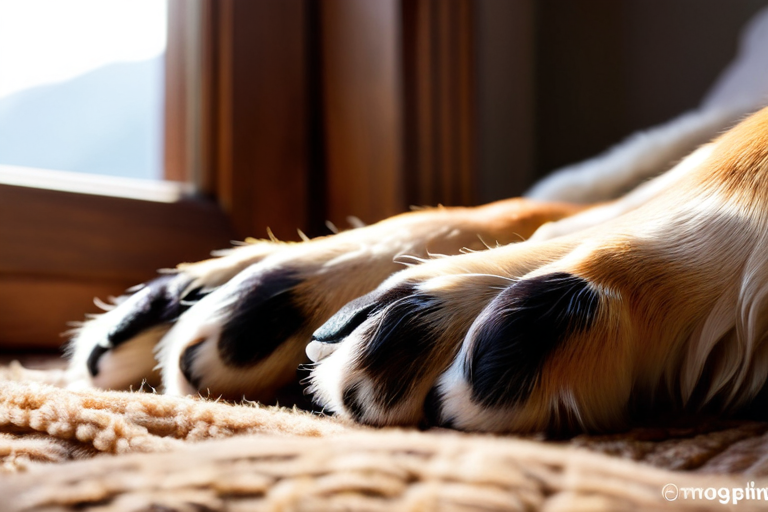
Paw twitching is one of the most common signs of canine dreaming
The Evolutionary Purpose of Canine Dreams
Why do dogs dream? Evolutionary biologists suggest several important functions. According to research compiled by Nature Research, dreaming likely serves multiple purposes:
- Memory consolidation: Dreams help dogs process and store daily experiences, particularly important for working dogs and those in training
- Skill reinforcement: Replaying successful hunting or herding behaviors during sleep strengthens neural pathways
- Emotional processing: Dreams may help dogs process social interactions and emotional experiences
- Brain development: Puppies experience more REM sleep, suggesting dreams play a role in cognitive development
This evolutionary perspective helps explain why dreaming has been preserved across mammalian species, including our canine companions.
When to Be Concerned: Nightmares and Sleep Disorders
Just as humans can have bad dreams, dogs can experience nightmares too. The American Veterinary Medical Association notes that signs of canine nightmares include:
Violent thrashing, distressed vocalizations (whining, howling), waking suddenly in a frightened state, and reluctance to return to sleep. If these symptoms occur frequently, consult your veterinarian as they could indicate underlying anxiety or sleep disorders.
Most veterinarians agree that occasional nightmares are normal, but persistent sleep disturbances warrant professional attention. Senior dogs may experience more sleep disruptions due to cognitive changes or physical discomfort.
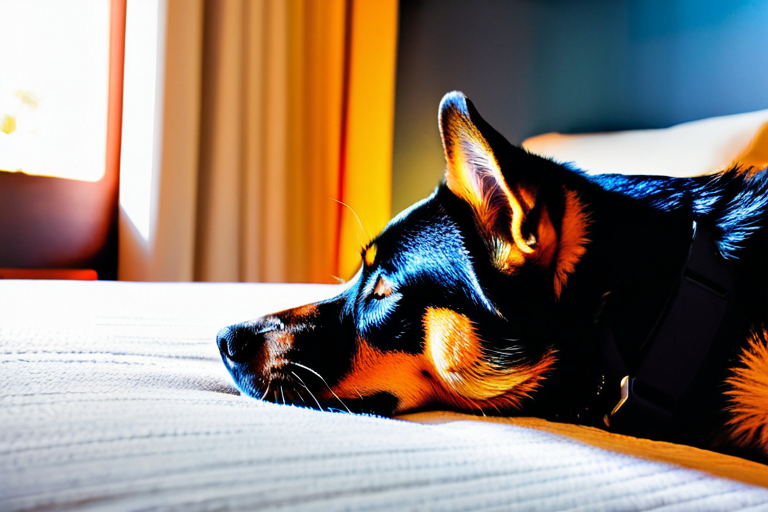
A peaceful sleeping environment supports healthy dreaming patterns
Supporting Healthy Sleep and Dreaming
As responsible pet owners, we can create conditions that support healthy sleep and dreaming for our dogs:
Remember that while it's tempting to wake a dreaming dog, most experts recommend letting them complete their sleep cycle unless they appear to be having a nightmare. Interrupting REM sleep can be disorienting and may prevent important memory processing.
The Future of Canine Dream Research
Advancements in neuroimaging technology are opening new windows into canine cognition. Researchers at universities worldwide are developing non-invasive methods to study dog brain activity during sleep. While we may never know exactly what our dogs dream about, each scientific discovery brings us closer to understanding their rich inner lives.
As we continue to unravel the mysteries of canine consciousness, one thing remains clear: our dogs' dream worlds are as real and meaningful as our own. The next time you see your dog twitching in their sleep, take a moment to appreciate the complex neurological processes at work—and wonder what adventures they're having in their dreams.
Key Takeaways
- Dogs experience REM sleep where dreaming occurs
- Dream content likely relates to daily experiences and activities
- Twitching, vocalizations, and eye movements indicate dreaming
- Dreaming serves important evolutionary functions
- Healthy sleep patterns support overall canine wellbeing
Sources: American Kennel Club, Harvard University, Nature Research, American Veterinary Medical Association, and peer-reviewed scientific studies on canine cognition and sleep patterns.