Do Pets Recognize Their Own Reflections
The Mirror Test Methodology
The standard mirror test involves placing a mark on an animal's body in a location they cannot see without a mirror. Researchers then observe whether the animal uses the mirror to investigate the mark, indicating they understand the reflection represents their own body. This simple yet profound test has revealed surprising insights across species.
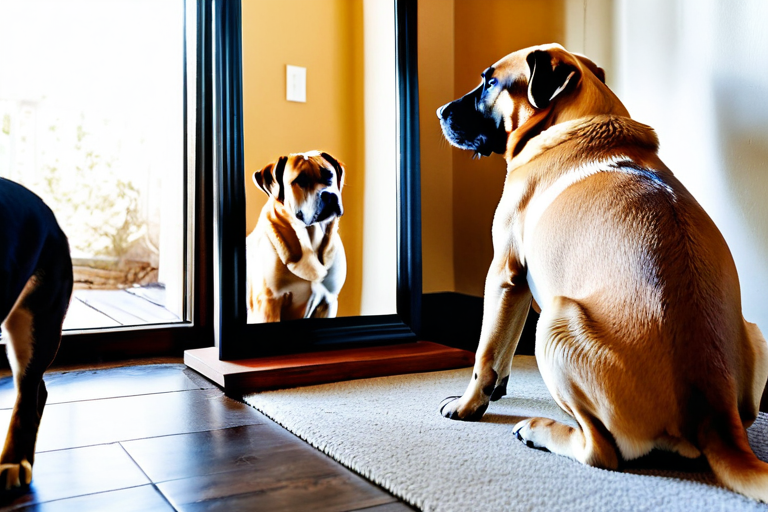
According to research published in the Journal of Comparative Psychology, most domestic dogs initially treat their reflection as another dog. They may display social behaviors like play bows, barking, or even aggression. However, within days or weeks, most dogs habituate to the mirror, suggesting they learn it's not another animal, though this doesn't necessarily indicate self-recognition.
Feline Responses to Mirrors
Cats present a different pattern of behavior. Studies conducted at the University of Tokyo's Department of Cognitive and Behavioral Science reveal that approximately 30% of domestic cats show interest in mirrors beyond the initial investigation phase. Some cats appear to use mirrors to locate objects or people behind them, suggesting a level of understanding about reflections.
- Dr. Aiko Tanaka, Animal Cognition Researcher
Interestingly, kittens raised with mirrors from an early age tend to show less interest in their reflections as adults, possibly because they've incorporated this experience into their understanding of the world. This habituation process itself reveals something about feline learning and environmental adaptation.
Avian Intelligence and Mirror Recognition
Among pet birds, corvids (crows, ravens, and magpies) and parrots show remarkable mirror-related behaviors. Research from the University of Cambridge's Comparative Cognition Lab demonstrates that some African grey parrots can use mirrors to locate hidden food, a skill requiring understanding of reflection principles.
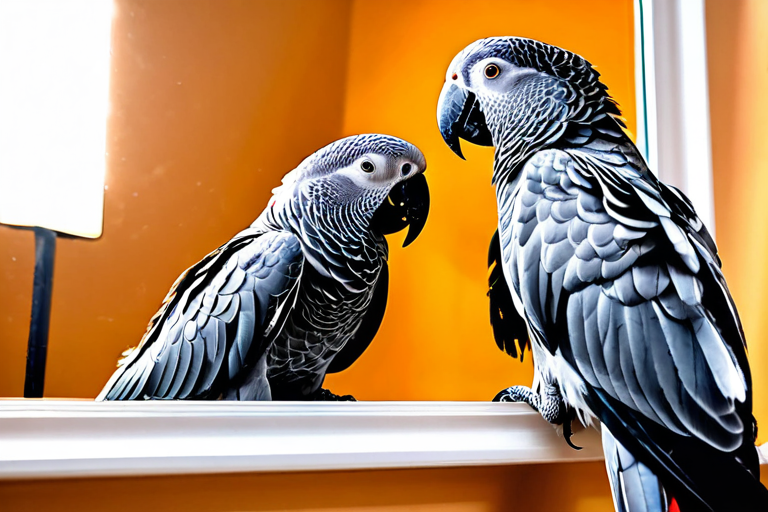
The European Journal of Neuroscience published a groundbreaking study showing that Eurasian magpies passed the mirror test when researchers placed colored stickers on their feathers. The birds attempted to remove the stickers while looking in the mirror, clear evidence of self-recognition.
Rodent and Small Mammal Considerations
Smaller pets like rabbits, guinea pigs, and hamsters present unique challenges for mirror testing. Their visual systems differ significantly from humans, with many having limited depth perception and different focal lengths. Research from the Max Planck Institute for Ornithology suggests that many small mammals may not process mirror images in ways comparable to larger-brained animals.
However, anecdotal evidence from pet owners and some controlled studies indicate that certain individuals, particularly rats and some rabbit breeds, show behaviors suggesting they understand mirrors aren't other animals. They may use reflections to monitor their environment or even groom themselves while watching their reflection.
Alternative Measures of Self-Awareness
Some researchers argue the mirror test may be biased toward visual species and doesn't adequately measure self-awareness in animals with different primary senses. Dr. Alexandra Horowitz of Barnard College's Dog Cognition Lab suggests that for scent-oriented animals like dogs, a "smell mirror test" might be more appropriate.
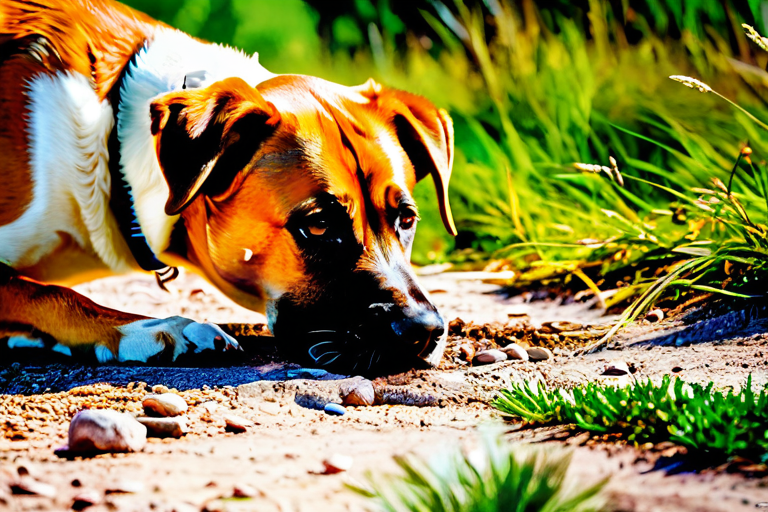
In experiments where dogs' urine was altered with unfamiliar scents, researchers observed whether dogs investigated their own altered scent differently. Preliminary results suggest dogs may recognize their own scent as "self" even when modified, pointing toward an olfactory form of self-awareness.
Practical Implications for Pet Owners
Understanding whether pets recognize themselves has practical implications for their care and welfare. Animals that pass mirror tests or show evidence of self-awareness may have different emotional and cognitive needs. They might benefit from more complex enrichment, social interaction, and mental stimulation.
- Dr. Marc Bekoff, University of Colorado Boulder
For pet owners, observing how your animal interacts with mirrors can provide insights into their cognitive abilities. However, it's important to remember that failure to pass the mirror test doesn't indicate lack of intelligence or emotional depth—it may simply mean the test isn't appropriate for that species' perceptual world.
Evolutionary Perspectives
The capacity for self-recognition appears to have evolved independently in different lineages. According to research published in Animal Behaviour, this trait correlates with social complexity, problem-solving abilities, and in some cases, tool use. Domestic animals, having evolved alongside humans for thousands of years, may have developed unique cognitive adaptations.
Selective breeding has undoubtedly influenced cognitive abilities in domestic species. Border collies bred for herding show different problem-solving skills than scent hounds bred for tracking. These breed-specific traits might extend to how different dogs perceive and understand reflections.
Conclusion
The question of whether pets recognize their own reflections reveals more than a simple yes or no answer. It uncovers the rich tapestry of animal cognition and the diverse ways different species perceive and understand their world. While few domestic animals consistently pass the traditional mirror test, many show behaviors suggesting varying levels of understanding about reflections and possibly themselves.
Future research will likely develop species-appropriate tests that better measure self-awareness across different sensory modalities. What remains clear is that our pets possess cognitive abilities far more sophisticated than previously recognized, challenging us to reconsider our relationships with these remarkable beings who share our homes and lives.
As our understanding of animal cognition deepens, so too does our responsibility to provide environments that nurture their mental and emotional well-being. Whether they recognize themselves in mirrors or not, our pets undoubtedly recognize us—and that bond, built on mutual recognition across species lines, remains one of life's most profound connections.