Effective Methods to Remove Dog Hair from Clothes
Every dog owner knows the struggle: you put on a fresh outfit, only to find it covered in pet hair minutes later. Dog hair clings to fabrics with surprising tenacity, creating a constant battle for clean clothing. This comprehensive guide explores proven techniques, tools, and preventative measures to keep your wardrobe hair-free.
Why Dog Hair Clings to Clothing
Dog hair contains microscopic scales that latch onto fabric fibers through static electricity and physical entanglement. According to American Kennel Club research, hair structure varies by breed, affecting how easily it releases from materials.
Immediate Removal Techniques
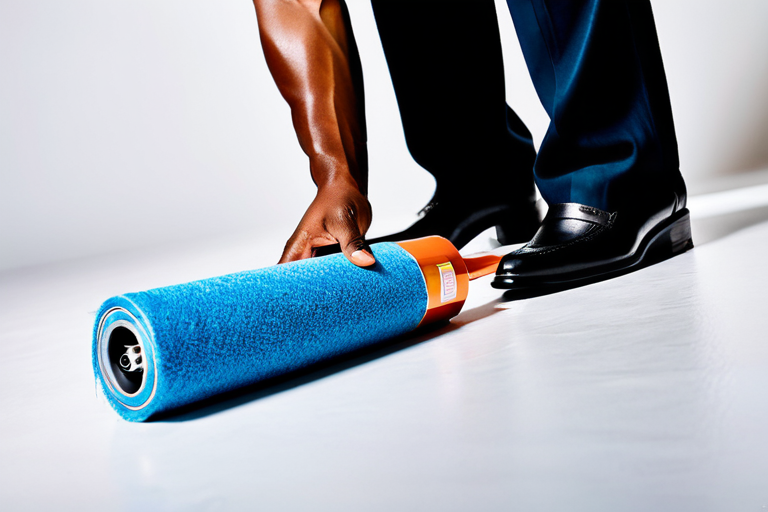
1. Lint Rollers: The Classic Solution
Lint rollers remain the most accessible tool for quick hair removal. The adhesive sheets trap hair effectively, especially on smooth fabrics. For best results, roll in one direction rather than back-and-forth motions.
2. Rubber Gloves: The Unexpected Hero
Damp rubber gloves create friction that lifts hair from fabrics. Simply dampen the gloves, run your hands over the clothing, and watch hair gather into manageable clumps. This method works exceptionally well on upholstery and car interiors too.
3. Damp Sponge or Cloth
A slightly damp sponge dragged across fabric collects hair through moisture adhesion. This technique works well on delicate fabrics where adhesive rollers might be too aggressive.
Laundry Solutions for Embedded Hair
Pre-Wash Preparation
Before washing, shake garments vigorously outdoors to dislodge loose hair. Consumer Reports testing shows this simple step removes up to 60% of surface hair.
Vinegar Rinse Technique
Add ½ cup white vinegar to the rinse cycle. The acidity helps break down static electricity that holds hair to fabrics. This method also softens fabrics naturally.
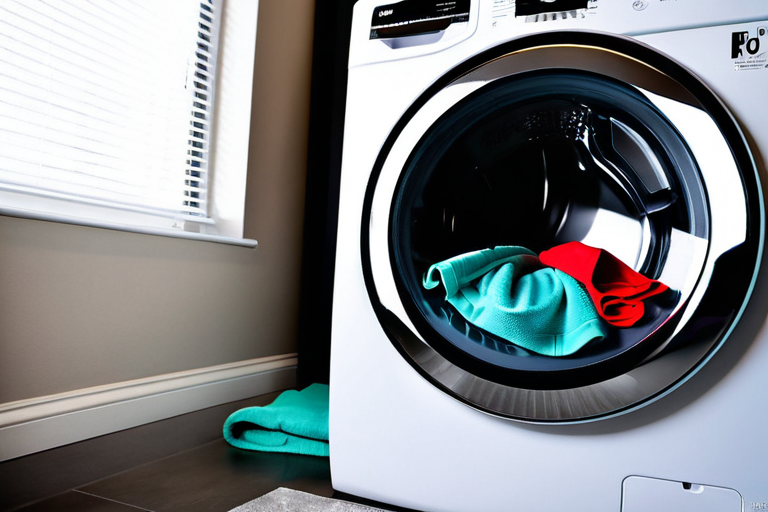
Dryer Sheet Method
Throw a dryer sheet into the dryer with hairy clothes. The anti-static properties help release hair during the tumbling process. Always clean the lint trap thoroughly afterward.
Specialized Tools for Stubborn Hair
1. Fabric Shavers
Electric fabric shavers gently remove embedded hair and pills from clothing. These devices work particularly well on sweaters, blankets, and other knit fabrics where hair becomes woven into the material.
2. Squeegee Tools
Window squeegees aren't just for glass! The rubber blade effectively scrapes hair from carpets and furniture, and works surprisingly well on certain fabrics like velvet and corduroy.
3. Pet Hair Removal Brushes
Specialized brushes with rubber bristles or self-cleaning designs offer efficient hair removal. The ASPCA recommends choosing tools specifically designed for pet hair rather than repurposing human hair brushes.
Preventative Measures
Reducing hair accumulation begins with managing your dog's shedding:
- Regular Grooming: Brush your dog frequently, especially during shedding seasons
- Designated Dog Blankets: Place washable blankets where your dog likes to rest
- Air Purifiers: HEPA filters capture airborne hair before it settles on clothing
- Clothing Storage: Keep clothes in closed closets rather than open racks
Fabric-Specific Strategies
Synthetic Fabrics
Polyester, nylon, and other synthetics generate more static, making them hair magnets. Use anti-static sprays before wearing, and consider adding wool dryer balls to laundry loads.
Natural Fibers
Cotton, wool, and linen tend to hold less hair but can trap it more deeply. For these fabrics, thorough shaking before washing and using a fabric softener in the rinse cycle proves most effective.
Professional Cleaning Considerations
For valuable garments or stubborn cases, professional cleaners have industrial-grade equipment. Many offer specialized pet hair removal services using high-powered vacuums and specialized treatments.
Common Mistakes to Avoid
- Using tape: Can leave residue on fabrics
- Over-washing: Can damage fabrics without removing embedded hair
- Ignoring the dryer filter: Clean it after every load containing hairy items
- Using the wrong brush: Stiff bristles can damage delicate fabrics
Final Recommendations
For daily maintenance, keep a lint roller by your door. For laundry, incorporate vinegar rinses monthly. For serious shedding situations, invest in a quality pet hair removal brush. Remember that consistent grooming of your dog remains the most effective long-term solution.
Different techniques work better on different fabrics and hair types, so experiment to find what works best for your specific situation. With these strategies, you can enjoy both your furry friend and hair-free clothing.
Sources: American Kennel Club, Consumer Reports, ASPCA, and textile care specialists. Always test cleaning methods on inconspicuous areas first.