Effective Strategies to Reduce Dog Shedding: A Comprehensive Guide
Every dog owner knows the struggle: tufts of fur on your furniture, clothes, and floors. While shedding is a natural process for dogs, excessive hair loss can be managed with proper care and techniques. This guide explores scientifically-backed methods to minimize shedding while keeping your furry friend healthy and comfortable.
Understanding the Shedding Cycle
Dogs shed as part of their natural hair growth cycle, which includes three phases: anagen (growth), catagen (transition), and telogen (resting/shedding). According to American Kennel Club research, factors like breed, age, health, and season significantly influence shedding patterns. Double-coated breeds like Huskies and German Shepherds typically shed more than single-coated breeds.

Nutrition: The Foundation of Healthy Coat
Proper nutrition plays a crucial role in coat health. Cornell University College of Veterinary Medicine recommends diets rich in omega-3 and omega-6 fatty acids, which strengthen hair follicles and reduce excessive shedding. Look for dog foods containing:
- Fish oil or flaxseed for omega-3
- High-quality animal protein
- Vitamins A, E, and B-complex
- Zinc and biotin supplements
A study published in the Journal of Nutritional Science found that dogs receiving optimal fatty acid supplementation showed 40% less shedding after 12 weeks.
Grooming Techniques That Actually Work
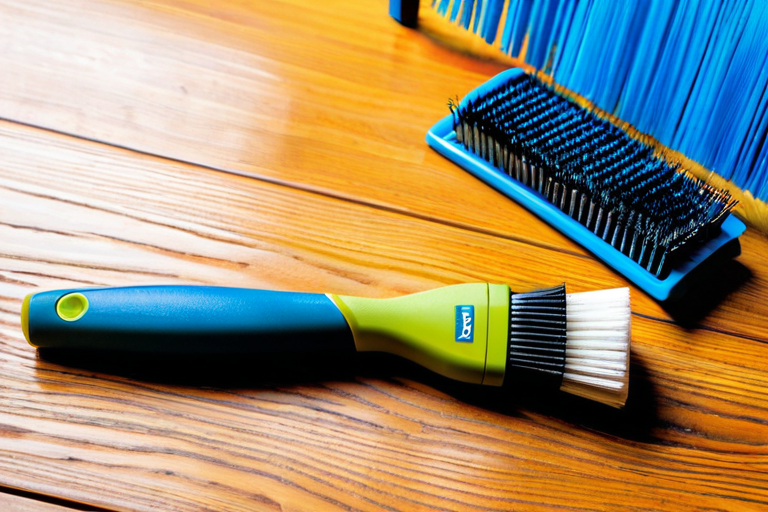
Regular grooming is essential for managing shedding. The ASPCA recommends these grooming practices:
Brushing Frequency and Tools
Brush your dog 2-3 times weekly with appropriate tools:
- Slicker brushes for removing loose undercoat
- Deshedding tools like Furminators for heavy shedders
- Bristle brushes for finishing and distributing oils
Bathing Protocol
Bathe your dog every 4-6 weeks using deshedding shampoos containing oatmeal or aloe vera. American Veterinary Medical Association guidelines suggest using lukewarm water and thoroughly rinsing to prevent skin irritation that can worsen shedding.
Environmental and Health Considerations

Stress Reduction
Stress can trigger excessive shedding. Create a calm environment with:
- Consistent routines
- Designated quiet spaces
- Regular exercise and mental stimulation
Health Monitoring
Sudden increases in shedding may indicate health issues. The Merck Veterinary Manual lists these potential causes:
- Allergies or skin infections
- Parasites (fleas, mites)
- Hormonal imbalances
- Nutritional deficiencies
Consult your veterinarian if shedding seems abnormal or is accompanied by skin irritation.
Seasonal Shedding Management
Most dogs shed more during spring and fall as they adjust their coats for temperature changes. During these periods:
- Increase brushing to daily sessions
- Use de-shedding treatments at groomers
- Maintain consistent indoor temperatures
- Consider air purifiers to manage airborne hair
Professional Grooming Benefits
Professional groomers offer specialized services like:
- High-velocity drying to remove loose hair
- Deshedding treatments with specialized products
- Skin and coat assessments
The National Dog Groomers Association recommends professional grooming every 6-8 weeks for optimal coat maintenance.
Home Maintenance Tips
While managing your dog's shedding, keep your home clean with:
- Rubber brooms for hard floors
- Lint rollers and pet hair removers
- Washable furniture covers
- HEPA filter vacuum cleaners
Breed-Specific Strategies
Different breeds require tailored approaches:
| Breed Type | Shedding Level | Recommended Care |
|---|---|---|
| Double-coated (Huskies, Malamutes) | Heavy | Daily brushing, seasonal blowout grooming |
| Short-haired (Labs, Beagles) | Moderate | Weekly brushing, rubber grooming tools |
| Low-shedding (Poodles, Bichons) | Minimal | Regular clipping, occasional brushing |
Key Takeaways
- Consistent grooming reduces shedding by up to 60%
- Quality nutrition is fundamental for coat health
- Regular veterinary check-ups prevent health-related shedding
- Environmental management complements direct dog care
- Patience and consistency yield the best results
Remember: While you can't completely stop a dog from shedding (it's a natural, healthy process), these strategies can significantly reduce the amount of hair in your home and keep your dog's coat in optimal condition. Implement these techniques consistently, and you'll notice a cleaner home and a happier, healthier canine companion.