Effective Strategies to Stop Destructive Dog Chewing
Destructive chewing is one of the most common behavioral issues dog owners face, affecting approximately 20-40% of puppies and many adult dogs. While frustrating, chewing is a natural canine behavior rooted in biological needs and psychological factors. Understanding why dogs chew is the first step toward implementing effective solutions.
Quick Facts About Dog Chewing
- Puppies chew during teething (3-6 months)
- Adult dogs may chew due to boredom or anxiety
- Chewing releases endorphins, providing natural stress relief
- Destructive chewing peaks between 6-18 months of age
Understanding the Root Causes
According to veterinary behaviorists at the American Veterinary Medical Association, chewing serves multiple purposes for dogs:
Teething Discomfort
Puppies lose baby teeth between 12-24 weeks. Chewing provides relief from gum soreness during this developmental phase.
Boredom & Excess Energy
Dogs left alone for extended periods often chew to relieve boredom, especially high-energy breeds like Border Collies or Labrador Retrievers.
Anxiety & Stress
Separation anxiety affects approximately 14% of dogs, with chewing being a common symptom according to American Kennel Club research.
Proven Prevention Strategies
1. Provide Appropriate Chew Alternatives
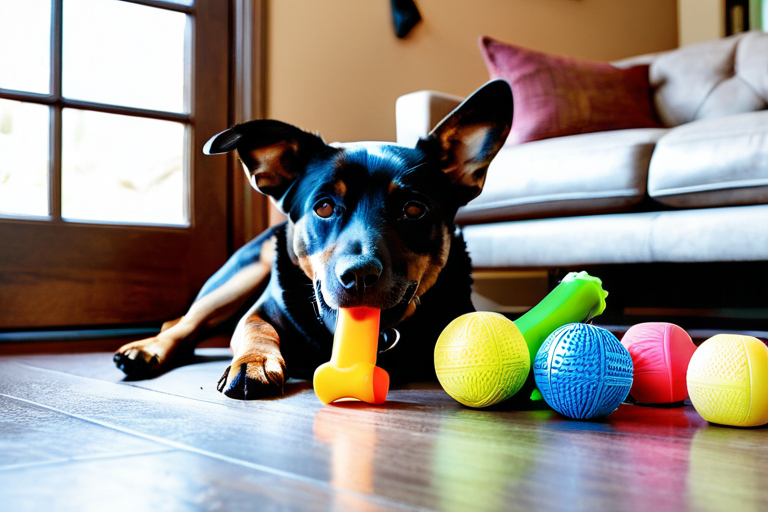
The Humane Society recommends rotating 3-5 different types of chew toys to maintain your dog's interest. Consider these categories:
- Rubber toys like Kong toys that can be stuffed with treats
- Dental chews that promote oral health while satisfying chewing urges
- Edible chews such as bully sticks or dental bones
- Interactive puzzle toys that provide mental stimulation
2. Implement Proper Supervision
Dr. Sophia Yin, renowned animal behaviorist, emphasized in her training manuals that "prevention is nine-tenths of the solution." Use baby gates or exercise pens to limit access to tempting items when you cannot directly supervise.
3. Increase Physical & Mental Exercise
A tired dog is less likely to engage in destructive behaviors. The ASPCA recommends:
Daily Exercise Guidelines
- 30-60 minutes of aerobic exercise for most breeds
- 15-20 minutes of training sessions for mental stimulation
- Interactive play like fetch or tug-of-war
- Nose work games to engage natural scenting abilities
4. Use Positive Reinforcement Training
When you catch your dog chewing an appropriate item, immediately praise and reward with high-value treats. This reinforces the desired behavior. According to certified dog trainer Victoria Stilwell, "Redirecting to appropriate chew toys with enthusiastic praise creates positive associations."

Addressing Specific Scenarios
Puppy Teething Phase (3-6 Months)
During this developmental stage, puppies experience significant discomfort. Veterinary behaviorist Dr. Karen Overall recommends:
- Freeze wet washcloths or rubber toys to numb sore gums
- Provide multiple texture options (soft, medium, hard)
- Supervise closely and redirect from inappropriate items
- Never punish chewing - it's a biological necessity
Separation Anxiety Chewing
Dogs with separation anxiety often target owner-scented items. The Cornell University College of Veterinary Medicine suggests:
- Create a safe confinement area with favorite toys
- Practice gradual departures to desensitize anxiety triggers
- Use calming supplements or pheromone diffusers (consult your vet)
- Consider professional behavior modification programs
Boredom-Induced Chewing
Working breeds and high-energy dogs require substantial mental stimulation. Certified Applied Animal Behaviorist Patricia McConnell recommends:
Slow feeders and puzzle bowls extend meal times
Hide treats around the house for searching
Teach new tricks in 5-minute increments
Play dates with compatible dog friends
What Not to Do: Common Mistakes
Avoid These Counterproductive Approaches
- Physical punishment - Creates fear and may worsen anxiety
- Yelling or scolding after the fact - Dogs don't connect punishment with past actions
- Using old shoes or items as toys - Confuses what's acceptable to chew
- Isolation as punishment - Can exacerbate separation anxiety
- Inconsistent rules - Mixed messages hinder learning
When to Seek Professional Help
While most chewing issues respond to consistent training, certain situations warrant professional intervention:
- Chewing that causes self-injury or damages household items despite prevention efforts
- Signs of severe anxiety (panting, drooling, destruction focused on exits)
- Sudden onset of destructive chewing in previously well-behaved adult dogs
- Chewing accompanied by other behavioral changes (appetite loss, lethargy)
Consult with a veterinary behaviorist or certified professional dog trainer if problems persist. The Certification Council for Professional Dog Trainers maintains a directory of qualified professionals.

Long-Term Management & Success
Successfully managing chewing behavior requires patience and consistency. Most dogs show significant improvement within 4-8 weeks of implementing comprehensive strategies. Remember that chewing is a natural canine behavior - the goal isn't elimination, but appropriate channeling.
Key Takeaways for Lasting Success
✓ Understand your dog's specific chewing triggers
✓ Provide appropriate alternatives consistently
✓ Ensure adequate physical and mental exercise
✓ Use positive reinforcement, not punishment
✓ Be patient - behavior change takes time
✓ Seek professional help when needed
By addressing the underlying causes of destructive chewing and implementing evidence-based solutions, you can protect your belongings while ensuring your dog's physical and psychological needs are met. Remember that every dog is unique - what works for one may need adjustment for another. Consistency, patience, and understanding are your most valuable tools in this journey.