Essential Dog Grooming Tips for a Healthy and Happy Pet
Proper grooming is more than just keeping your dog looking good—it's crucial for their health and well-being. From brushing techniques to nail care, this comprehensive guide covers everything you need to know about maintaining your canine companion.
Table of Contents
1. Brushing Techniques for Different Coat Types
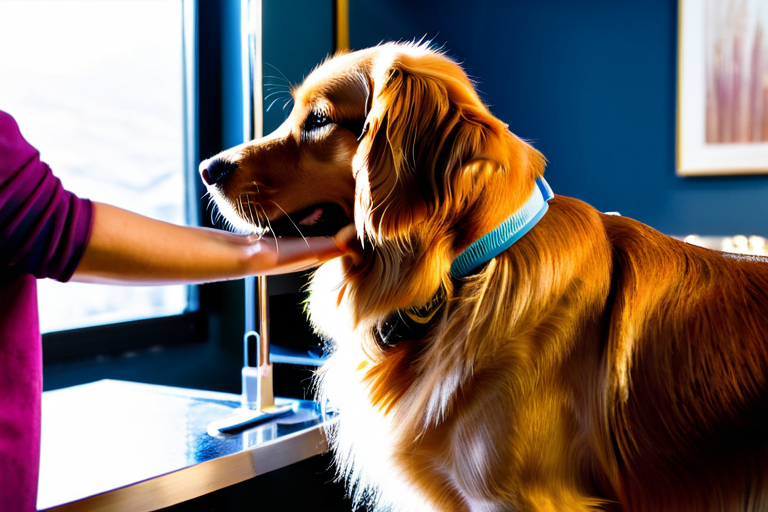
Regular brushing prevents matting and distributes natural oils
Brushing isn't just about removing loose hair—it's essential for skin health and coat maintenance. According to the American Kennel Club, different coat types require specific approaches:
Short-Coated Breeds
For breeds like Labrador Retrievers or Beagles, use a rubber curry brush or bristle brush once weekly. These tools help remove dead hair and stimulate oil production.
Long-Coated Breeds
Breeds such as Collies or Afghan Hounds need daily brushing with a slicker brush followed by a metal comb. The ASPCA recommends starting at the ends and working toward the skin to prevent pulling.
Double-Coated Breeds
Siberian Huskies and German Shepherds require undercoat rakes during shedding seasons. Regular brushing prevents overheating and skin issues.
2. Bathing Best Practices
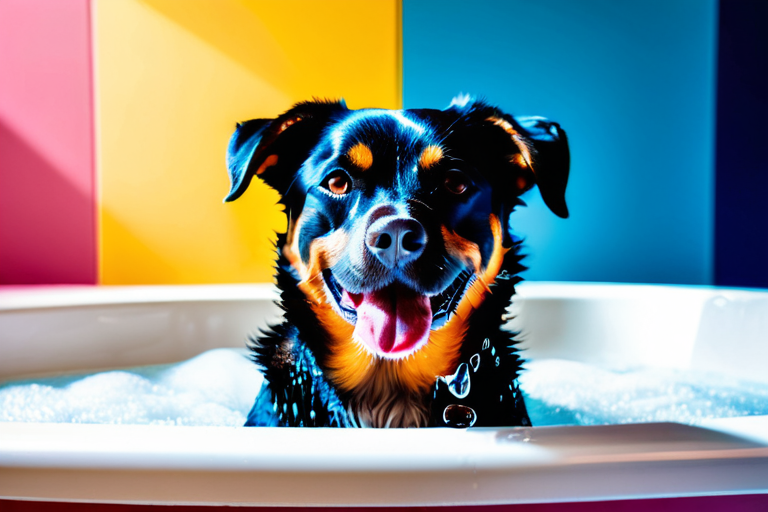
Proper bathing technique ensures comfort and cleanliness
Bathing frequency depends on your dog's lifestyle and coat type. Most dogs need bathing every 4-6 weeks, but active dogs or those with skin conditions may require more frequent baths.
Step-by-Step Bathing Guide
- Brush First: Always brush thoroughly before bathing to remove tangles and loose hair
- Use Lukewarm Water: Test water temperature on your wrist—it should feel comfortably warm
- Choose Appropriate Shampoo: Use dog-specific shampoos. Human products can strip natural oils
- Protect Ears: Place cotton balls in ears to prevent water entry
- Rinse Thoroughly: Residual shampoo can cause skin irritation
- Dry Completely: Use towels and a low-heat dryer if your dog tolerates it
The VCA Animal Hospitals emphasizes the importance of using products formulated specifically for dogs, as their skin pH differs from humans.
3. Nail Care Essentials
Overgrown nails can cause pain, posture problems, and even permanent damage. Most dogs need nail trims every 3-4 weeks.
Identifying the Quick
In light-colored nails, the quick appears as a pink area. For dark nails, trim small amounts until you see a black dot in the center—this indicates you're approaching the quick. If you accidentally cut the quick, use styptic powder to stop bleeding.
Nail Trimming Tools
- Guillotine Clippers: Best for small to medium dogs
- Scissor Clippers: Suitable for all sizes, provide better control
- Grinders: Ideal for dogs afraid of clipping, create smooth edges
4. Ear Cleaning Procedures
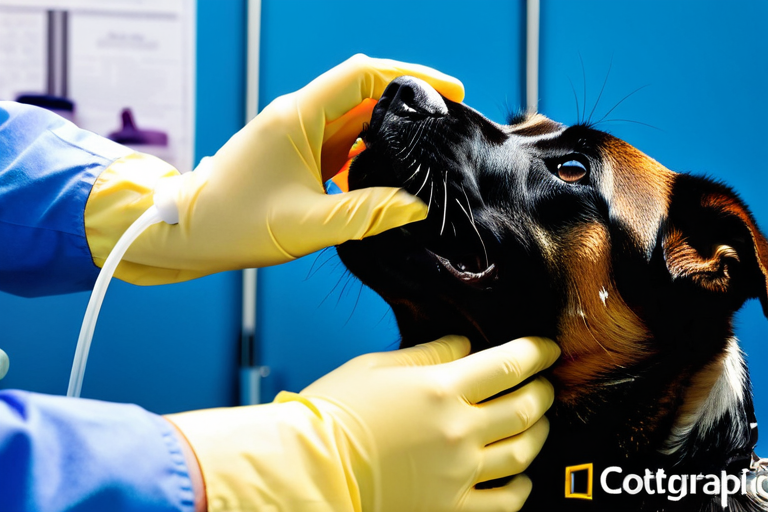
Regular ear checks prevent infections and discomfort
Dogs with floppy ears or those who swim frequently need weekly ear checks. According to veterinary experts, signs of ear problems include:
- Excessive head shaking or scratching
- Redness or swelling in the ear canal
- Unpleasant odor
- Dark discharge
Safe Cleaning Technique
Use a veterinarian-approved ear cleaner. Apply solution to the ear canal, massage the base gently, then allow your dog to shake their head. Wipe away debris with cotton balls—never use cotton swabs deep in the ear canal.
The American Veterinary Medical Association warns against using alcohol or hydrogen peroxide, which can irritate sensitive ear tissue.
5. Dental Hygiene for Dogs
Dental disease affects over 80% of dogs by age three. Regular dental care prevents painful conditions and systemic health issues.
Daily Brushing
Use dog-specific toothpaste and a soft-bristled brush. Start slowly, focusing on outer surfaces where plaque accumulates most.
Dental Chews
VOHC-approved chews help reduce plaque between brushings. Monitor your dog during chewing to prevent choking.
Professional Cleanings
Annual veterinary dental cleanings under anesthesia allow thorough scaling and assessment below the gumline.
6. Seasonal Coat Maintenance
Coat care varies with seasons and climate. The Humane Society provides these seasonal guidelines:
| Season | Primary Concerns | Recommended Actions |
|---|---|---|
| Spring | Heavy shedding, allergens | Daily brushing, allergy medication if needed |
| Summer | Heat, parasites, swimming | Regular baths, flea/tick prevention, ear drying |
| Fall | Matting from moisture, burrs | Thorough brushing after outdoor activities |
| Winter | Dry skin, salt irritation | Moisturizing shampoos, paw protection, less frequent baths |
7. When to Seek Professional Grooming Help
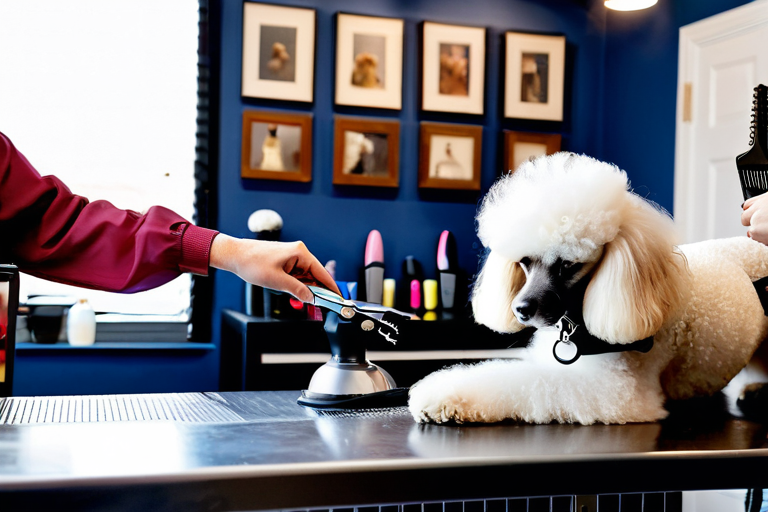
Professional groomers handle complex cuts and specialized needs
While regular home grooming is essential, professional groomers provide services that require specialized skills:
Situations Requiring Professionals
- Breed-specific haircuts (Poodles, Schnauzers, etc.)
- Severe matting that cannot be brushed out
- Dogs with extreme anxiety or aggression during grooming
- Medical conditions requiring special handling
- Show dog preparation
Finding a Qualified Groomer
Look for certifications from organizations like the National Dog Groomers Association of America. Visit facilities beforehand to ensure cleanliness and proper handling techniques.
Final Thoughts
Consistent grooming strengthens the bond between you and your dog while ensuring their physical comfort. Start grooming routines early in your dog's life, use positive reinforcement, and make sessions brief and pleasant. Remember that grooming is not just cosmetic—it's preventive healthcare that can extend your dog's life and improve their quality of life.
For breed-specific guidance, consult your veterinarian or a certified professional groomer. Every dog is unique, and their grooming needs will evolve with age, health status, and lifestyle changes.
Sources: American Kennel Club, ASPCA, VCA Animal Hospitals, American Veterinary Medical Association, Humane Society of the United States, National Dog Groomers Association of America
Note: Always consult with your veterinarian before making significant changes to your dog's grooming routine, especially if they have existing health conditions.