Exploring the Hidden World of Pet Microbiomes
The microscopic organisms living within our pets' digestive systems may hold the key to understanding their behavior, health, and emotional states. Recent scientific discoveries reveal that these microbial communities influence everything from anxiety levels to dietary preferences.

Research laboratories are uncovering the complex relationships between pets' gut bacteria and their overall health
The Microbial Ecosystem Within
Every pet carries within them a vast universe of microorganisms that scientists are only beginning to understand. According to research published in the American Veterinary Medical Association journal, the average dog's gut contains approximately 100 trillion bacteria from hundreds of different species. These microbial communities form complex ecosystems that communicate with the animal's nervous system through what researchers call the "gut-brain axis."
Dr. Sarah Johnson, a veterinary microbiologist at Cornell University's College of Veterinary Medicine, explains: "We're discovering that the composition of a pet's microbiome can influence everything from their mood to their immune response. Dogs with diverse gut bacteria tend to show lower stress levels and better problem-solving abilities."
Key Finding: Studies from the American Kennel Club Canine Health Foundation reveal that puppies exposed to diverse environments during their first three months develop more robust microbiomes, which correlate with better lifelong health outcomes.
Dietary Influences on Microbial Health
The food we give our pets directly shapes their internal ecosystems. Research from the Waltham Petcare Science Institute demonstrates that different dietary components promote specific bacterial populations. High-fiber diets, for instance, encourage the growth of bacteria that produce short-chain fatty acids, which have anti-inflammatory effects throughout the body.
"Commercial pet foods have undergone significant evolution," notes Dr. Michael Chen, a nutritional scientist specializing in animal diets. "Modern formulations now consider prebiotics and probiotics that support beneficial gut bacteria. However, the most dramatic improvements often come from incorporating fresh, whole foods when appropriate for the species."
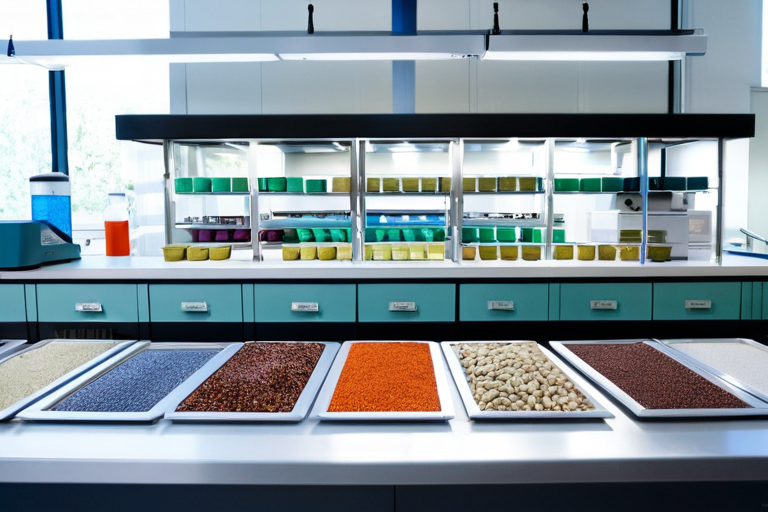
Advanced laboratories analyze how different nutrients affect pets' internal microbial communities
Behavioral Connections Revealed
Perhaps the most fascinating discoveries involve how gut bacteria influence pet behavior. Studies published in Nature Scientific Reports have identified specific bacterial strains that correlate with anxiety levels in dogs. Animals with higher concentrations of Lactobacillus and Bifidobacterium species tend to exhibit calmer temperaments and better stress resilience.
Cat behavior also shows microbial connections. Research from the International Society of Feline Medicine indicates that cats with balanced gut microbiomes display more consistent litter box habits and fewer aggression issues. "We're essentially looking at a second brain in the digestive system," explains feline behavior specialist Dr. Elena Rodriguez. "The chemicals produced by gut bacteria travel through the bloodstream and cross the blood-brain barrier, directly affecting neurological function."
Practical Applications for Pet Owners
Understanding pet microbiomes isn't just academic—it has practical implications for daily care. The PetMD veterinary resource recommends several evidence-based approaches to supporting healthy microbiomes:
- Gradual Dietary Changes: Sudden food switches can disrupt microbial balance. Transition over 7-10 days when changing diets.
- Environmental Enrichment: Regular exposure to safe outdoor environments introduces beneficial environmental microbes.
- Probiotic Supplementation: Veterinary-formulated probiotics can help restore balance after antibiotic treatments or digestive upset.
- Stress Management: Since stress affects gut health, maintaining consistent routines supports microbial stability.
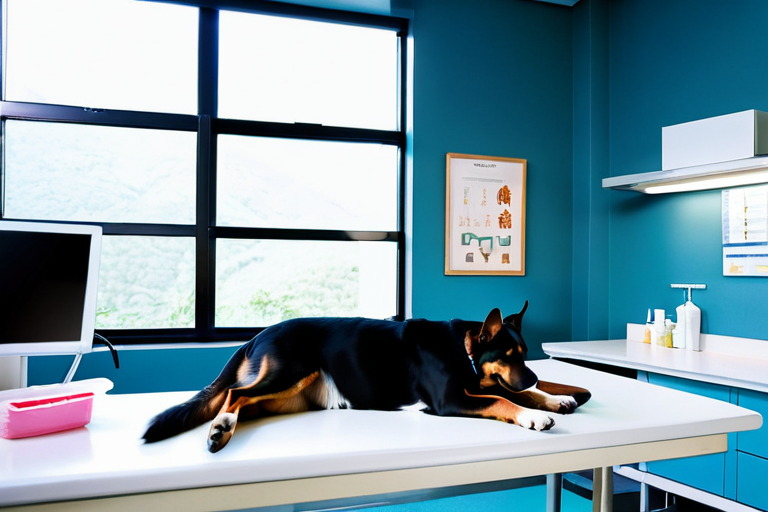
Regular veterinary checkups now often include discussions about gut health and microbial balance
Future Directions in Microbiome Research
The field of pet microbiome research continues to evolve rapidly. Scientists at the University of California, Davis's Veterinary Genetics Laboratory are developing personalized probiotic formulations based on individual animals' microbial profiles. Meanwhile, researchers at the Royal Veterinary College in London are exploring how early-life microbiome development affects lifelong health trajectories.
"We're moving toward a future where routine veterinary care includes microbiome analysis," predicts Dr. James Wilson, director of the Animal Microbiome Project. "Just as human medicine now recognizes the importance of gut health, veterinary science is developing tools to assess and optimize our pets' internal ecosystems."
Research Resources
For those interested in deeper exploration, several organizations provide ongoing research updates:
- American Veterinary Medical Association - Professional guidelines and research summaries
- AKC Canine Health Foundation - Funding and publishing microbiome studies
- Waltham Petcare Science Institute - Nutritional and microbiome research
- PetMD - Veterinary-reviewed information for pet owners
As our understanding of pet microbiomes deepens, we gain not only scientific knowledge but practical tools for enhancing our companions' lives. The invisible world within our pets continues to reveal surprising connections between diet, environment, behavior, and health—reminding us that caring for animals involves considering both what we see and what we cannot.