Exploring the Hidden World of Pet Microbiomes How Gut Health Shapes Animal Behavior and Well-being
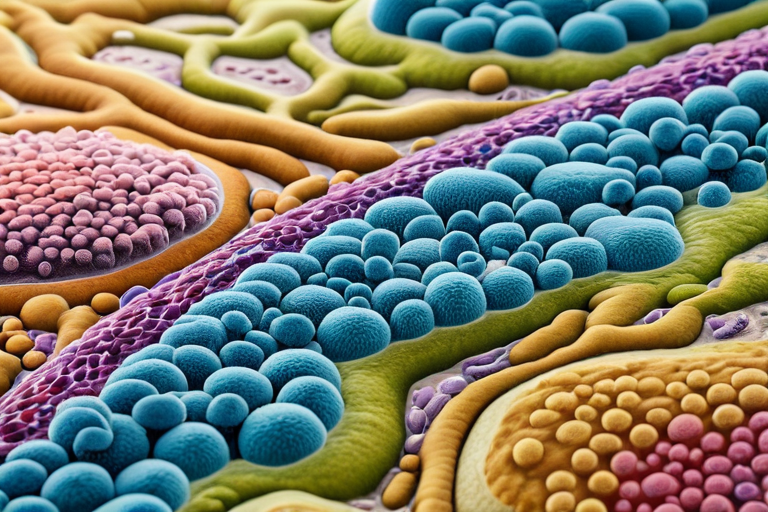
Within the intricate biological systems of our companion animals lies a universe largely invisible to the naked eye—the pet microbiome. This complex ecosystem of microorganisms inhabiting the gastrointestinal tract represents one of the most significant frontiers in veterinary science today. Recent advancements in genomic sequencing have revealed that these microscopic communities play a far more substantial role in animal health than previously imagined, influencing everything from digestion to emotional states.
The American Veterinary Medical Association notes that gastrointestinal issues rank among the top reasons for veterinary visits, with microbiome imbalances frequently at the root of these concerns. According to research published in the Journal of the American Veterinary Medical Association, the average dog's gut contains approximately 100 trillion microorganisms representing over 1,000 different species. This microbial diversity forms a delicate balance that directly impacts the animal's overall physiology.
The Gut-Brain Axis in Companion Animals
Perhaps the most groundbreaking discovery in recent years involves the bidirectional communication pathway known as the gut-brain axis. This complex network of neural, hormonal, and immunological signaling connects the enteric nervous system of the gastrointestinal tract with the central nervous system. Veterinary neurologists at institutions like the Cornell University College of Veterinary Medicine have documented how microbial metabolites can influence neurotransmitter production, potentially affecting animal behavior and emotional states.
Key Finding: Studies conducted at the University of California, Davis School of Veterinary Medicine demonstrate that specific bacterial strains in the canine gut produce neurotransmitters including serotonin, dopamine, and gamma-aminobutyric acid (GABA). These chemical messengers travel through the bloodstream and influence brain function, potentially explaining behavioral changes observed in animals with gastrointestinal disturbances.
The implications extend beyond basic physiology. Research published in Nature Scientific Reports suggests that microbiome composition may correlate with anxiety-related behaviors in dogs. Animals with reduced microbial diversity showed increased stress responses in controlled behavioral assessments, while those with robust, balanced microbiomes demonstrated greater resilience to environmental stressors.
Dietary Influences on Microbial Ecosystems
Nutrition represents the primary factor shaping the composition and function of the pet microbiome. Different dietary components selectively promote the growth of specific microbial populations, creating distinct ecological niches within the gastrointestinal tract. The World Small Animal Veterinary Association's Global Nutrition Committee emphasizes that dietary diversity supports microbial diversity, which in turn enhances digestive efficiency and immune function.
Recent investigations into commercial pet foods reveal significant variations in their impact on gut ecology. Research from the Waltham Petcare Science Institute, published in the Frontiers in Veterinary Science journal, demonstrates that different protein sources—whether animal-based, plant-based, or insect-derived—cultivate distinct microbial communities with varying metabolic capabilities. These differences extend beyond simple digestion to influence systemic inflammation, nutrient absorption, and even coat quality.
Prebiotics and probiotics have emerged as important tools for microbiome management. Unlike pharmaceutical interventions that may disrupt microbial balance, these supplements work with existing ecosystems. The International Scientific Association for Probiotics and Prebiotics has established guidelines for veterinary applications, noting that strain-specific formulations yield the most consistent results. However, experts caution against indiscriminate supplementation, as individual animals may respond differently based on their unique microbial baseline.
Microbiome Development Across the Lifespan
The pet microbiome undergoes dramatic transformations throughout an animal's life, beginning with birth. Neonates acquire their initial microbial communities from the birth canal and maternal contact, establishing foundational populations that will shape future health trajectories. Research from the University of Helsinki's Faculty of Veterinary Medicine indicates that puppies and kittens delivered via cesarean section develop distinctly different microbiomes compared to those born vaginally, with potential implications for immune development.
Weaning represents another critical transition point, as dietary shifts from milk to solid food dramatically reshape the gut environment. Studies tracking microbial succession during this period reveal rapid diversification, with certain bacterial families expanding while others contract. This developmental window presents opportunities for nutritional interventions that can establish resilient microbial communities capable of supporting lifelong health.
Senior animals face unique microbiome challenges. Age-related changes in digestive function, immune response, and mobility can alter gut ecology, sometimes leading to dysbiosis—an imbalance associated with various age-related conditions. Geriatric veterinary specialists note that maintaining microbial diversity through appropriate nutrition and lifestyle interventions may support healthy aging, potentially mitigating some common age-related health declines.
Clinical Applications and Future Directions
Veterinary medicine is increasingly incorporating microbiome science into clinical practice. Fecal microbiota transplantation (FMT), once considered experimental, has gained acceptance for treating certain gastrointestinal disorders unresponsive to conventional therapies. The American College of Veterinary Internal Medicine has developed protocols for FMT administration, emphasizing donor screening and standardized preparation methods to ensure safety and efficacy.
Emerging Technology: Next-generation sequencing platforms now enable veterinarians to analyze individual pet microbiomes with unprecedented resolution. Companies like AnimalBiome and NomNomNow offer commercial testing services that provide detailed microbial profiles, allowing for personalized nutritional recommendations based on each animal's unique gut ecology.
The therapeutic potential extends beyond gastrointestinal health. Ongoing clinical trials investigate microbiome modulation for managing conditions ranging from allergic dermatitis to behavioral disorders. Researchers at the University of Pennsylvania School of Veterinary Medicine are exploring how targeted probiotic interventions might support cognitive function in aging dogs, potentially delaying the onset of canine cognitive dysfunction syndrome.
Looking forward, the field anticipates more sophisticated interventions. Synthetic biology approaches may eventually allow for engineered microbial communities designed to perform specific functions, such as producing therapeutic compounds directly within the gut environment. Meanwhile, advances in machine learning enable more accurate predictions of how dietary changes will impact individual microbial ecosystems, moving veterinary nutrition toward truly personalized approaches.

Practical Implications for Pet Owners
For those sharing their lives with companion animals, understanding microbiome principles can inform daily care decisions. Gradual dietary transitions allow microbial communities time to adapt, reducing gastrointestinal upset. Incorporating fermented foods or veterinarian-recommended probiotics during periods of stress—such as boarding, travel, or antibiotic treatment—may help maintain microbial stability.
Environmental factors also influence gut health. Regular exercise promotes gastrointestinal motility, supporting microbial diversity. Access to safe outdoor environments exposes animals to diverse microorganisms that can enrich their internal ecosystems. Even social interactions with other animals may contribute to microbial exchange, though this remains an area of active investigation.
Perhaps most importantly, recognizing the gut-brain connection encourages a more holistic view of pet health. Behavioral changes may sometimes reflect underlying gastrointestinal issues rather than training concerns or personality traits. Veterinary behaviorists increasingly consider microbiome status when developing comprehensive treatment plans for animals with anxiety, aggression, or other behavioral challenges.
The invisible world within our pets holds remarkable power over their visible health and behavior. As research continues to unravel the complexities of these microbial ecosystems, veterinary medicine moves closer to truly integrative approaches that address the whole animal—from microscopic inhabitants to observable behaviors. This evolving understanding promises not only longer lives for our companion animals but richer, more comfortable ones as well.