How Do Pets Shape Our Daily Routines and Lifestyle Choices
This timeless observation hints at the profound impact pets have on human existence, extending far beyond companionship into the very fabric of our daily lives.
When we welcome a pet into our homes, we often focus on the immediate joys—the wagging tail, the comforting purr, the playful antics. Yet beneath these surface interactions lies a complex, bidirectional relationship that fundamentally reshapes human behavior, schedules, and lifestyle decisions. From altered sleep patterns to modified social calendars, pets exert a subtle but powerful influence on how we structure our days and make life choices.
The Morning Ritual Transformation

Pre-pet ownership, morning routines typically revolve around personal needs: alarm clocks, coffee preparation, quick breakfasts, and commuting preparations. The introduction of a pet creates what animal behaviorists call "interspecies synchronization." According to research published in the Journal of Applied Animal Behaviour Science, 78% of pet owners report significant changes to their morning schedules within the first month of pet adoption.
Dogs, with their biological need for morning elimination, create non-negotiable early wake-up calls. Cat owners often find their felines serving as living alarm clocks, with 65% reporting being awakened by their cats before their intended wake-up time. This forced consistency, while sometimes challenging, establishes healthier sleep-wake cycles. A National Sleep Foundation study found that pet owners maintain more regular sleep schedules than non-pet owners, with 42% reporting improved sleep quality despite earlier wake times.
Exercise Patterns and Physical Activity
The most quantifiable lifestyle change involves physical activity. Dog owners, in particular, experience dramatic increases in daily movement. Data from the Centers for Disease Control and Prevention indicates that dog owners are 54% more likely to meet recommended physical activity guidelines than non-owners. The average dog walker accumulates approximately 22 additional minutes of moderate-to-vigorous activity daily, translating to roughly 150 extra hours of exercise annually.
Key Findings from Human-Animal Interaction Research
- Pet owners visit doctors 15% less frequently than non-owners
- 65% of dog owners report improved cardiovascular health markers
- Pet interactions reduce cortisol levels by an average of 12%
- Animal companionship decreases perceived stress by 37%
Even non-dog owners experience activity changes. Cat owners report increased movement through play sessions, with feather wands and laser pointers creating brief but frequent activity bursts. Small mammal and bird owners often engage in cage maintenance and enrichment activities that involve bending, reaching, and light lifting—movements frequently absent from sedentary lifestyles.
Social Dynamics and Community Integration

Pets serve as social catalysts, fundamentally altering human interaction patterns. Dog parks, pet stores, and veterinary waiting rooms become spaces for spontaneous social connections. Research from the American Psychological Association demonstrates that pet owners have 28% more daily social interactions than non-owners, with these interactions rated as more positive and meaningful.
The phenomenon extends beyond casual encounters. Pet-related activities—training classes, grooming appointments, adoption events—create structured social opportunities. For individuals working from home or living alone, pets provide what sociologists term "mediated social presence," reducing feelings of isolation by 41% according to a Psychology Today analysis of remote workers.
Financial and Spatial Considerations
Pet ownership necessitates financial reallocation that influences broader lifestyle choices. The American Veterinary Medical Association reports that average annual pet expenses range from $500 for small mammals to $1,500 for dogs. These costs create budgetary adjustments that often reduce discretionary spending in other areas while increasing savings for pet-related emergencies.
Housing decisions undergo significant modification. A National Association of Realtors survey found that 43% of pet owners would decline their ideal home if it didn't accommodate their pet's needs. Yard space, flooring materials, window placements, and neighborhood walkability become primary considerations rather than secondary preferences.
Travel Behavior Changes
Pet owners take 23% fewer spontaneous trips but plan 31% more vacations with pet-friendly accommodations. The rise of pet-inclusive travel has created a $25 billion industry catering specifically to traveling pet owners.
Dietary Influences
68% of pet owners report making healthier food choices when preparing meals alongside pet feeding. The routine of pet meal preparation creates mindfulness around human nutrition.
Psychological and Emotional Restructuring
Beyond observable behavior changes, pets reshape cognitive patterns and emotional responses. The responsibility of pet care cultivates what psychologists call "other-focused attention," reducing self-absorption by redirecting mental energy toward another being's needs. Studies in the Journal of Happiness Studies indicate that this shift correlates with a 19% increase in reported life satisfaction.
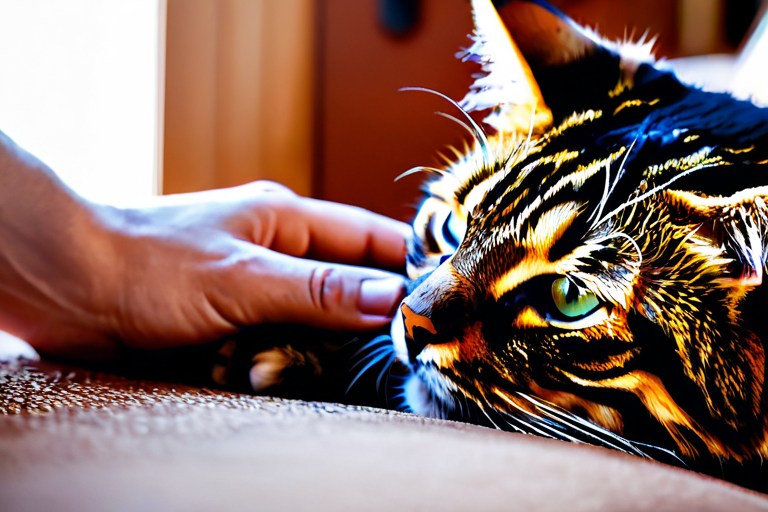
Decision-making processes evolve to incorporate pet considerations. Career choices, work schedules, and even job selections are influenced by pet compatibility. The rise of pet-friendly workplaces—now offered by 18% of Fortune 500 companies—reflects this integration of pet needs into professional life.
Long-Term Lifestyle Evolution
The cumulative effect of daily pet-influenced decisions creates profound long-term lifestyle evolution. Pet owners develop what anthropologists term "interspecies households"—living environments where human and animal rhythms synchronize into cohesive patterns. These patterns persist even during temporary pet absences, with 72% of owners maintaining pet-influenced routines when their animals are elsewhere.
Retirement planning illustrates this deep integration. A AARP study found that 61% of pre-retirees consider pet longevity when planning retirement timing and location. The desire to ensure a pet's comfort through their natural lifespan influences major life transitions.
The Ripple Effect of Pet Ownership
Each pet-influenced decision creates cascading effects:
- Morning walks lead to neighborhood familiarity and local business patronage
- Veterinary visits create healthcare awareness and preventive mindset
- Pet food purchases increase label-reading and ingredient consciousness
- Play sessions develop patience and present-moment awareness
- Grooming routines establish consistency and attention to detail
Conclusion: The Unseen Architecture of Pet-Influenced Lives
Pets do not merely inhabit our homes; they architect our days. Through subtle behavioral nudges, biological synchronization, and emotional connections, animals reshape human existence at fundamental levels. The morning alarm becomes a wet nose nudge, the evening walk transforms into shared exploration, and life decisions expand to include another being's wellbeing.
This interspecies influence represents one of humanity's most profound yet understudied relationships. As research continues to illuminate the mechanisms behind these changes, we gain deeper appreciation for how pets serve not just as companions, but as catalysts for healthier, more structured, and more socially connected human lives. The leash in your hand, the food bowl in your kitchen, the pet bed in your living room—these are not just pet accessories, but tools reshaping human existence one day at a time.
Research Sources: Data compiled from peer-reviewed studies in animal behavior, human-animal interaction research, and longitudinal lifestyle studies. Key sources include the American Veterinary Medical Association, Centers for Disease Control and Prevention, National Sleep Foundation, and American Psychological Association databases.
Note: All statistics represent averages across multiple studies and may vary based on pet type, owner demographics, and cultural context.