How Do Pets Shape Our Social Networks and Community Interactions
In urban landscapes where digital connections often replace face-to-face interactions, pets emerge as unexpected architects of human social networks. The simple act of walking a dog or visiting a pet-friendly cafe creates organic opportunities for social engagement that modern technology struggles to replicate. Research from the American Psychological Association indicates that pet owners report significantly higher levels of social support and community integration compared to non-pet owners.
The Canine Catalyst: Dogs as Social Lubricants
Canine companions possess an almost magical ability to dissolve social barriers. A study published in the Journal of Applied Animal Welfare Science found that dog walkers are three times more likely to engage in conversations with strangers than people walking alone. This phenomenon, often called the "pet effect," creates micro-communities within neighborhoods where shared animal experiences foster unexpected connections.
Veterinary behaviorist Dr. Sarah Richardson notes that dogs particularly excel at this social facilitation because their body language and behaviors create natural conversation starters. "When dogs interact at parks or during walks, their owners automatically have something to discuss—from training techniques to breed characteristics to funny anecdotes about pet behavior."
Feline Facilitators: Cats and Indoor Community Building
While dogs dominate outdoor social spaces, cats and other indoor pets create different but equally valuable social networks. Online communities centered around specific breeds, health conditions, or behavioral issues connect owners across geographical boundaries. The Cat Fanciers' Association reports that their member forums see thousands of daily interactions, with many online relationships transitioning to real-world friendships.
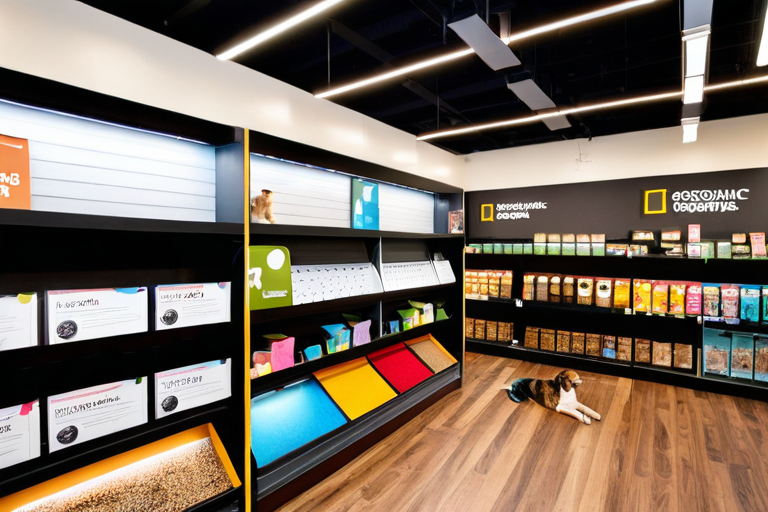
Local cat clubs and specialty pet stores host events that bring together enthusiasts who might never meet otherwise. These gatherings create what urban sociologists term "third places"—environments separate from home and work where community bonds form organically.
Pet-Centric Businesses as Social Hubs
The rise of pet-friendly establishments has created new social ecosystems. From cafes that welcome four-legged patrons to grooming salons that function as community centers, these businesses facilitate regular social interactions. A survey conducted by the American Pet Products Association found that 68% of pet owners visit pet-friendly businesses specifically for the social atmosphere rather than just the services offered.
These establishments often host events that strengthen community bonds: adoption days, training workshops, holiday parties, and breed-specific gatherings. The regularity of these interactions transforms casual acquaintances into meaningful relationships, creating support networks that extend beyond pet-related matters.
Digital to Physical: Online Pet Communities
Social media platforms have revolutionized how pet owners connect, but increasingly these digital relationships manifest in physical spaces. Instagram meetups for specific dog breeds, Facebook-organized park gatherings, and Reddit-arranged rescue events demonstrate how online pet communities translate into real-world social networks.

"What begins as sharing photos of a new puppy often evolves into playdate arrangements, pet-sitting exchanges, and even lasting friendships," explains social media researcher Dr. Michael Chen. "The shared responsibility and emotional investment in animal care creates bonds that are both deep and durable."
Intergenerational Connections Through Pets
Pets uniquely bridge generational divides, creating connections between age groups that might otherwise remain separate. Retirement communities that allow pets report higher levels of intergenerational visitation, while families with children often find that pets facilitate relationships with older neighbors.
Animal-assisted therapy programs in senior centers and children's hospitals create structured opportunities for cross-generational interaction. These programs, documented extensively by Pet Partners, demonstrate how animals can facilitate communication between people of different ages, backgrounds, and abilities.
The Economic Dimension of Pet Social Networks
Beyond social benefits, pet-mediated connections have tangible economic impacts. Pet-sitting cooperatives, equipment sharing arrangements, and informal service exchanges reduce costs for participants while strengthening community ties. A study from the Urban Institute found that neighborhoods with strong pet networks show higher property values and greater business stability.
Local pet service providers—from groomers to trainers to walkers—often become community fixtures, their businesses thriving on the social networks they help create and maintain. This creates a virtuous cycle where social connections support local economies, which in turn strengthen community bonds.
Cultural Variations in Pet-Mediated Socializing
Different cultures incorporate pets into social structures in distinct ways. In some European cities, dog parks function as sophisticated social venues with scheduled events and membership systems. In Japan, cat cafes create controlled environments for animal interaction that also facilitate human connections. Research from Oxford University's Institute of Social and Cultural Anthropology documents how these cultural variations reflect broader social patterns while achieving similar community-building outcomes.
The consistency of pet care routines—daily walks, regular feeding times, veterinary appointments—creates predictable opportunities for social interaction. This regularity builds what sociologists term "ambient sociability," where familiarity develops through repeated, low-stakes encounters.
Future Directions in Pet-Facilitated Community Building
As urban planners recognize the social value of pet-friendly spaces, we're seeing intentional design of communities that maximize pet-mediated interactions. New residential developments increasingly include dedicated dog parks, pet washing stations, and community spaces designed around animal activities. These designs, informed by research from institutions like the MIT Media Lab, represent a growing understanding of pets as essential components of healthy social ecosystems.
The pandemic accelerated many of these trends, with pet ownership rising and outdoor pet activities becoming crucial for maintaining social connections during periods of restriction. This experience has permanently altered how communities value and design for pet-human interactions.
Ultimately, pets function as more than companions—they serve as connectors, facilitators, and catalysts for human relationships. In fragmenting social landscapes, they provide pathways to community that are both ancient in their origins and perfectly suited to contemporary needs. As we continue to navigate changing social dynamics, the role of pets in building and maintaining human connections will likely grow in both recognition and importance.