The Surprising Link Between Pets and Living Longer
For decades, anecdotal evidence has suggested that pet owners enjoy better health and vitality. But recent rigorous scientific studies are now confirming what many have long suspected: having a furry companion may actually help you live longer. From reduced stress hormones to increased physical activity, the mechanisms are multifaceted and deeply rooted in our evolutionary history.
One landmark study published in the American Heart Association's journal Circulation: Cardiovascular Quality and Outcomes analyzed data from over 3.8 million people across multiple countries. The researchers found that dog owners had a 24% lower risk of all-cause mortality compared to non-owners. Even more striking, those with dogs had a 31% reduced risk of death from cardiovascular-related events. The study controlled for factors like age, sex, and pre-existing conditions, strengthening the causal link.
The Cardiovascular Connection
Heart disease remains the leading cause of death globally. Pet ownership, particularly dog ownership, appears to counteract several risk factors. A meta-analysis in Scientific Reports showed that pet owners had lower blood pressure and cholesterol levels. The effect was attributed to the routine of walking a dog, which increases daily step count by an average of 2,000–3,000 steps. Moreover, the calming presence of a pet reduces sympathetic nervous system activity, lowering resting heart rate.
Another 2019 study from the Journal of the American Heart Association monitored dog owners with previous heart attacks or strokes. Those who owned a dog had a 33% lower risk of death during the follow-up period compared to non-owners. The researchers hypothesize that the social support and companionship provided by dogs buffer against the psychological stress that exacerbates heart conditions.
Stress Reduction and Hormonal Balance
Interacting with pets triggers the release of oxytocin, the "bonding hormone," while suppressing cortisol, the primary stress hormone. A controlled experiment at the University of Konstanz found that just 10 minutes of stroking a dog reduced salivary cortisol levels significantly more than reading a book. Chronic stress is a known accelerator of aging, linked to telomere shortening and inflammation. By mitigating stress, pets may directly slow the biological aging process.
Encouraging Physical Activity
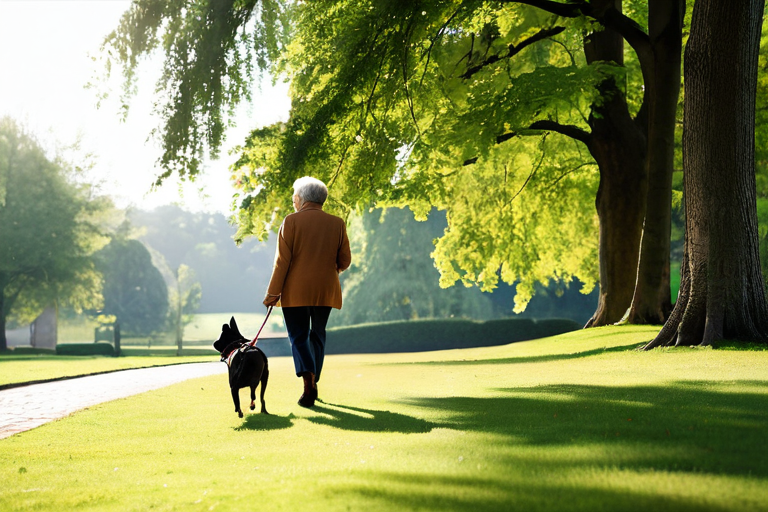
Perhaps the most tangible benefit is increased physical activity. The Centers for Disease Control and Prevention (CDC) notes that dog owners are more likely to meet recommended physical activity guidelines. Regular walking reduces the risk of obesity, diabetes, and osteoporosis. For older adults, maintaining mobility is critical for longevity. A study in the Gerontologist found that seniors who walked their dogs had better balance and fewer falls than those who did not.
Social Support and Loneliness Reduction
Loneliness is a public health crisis linked to a 50% increased risk of premature death. Pets serve as social catalysts, facilitating interactions with other people – a phenomenon known as the "pet effect." A survey by the Human Animal Bond Research Institute found that 80% of pet owners reported reduced loneliness. For elderly individuals living alone, a pet provides a consistent source of nonjudgmental companionship, reducing the risk of depression and boosting immune function.
Gut Microbiome and Inflammation
Emerging research suggests that pets may influence the human gut microbiome. Dogs, for instance, bring outdoor bacteria into the home, which can diversify the owner's microbiome. A study in Microbiome found that infants living with dogs had lower rates of allergic sensitization and a more robust gut microbiota. A diverse microbiome is associated with reduced chronic inflammation, a key driver of aging.
Limitations and Considerations
While the evidence strongly suggests a longevity benefit, correlation does not equal causation. People who choose to own pets may already be healthier or more active. However, large-scale longitudinal studies that control for baseline health still find a residual benefit. Additionally, the type of pet matters: dogs require more exercise, which may confer greater cardiovascular advantages, while cats or fish may offer more subtle psychological benefits.
Ultimately, bringing a pet into your life is a profound decision that carries responsibilities. But for those able to care for an animal, the potential for a longer, healthier life is an inspiring bonus. As the World Health Organization emphasizes, healthy aging involves physical, mental, and social well-being – all areas where pets can make a measurable difference.
Sources: American Heart Association, Nature Scientific Reports, Journal of the American Heart Association, University of Konstanz, CDC, The Gerontologist, Human Animal Bond Research Institute, Microbiome Journal, World Health Organization.