How Pets Alleviate Anxiety and Depression in Humans
In recent years, the role of pets in mental health has gained significant attention from researchers and clinicians alike. Studies consistently show that owning a pet—whether a dog, cat, or even a smaller companion—can reduce symptoms of anxiety and depression. This article explores the scientific mechanisms behind this phenomenon, supported by evidence from reputable sources, and provides insights into how you can leverage the human-animal bond for better mental well-being.
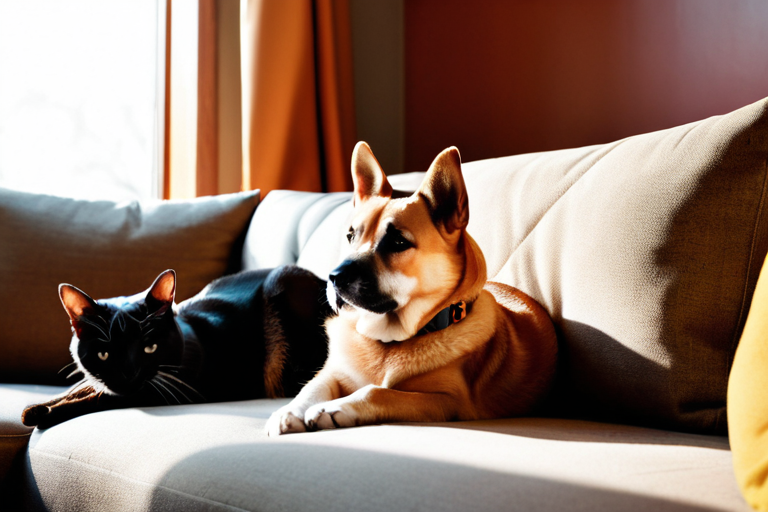
The Science Behind the Bond
Multiple studies have documented that interacting with pets lowers levels of cortisol, a stress hormone, and increases oxytocin, often called the 'bonding hormone.' According to a study published in American Psychological Association, pet owners exhibit lower blood pressure and heart rate during stressful tasks compared to non-owners. Furthermore, a 2019 meta-analysis in BMC Psychiatry found that pet ownership is associated with reduced depression scores, particularly in older adults.
The mechanism is multifaceted. Pets provide unconditional positive regard, which can counteract feelings of worthlessness common in depression. They also encourage routine and physical activity, both of which are known to improve mood. For instance, a study from Centers for Disease Control and Prevention notes that dog owners are more likely to meet daily exercise recommendations, which directly benefits mental health.
Pets as Social Catalysts
Anxiety and depression often lead to social isolation. Pets can serve as 'social lubricants,' facilitating interactions with others. A poll by Psychology Today indicates that 60% of dog owners report making friends through their pets. This social support network can buffer against the effects of stress and loneliness, key drivers of anxiety disorders.
Practical Implications for Therapy
Animal-assisted therapy (AAT) is increasingly integrated into treatment plans for anxiety and depression. Organizations like GoodTherapy highlight how trained therapy animals help individuals regulate emotions. Even without formal therapy, simply petting a dog or cat can trigger a relaxation response, as shown in EEG studies from Frontiers in Psychology.
However, it's important to note that pet ownership is not a substitute for professional care. For severe depression or anxiety, consult a licensed therapist. But as a complementary approach, pets offer a low-cost, accessible intervention that can significantly improve quality of life.
Choosing the Right Pet
Different pets suit different lifestyles. Dogs require more time and exercise, which can be therapeutic for those with depression, while cats provide quieter companionship for anxiety sufferers. Small animals like rabbits or guinea pigs can also reduce stress, as per research from International Journal of Environmental Research and Public Health. Always consider your capacity for care before adopting.
In conclusion, the evidence is clear: pets can play a vital role in alleviating symptoms of anxiety and depression. By understanding the science and leveraging the human-animal bond, individuals can take meaningful steps toward better mental health.