The Unseen Impact of Pet Ownership on Modern Urban Ecosystems
Exploring How Companion Animals Reshape City Life and Human Behavior Patterns
The Urban Pet Phenomenon
In contemporary metropolitan environments, the presence of companion animals has evolved beyond mere household additions to become integral components of urban ecosystems. Research from the American Veterinary Medical Association indicates that over 67% of U.S. households now include at least one pet, with urban areas showing particularly rapid growth in pet ownership rates.
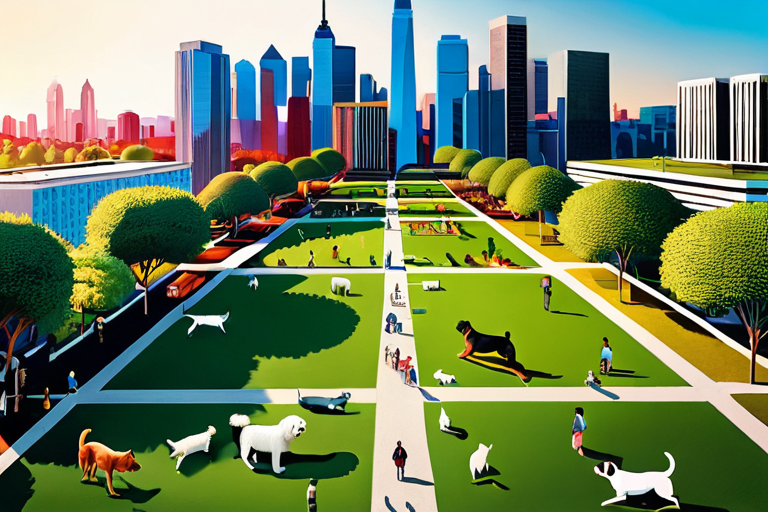
Companion animals have become ubiquitous in modern city landscapes
This proliferation of pets in cities has created what urban sociologists term "pet-mediated social networks" – complex webs of interaction that extend far beyond traditional human social structures. According to a comprehensive study published in the Social Science & Medicine journal, pet owners in urban environments are 40% more likely to engage in regular social interactions with neighbors compared to non-pet owners.
Architectural and Urban Design Adaptations
The influence of pets on urban infrastructure has become increasingly apparent in recent architectural trends. Modern residential developments now routinely incorporate pet-specific amenities, reflecting a fundamental shift in how urban spaces are conceived and utilized.
Key Finding: A survey conducted by the Architectural Record reveals that 78% of new urban residential projects include dedicated pet facilities, ranging from indoor pet washing stations to rooftop dog parks and specialized ventilation systems for pet odors.
This architectural evolution extends beyond residential spaces. Urban planners at the American Planning Association report that public parks and recreational areas are increasingly designed with dual functionality – serving both human and animal needs simultaneously. The concept of "pet-inclusive urban design" has emerged as a distinct specialization within urban planning disciplines.
Economic Implications and Market Transformations
The economic footprint of urban pet ownership has expanded dramatically, creating entirely new market sectors and transforming existing ones. Data from the American Pet Products Association indicates that the pet industry now represents a $136.8 billion market in the United States alone, with urban areas accounting for approximately 65% of this expenditure.
This economic transformation extends beyond traditional pet-related businesses. Real estate markets have adapted significantly, with properties featuring pet-friendly amenities commanding premium prices. According to research from the National Association of Realtors, apartments and condominiums with dedicated pet facilities experience 23% faster leasing rates and command 12% higher rental prices in competitive urban markets.
Social Dynamics and Community Building
Perhaps the most profound impact of urban pet ownership lies in its ability to reshape social dynamics and community structures. Pets serve as social catalysts, breaking down barriers that often characterize urban anonymity.
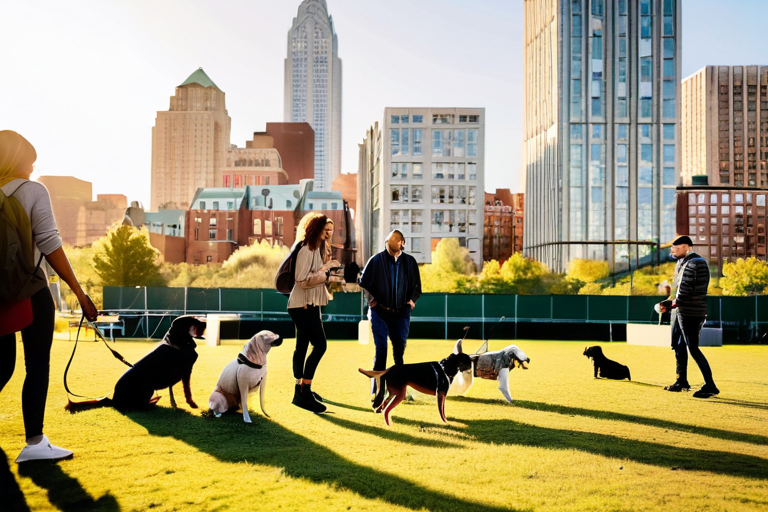
Pets facilitate social connections in otherwise impersonal urban environments
A longitudinal study from the Urban Institute followed urban residents over five years and found that pet owners developed significantly larger and more diverse social networks. These networks extended beyond typical demographic boundaries, creating what researchers describe as "cross-demographic social bridges" – connections between individuals who might otherwise have minimal interaction.
The phenomenon of "pet-mediated socialization" has particular significance in high-density urban environments where traditional community-building mechanisms may be less effective. Dog parks, pet-friendly cafes, and veterinary waiting rooms have evolved into important social spaces where urban residents form connections that extend beyond their immediate pet-related interactions.
Environmental Considerations and Sustainability
The environmental impact of urban pet populations has emerged as a significant consideration for sustainable city planning. While pets contribute to waste management challenges, they also play unexpected roles in urban ecology.
Environmental Insight: Research from the Environmental Protection Agency suggests that well-managed urban pet populations can contribute positively to local ecosystems through waste management innovations and the creation of green spaces that benefit both human and animal residents.
Innovative approaches to pet-related environmental challenges are emerging in forward-thinking cities. These include community composting programs for pet waste, the development of biodegradable pet products, and the integration of pet facilities into broader urban sustainability initiatives. The Smart Cities Council now includes pet management as a distinct category in its urban planning guidelines, recognizing the importance of addressing pet-related environmental impacts systematically.
Future Trends and Urban Evolution
As urban populations continue to grow and evolve, the role of pets in city life is likely to become even more significant. Emerging trends suggest several directions for future development.
Technological integration represents one major frontier. Smart pet products, from GPS-enabled collars to automated feeding systems, are becoming increasingly sophisticated. According to market analysis from Gartner Research, the market for pet technology products is projected to grow by 28% annually over the next five years, with urban areas driving the majority of this growth.
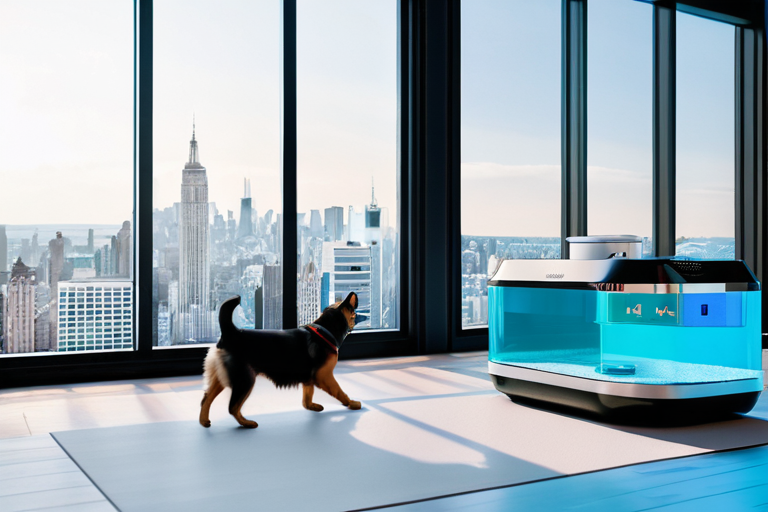
Emerging technologies are transforming how urban residents care for their pets
Urban planning is also evolving to accommodate changing pet ownership patterns. Concepts like "vertical pet communities" in high-rise buildings and "pet transit corridors" connecting residential areas to green spaces are being explored in major metropolitan areas. The International Telecommunication Union has even begun developing standards for pet-related IoT devices, recognizing their growing importance in urban infrastructure.
The Integrated Urban Future
The relationship between urban environments and pet ownership has evolved into a complex, multifaceted dynamic that touches nearly every aspect of city life. From architectural design to social structures, economic markets to environmental planning, pets have become integral components of the urban ecosystem. As cities continue to grow and change, understanding and accommodating this relationship will be crucial for creating livable, sustainable urban environments that work for all residents – both human and animal.
The urban pet phenomenon represents not just a lifestyle choice, but a fundamental reshaping of how we conceive of and inhabit our cities.