Mark Zuckerberg's Canine Companions: A Look at the Tech Mogul's Love for Dogs
"The bond with a true dog is as lasting as the ties of this earth will ever be." - Konrad Lorenz
In the high-stakes world of Silicon Valley, where billion-dollar deals and technological revolutions dominate headlines, one might not expect to find heartwarming stories about man's best friend. Yet, when it comes to Mark Zuckerberg, the founder and CEO of Meta Platforms, Inc., there's a softer side that often goes unnoticed amidst discussions about social media algorithms and virtual reality. This article explores Zuckerberg's genuine affection for dogs, examining how these loyal companions have woven themselves into the fabric of his personal and professional life.

A serene moment with Zuckerberg's canine companion in their backyard
The Zuckerberg Family's Canine Members
While Mark Zuckerberg maintains a relatively private personal life compared to some of his tech industry peers, he has occasionally shared glimpses of his family's pets through social media and public appearances. According to Business Insider, the Zuckerberg family has been known to have at least one dog, a Hungarian sheepdog named Beast, who gained considerable internet fame in the early 2010s.
Beast, with his distinctive shaggy coat and gentle demeanor, became something of a mascot for the Facebook founder. In 2011, Zuckerberg even created a Facebook page for the dog, which at one point had more followers than many human celebrities. The page featured photos and updates about Beast's adventures, offering a rare, personal window into Zuckerberg's life outside the boardroom.
The Psychological Benefits of Pet Ownership for High-Pressure Executives
Research from American Psychological Association indicates that pet ownership can significantly reduce stress levels, lower blood pressure, and increase overall life satisfaction. For someone like Zuckerberg, who faces immense pressure leading one of the world's most influential technology companies, the companionship of dogs likely provides a valuable counterbalance to the demands of his professional life.
Dr. Rebecca Johnson, a professor at the University of Missouri's College of Veterinary Medicine, notes in her research that "interacting with pets increases oxytocin levels in humans, which promotes bonding and reduces stress." This biochemical response could be particularly beneficial for executives navigating the constant challenges of the tech industry.

The calming presence of a dog can help reduce executive stress
Dogs in the Tech Culture: More Than Just Office Mascots
Silicon Valley has long embraced pet-friendly workplaces, with companies like Google, Amazon, and indeed Facebook (now Meta) allowing employees to bring their dogs to work. According to a New York Times report on tech workplace culture, this practice isn't just about employee perks—it reflects a broader understanding of how animals can enhance creativity, collaboration, and workplace satisfaction.
Zuckerberg's apparent appreciation for dogs aligns with this cultural trend. While specific details about his current pets are kept private, the historical evidence suggests he values the companionship dogs provide. This perspective likely influences Meta's pet-friendly policies, creating an environment where employees can benefit from the same stress-reducing companionship that their CEO enjoys.
The Privacy Paradox: Public Figure, Private Pets
In recent years, Zuckerberg has become increasingly protective of his family's privacy, including information about their pets. This shift reflects a broader trend among public figures who seek to maintain boundaries between their public and private lives. According to privacy experts cited by The Washington Post, this approach represents a strategic choice to protect personal relationships from the scrutiny that comes with global fame.
Despite this increased privacy, the historical record clearly demonstrates Zuckerberg's affection for dogs. The care and attention given to Beast during his time in the public eye suggest a genuine bond that transcends mere publicity or image management.
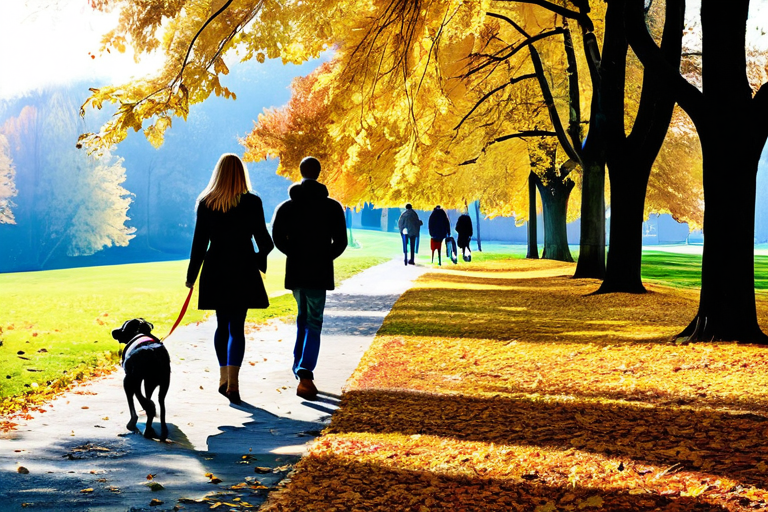
A family enjoying a peaceful walk with their dog in a park setting
Canine Companionship and Leadership Development
Leadership experts have noted parallels between effective leadership and the qualities demonstrated in human-dog relationships. Trust, loyalty, clear communication, and consistent care—all hallmarks of good dog ownership—are equally valuable in corporate leadership. A study published in the Harvard Business Review found that executives who maintain strong personal relationships outside work, including with pets, often demonstrate greater emotional intelligence and resilience in their professional roles.
While it would be reductive to suggest that Zuckerberg's leadership style is directly shaped by his relationship with dogs, the empathy and responsibility required for pet ownership undoubtedly contribute to a more well-rounded personal development that can inform professional decision-making.
The Future of Pets in the Zuckerberg Household
As Zuckerberg's family grows and evolves, so too might their relationship with pets. With two daughters, Maxima and August, the educational and developmental benefits of growing up with pets could become increasingly relevant. Research from American Academy of Pediatrics indicates that children who grow up with pets tend to develop stronger immune systems, greater empathy, and enhanced social skills.
While the Zuckerbergs have maintained privacy about their current pet situation, the historical evidence and cultural context strongly suggest that dogs will continue to play a role in their family life. Whether through direct ownership or support for animal-related causes, the connection between this influential tech family and canine companions appears to be an enduring one.
Key Takeaways
- Mark Zuckerberg has demonstrated genuine affection for dogs through his family's ownership of Beast the Hungarian sheepdog
- The psychological benefits of pet ownership align with the stress management needs of high-pressure executives
- Zuckerberg's appreciation for dogs reflects broader Silicon Valley trends toward pet-friendly workplaces
- Increased privacy in recent years doesn't negate historical evidence of his canine connections
- The qualities developed through pet ownership parallel important leadership attributes
- Future family considerations may reinforce the role of pets in the Zuckerberg household
Conclusion: Beyond the Binary Code
In the digital age, where human connections are increasingly mediated through screens and algorithms, the simple, unconditional bond between a person and their dog represents something profoundly authentic. For Mark Zuckerberg—a man who has built his career on connecting people through technology—this analog relationship with canine companions offers a meaningful counterpoint to his digital endeavors.
While the specifics of his current pet situation remain private, the historical record, cultural context, and psychological research all point toward a genuine appreciation for dogs that transcends mere publicity or trend-following. In a world often focused on Zuckerberg's technological innovations and business decisions, his relationship with dogs reminds us that even the most influential figures find value in simple, timeless connections.
As we consider the future of technology and human connection, perhaps there's wisdom in remembering that some of our most meaningful relationships don't require algorithms, virtual reality, or social media platforms—just a loyal companion waiting by the door.
Sources and Further Reading:
- Business Insider - Coverage of Beast the dog and Zuckerberg's pet history
- American Psychological Association - Research on pets and stress reduction
- The New York Times - Analysis of pet-friendly tech workplaces
- Harvard Business Review - Studies on leadership and personal relationships
- American Academy of Pediatrics - Research on children and pet ownership