Pet-Friendly Ice Melt: A Winter Safety Guide for Pet Owners
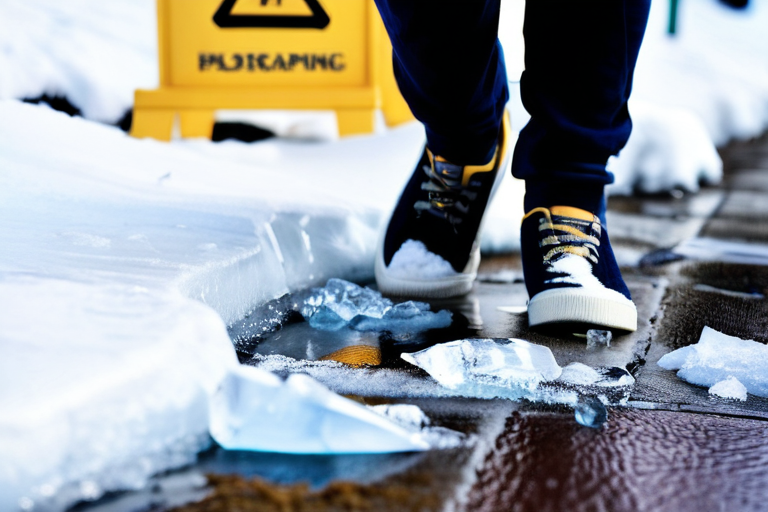
Winter brings picturesque snowscapes but also treacherous icy surfaces. For pet owners, choosing the right ice melt isn't just about convenience—it's about protecting our furry companions from chemical burns, poisoning, and environmental hazards. This comprehensive guide explores why pet-safe ice melts matter and how to make informed choices.
The Hidden Dangers of Traditional Ice Melts
Conventional ice melts often contain chemicals that pose serious risks to pets. According to the ASPCA Animal Poison Control Center, common ice melt ingredients like calcium chloride, sodium chloride, and magnesium chloride can cause:
- Paw irritation and chemical burns: Salt crystals can become lodged between toes, causing painful abrasions
- Gastrointestinal distress: When pets lick their paws, they ingest these chemicals
- Kidney damage: With prolonged exposure or ingestion
- Environmental contamination: Runoff affects soil and water quality
The EPA Safer Choice program notes that traditional ice melts contribute to soil salinity and can damage concrete surfaces over time, creating additional hazards for pets and humans alike.
What Makes an Ice Melt Pet-Safe?
Safe Active Ingredients
Pet-friendly ice melts use alternative compounds that are less irritating and toxic. The most common safe ingredients include:
- Urea: A nitrogen-based compound that's less irritating to paws
- Calcium magnesium acetate (CMA): Considered one of the safest options by environmental agencies
- Potassium acetate: Effective at lower temperatures with minimal pet risk
- Beet juice derivatives: Natural alternatives that lower freezing points
The Consumer Reports testing has shown that products containing these ingredients perform nearly as well as traditional salts while being significantly safer.
Certifications to Look For
When shopping for pet-safe ice melt, several certifications indicate safer products:
- EPA Safer Choice Label: Indicates the product meets strict environmental and health criteria
- UL ECOLOGO Certification: Environmental standard for reduced ecological impact
- Pet Safety Testing
According to the Humane Society's guidelines, products labeled "pet-safe" or "paw-friendly" should list all ingredients and provide safety data.
Top Pet-Safe Ice Melt Products Reviewed
| Product | Active Ingredients | Temperature Range | Pet Safety Features |
|---|---|---|---|
| Safe Paw Ice Melter | Glycol, modified carbonyl diamide | Down to -2°F (-19°C) | Salt-free, non-toxic, won't damage concrete |
| Natural Rapport Pet-Safe Ice Melt | Magnesium chloride hexahydrate | Down to -13°F (-25°C) | Enhanced with traction agents, biodegradable |
| Snow Joe Melt-2-Go | Calcium magnesium acetate (CMA) | Down to -15°F (-26°C) | EPA Safer Choice certified, non-corrosive |
Data compiled from manufacturer specifications and EPA Safer Choice database. Always check current product formulations as ingredients may change.
Proper Application and Safety Practices
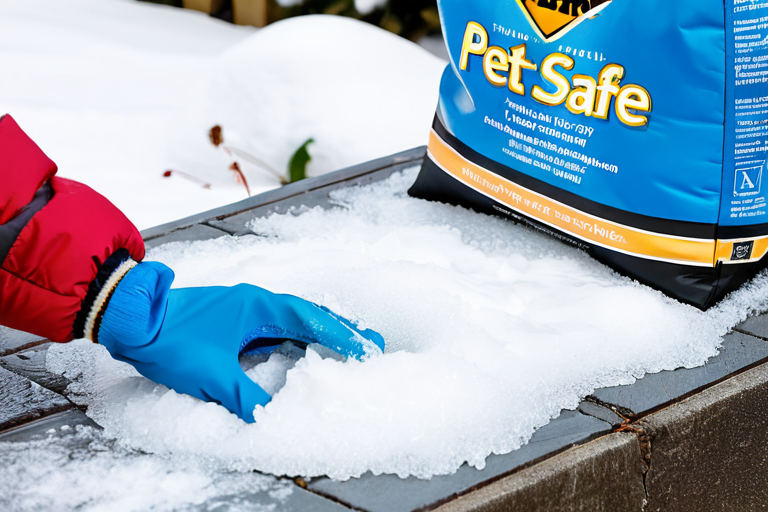
Even pet-safe ice melts require careful application. Follow these guidelines from winter safety experts:
- Apply sparingly: Most products work with 2-4 ounces per square yard
- Pre-treat before storms: Applying before snowfall prevents ice bonding
- Focus on high-traffic areas: Sidewalks, steps, and driveways where pets walk
- Wipe paws after walks: Remove any residual melt to prevent ingestion
- Store securely: Keep all ice melt products away from pets and children
The American Veterinary Medical Association recommends using pet-safe ice melts as part of a comprehensive winter safety plan that includes protective paw wax or booties for extreme conditions.
Emergency Response: If Your Pet is Exposed
Despite precautions, accidents happen. If you suspect your pet has ingested or had significant contact with ice melt:
- Rinse immediately: Use lukewarm water to wash paws or affected areas
- Prevent ingestion: Use an Elizabethan collar if your pet is licking contaminated paws
- Contact your veterinarian: Describe the product and symptoms
- Call poison control: ASPCA Animal Poison Control at (888) 426-4435
Symptoms requiring immediate veterinary attention include excessive drooling, vomiting, diarrhea, lethargy, or paw redness/swelling.
Environmental Considerations Beyond Pet Safety
Eco-Friendly Alternatives
Some pet owners prefer completely natural approaches. While less effective in extreme cold, these options work for mild conditions:
- Sand or non-clumping kitty litter: Provides traction without chemicals
- Wood ash from fireplaces: Contains potassium salts that melt ice at warmer temperatures
- Beet juice solutions: Commercial products use beet byproducts to lower freezing points
- Coffee grounds: Provide traction and gradually melt thin ice layers
The EPA Green Chemistry program encourages development of biodegradable ice melt alternatives that minimize environmental impact.
Long-Term Surface Protection
Pet-safe ice melts often benefit your property too. Compared to traditional salts:
- Less concrete damage: Salt-free formulas don't cause spalling or scaling
- Reduced metal corrosion: Important for vehicles and outdoor fixtures
- Better plant compatibility: Won't kill grass or shrubs along treated areas
- Lower water contamination risk: Biodegradable options break down naturally
A study cited by the American Concrete Institute found that CMA-based ice melts cause 75% less damage to concrete than calcium chloride alternatives.
Making the Switch: A Winter Checklist
✓ Research pet-safe products before winter arrives
✓ Check for EPA Safer Choice or similar certifications
✓ Purchase enough for the entire season
✓ Store properly in sealed, labeled containers
✓ Train family members on proper application
✓ Have emergency contact numbers readily available
Conclusion: Safety First in Winter Weather
Choosing pet-friendly ice melt represents more than just a purchasing decision—it's a commitment to responsible pet ownership and environmental stewardship. While no product is 100% risk-free, modern pet-safe formulations offer effective ice control with dramatically reduced hazards. By selecting certified products, applying them correctly, and maintaining good winter safety practices, you can protect your pets, your property, and the environment simultaneously.
Remember that ice melt is just one component of winter pet safety. Regular paw checks, appropriate outdoor time limits in extreme cold, and proper hydration remain essential for keeping pets healthy throughout the winter months.
Additional Resources
- AVMA Pet Care Resources - Comprehensive pet health information
- EPA Safer Product Finder - Database of certified safer products
- Humane Society Animal Care Resources - Pet safety guidelines