Should You Get Pet Insurance for Your Dog or Cat
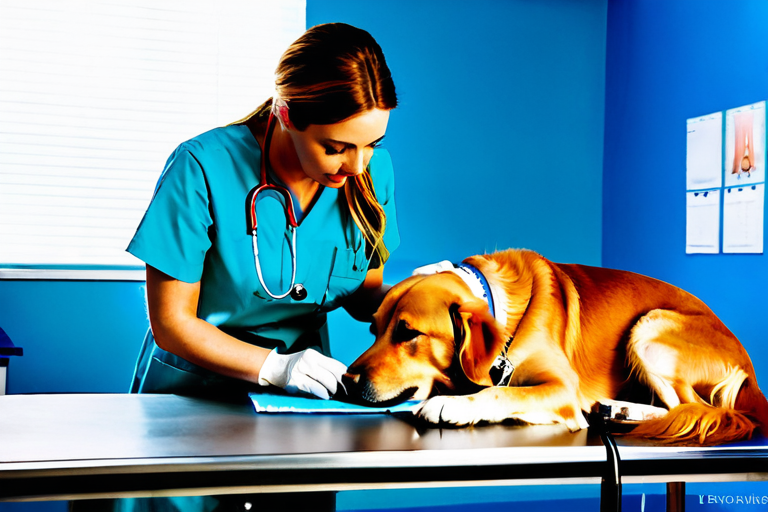
Veterinary care has evolved significantly over the past decade. Today, your pet can receive treatments once reserved only for humans—including advanced surgeries, chemotherapy, and even stem cell therapy. But these medical advances come with a steep price tag. A single emergency visit or a chronic condition can easily rack up bills in the thousands of dollars. That’s where pet insurance enters the picture. Yet many pet owners remain uncertain: is it really worth the cost?
This article examines the financial and emotional considerations of pet health insurance, drawing on data from the North American Pet Health Insurance Association (NAPHIA), the American Veterinary Medical Association (AVMA), and other reputable sources to help you make an informed decision.
The Rising Cost of Veterinary Care
According to the AVMA’s most recent Pet Ownership & Demographics Sourcebook, U.S. pet owners spent an estimated $38.3 billion on veterinary care and product sales in 2023. The cost of routine checkups alone has climbed, but the real financial shock comes from emergencies. A single foreign body ingestion surgery for a dog can cost between $3,000 and $5,000. Treatment for cancer, such as a feline lymphoma protocol, easily exceeds $6,000. These numbers force many owners into impossible choices.
NAPHIA’s 2024 State of the Industry Report shows that the average annual premium for an accident and illness policy was about $676 for dogs and $383 for cats. While this is a regular expense, it can pale in comparison to a single unexpected vet bill. Understanding what pet insurance typically covers—and what it doesn’t—is crucial before you sign up.
How Pet Insurance Works
Unlike human health insurance, most pet insurance operates on a reimbursement model. You pay the veterinarian upfront, submit a claim, and then the insurance company reimburses you a percentage of the covered costs—typically 70%, 80%, or 90%, depending on your plan. There is usually an annual deductible, which can be per-incident or annual, and an annual maximum payout limit.
Most policies fall into three broad categories:
- Accident-Only: Covers injuries from accidents such as broken bones, cuts, or poisoning. Premiums are lower, but it does not cover illnesses.
- Accident & Illness: The most common type—covers both accidents and a wide range of illnesses, including cancer, infections, and hereditary conditions. This is what most pet owners consider.
- Wellness Plans: Often an add-on that covers routine care like vaccinations, dental cleanings, and flea prevention. These are not true insurance, but budgeting tools.
Before buying a policy, review the fine print. Pre-existing conditions are universally excluded. Some breeds have specific exclusions (e.g., hip dysplasia in larger dogs may require a rider). Waiting periods, usually 14 days for illness, also apply.
What Does the Data Say About Pet Insurance Usage
According to NAPHIA, approximately 6 million pets were insured in the United States and Canada at the end of 2023, representing a double-digit growth rate year-over-year. Yet that still means only a fraction of the estimated 180 million dogs and cats in North America are covered. Why the hesitation? Cost perception is a major factor. Many owners believe they will never need it, or that the premiums outweigh the benefits.
However, a survey by the Humane Society of the United States found that 42% of pet owners who did not have insurance regretted it when faced with an unexpected veterinary expense. The same survey noted that 31% of owners would have to borrow money or use credit cards to cover a $1,000 vet bill. Insurance can transform an unmanageable emergency into a manageable copay.
Case Study: An Emergency Room Visit
Consider a real-life scenario shared by Dr. Sarah Johnson, a veterinary emergency specialist based in Colorado. A 5-year-old Labrador Retriever named Max ingested a sock, causing an intestinal blockage. The emergency surgery, hospitalization, and follow-up care totaled $4,200. Max’s owners had a policy with an 80% reimbursement rate after a $500 deductible, so they paid the deductible and 20% of the covered costs, or $840 out-of-pocket. Without insurance, the full amount would have been due immediately.
The financial protection afforded by insurance allowed the family to focus on Max’s recovery instead of scrambling for funds. This is the core value proposition: peace of mind.
Common Concerns and Criticisms
Detractors point out that if you set aside the premium amount each month in a dedicated savings account, you might come out ahead over the pet’s lifetime. This is true if your pet remains relatively healthy. But that’s a big “if.” Chronic conditions like diabetes, arthritis, or allergies can require years of treatment, and the costs add up. A PetMD analysis of common chronic diseases showed the lifetime cost of managing canine diabetes ranges from $4,000 to $6,000, while feline diabetes management averages $2,000 to $3,000. Insurance would significantly offset these expenses.
Another concern is that premiums increase as your pet ages. This is true; like human insurance, age is a risk factor. Some insurers offer fixed premium policies, but most adjust annually. Shopping around and comparing quotes is essential. Use resources like PetInsuranceReview.com to check customer satisfaction and claim handling.
Which Pets Benefit the Most
Puppies and kittens are unpredictable. They explore the world with their mouths, leading to foreign body ingestions and accidents. Insuring them early ensures no pre-existing conditions and often locks in lower premiums. Senior pets, on the other hand, are more likely to develop diseases but can be costly to insure. If you adopt an older animal, look for insurers that specialize in senior coverage, though premiums will be higher.
Certain breeds are prone to expensive hereditary conditions. For example, French Bulldogs often require brachycephalic syndrome surgery ($2,000–$5,000), German Shepherds are susceptible to hip dysplasia ($4,000–$6,000 per hip), and Maine Coon cats can suffer from hypertrophic cardiomyopathy requiring lifelong medication and echocardiograms. For these breeds, insurance is almost a financial necessity.
Alternatives to Pet Insurance
If you decide against insurance, you must have a solid emergency plan. Options include:
- Dedicated Savings Account: Deposit the equivalent of a monthly premium into a high-yield savings account. Start when your pet is young to build a buffer.
- CareCredit: A medical credit card accepted by many veterinarians that offers interest-free promotional periods. Good for short-term financing but can carry high interest after the promo.
- Nonprofit Assistance: Organizations like the ASPCA and RedRover offer grants for emergency veterinary care, though funding is limited and application can take time.
- Veterinary Discount Plans: Not insurance, but a membership program offering reduced rates at participating clinics. Example: Pet Assure.
Each alternative has drawbacks. Savings can be depleted, credit cards incur debt, and nonprofit aid is not guaranteed. Insurance provides predictable coverage.
How to Choose a Policy
Start by reading reviews and comparing at least three providers. Look at:
- Coverage Limits: Some have per-incident caps, others have annual limits. Unlimited coverage is available but more expensive.
- Exclusions: Does the policy exclude breed-specific conditions? What about bilateral conditions (e.g., if one cruciate ligament has been treated, the other may be excluded)?
- Reimbursement Speed: How long does it take to get paid? Most aim for 5–15 business days; some offer direct vet payment.
- Customer Service: Check ratings on Better Business Bureau and consumer sites.
- Lifetime vs. Annual Policies: Lifetime policies cover chronic conditions year after year, while annual policies may not renew coverage for conditions that started in a previous policy year.
Avoid choosing based solely on price. A cheap policy that denies claims when you need it is worse than no policy at all.
The Emotional Side of the Equation
Veterinarians frequently witness the emotional toll of financial euthanasia—the heartbreaking decision to put a pet to sleep because treatment is unaffordable. A study published in the Frontiers in Veterinary Science in 2022 found that financial concerns were cited in 38% of elective euthanasia cases among dogs and cats with treatable conditions. Insurance fundamentally changes this calculus. When cost is removed, decisions are based on prognosis and quality of life, not bank accounts.
Dr. Emily Weiss, a board-certified veterinary behaviorist, notes, “The bond between a person and their pet is incredibly strong. When that bond is severed because of money, the grief is compounded by guilt. Pet insurance can preserve that bond during a medical crisis.”
Common Misconceptions
“My pet is healthy, so I don’t need insurance.” Accidents happen regardless of health status. A torn cruciate ligament while playing fetch is sudden and expensive.
“I can’t afford the premiums.” If you can’t afford $30–$50 a month for insurance, how will you afford a $3,000 emergency? Budgeting tools and subsidies may help.
“Pet insurance is a scam; claims never get paid.” NAPHIA reports a claims payout ratio averaging 70–80% across the industry. Many claims are paid daily. Issues arise when policyholders misunderstand exclusions.
The Verdict
Pet insurance is not a one-size-fits-all solution. It is a risk management tool. If you have a healthy emergency fund and can comfortably cover surprise costs, you may not need it. But for the majority of pet owners, insurance offers a vital safety net. The AVMA emphasizes that financial planning for veterinary care is part of responsible pet ownership. Whether through insurance, savings, or a combination, ensuring your pet can access necessary care without financial ruin is paramount.
Given the statistics and the unpredictable nature of pet health, the question isn’t really “Can I afford pet insurance?” but rather “Can I afford not to have it?”.
Additional Resources
By educating yourself now, you can face the future with confidence—knowing that no matter what medical challenge comes, your furry companion will be protected.