The Canine-Human Bond: An Evolutionary and Neurobiological Perspective
The relationship between humans and dogs represents one of the most profound interspecies bonds in natural history. Unlike any other domesticated animal, dogs have evolved alongside humans for approximately 15,000-40,000 years, developing cognitive and emotional capacities uniquely attuned to human social cues. This article examines the evolutionary origins, neurobiological mechanisms, and contemporary implications of this extraordinary partnership, drawing on recent research from evolutionary biology, neuroscience, and comparative psychology.
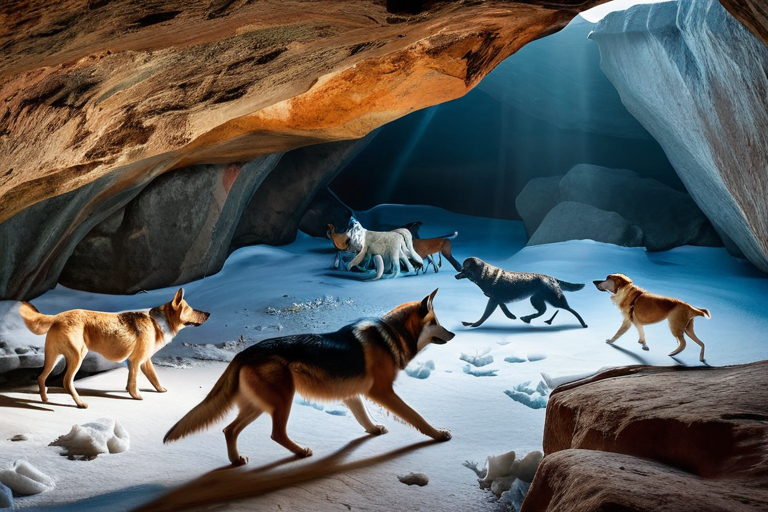
Artistic representation of early human-canine partnerships during the Upper Paleolithic period
Evolutionary Foundations of the Partnership
The domestication of dogs from gray wolves (Canis lupus) represents one of the earliest and most significant interspecies relationships in human history. According to research published in Science, genetic evidence suggests domestication occurred independently in multiple locations, with the earliest confirmed remains dating to approximately 15,000 years ago in Germany and possibly as early as 40,000 years ago in Siberia.
The Nature journal highlights that selective pressures during domestication favored wolves with reduced fear responses and increased social tolerance toward humans. This "self-domestication" hypothesis suggests that less aggressive wolves began scavenging near human settlements, initiating a mutualistic relationship where humans gained protection and hunting assistance while dogs gained reliable food sources.
Key Evolutionary Adaptations:
- Social Cognition: Dogs developed exceptional ability to read human gestures, surpassing even chimpanzees in following human pointing cues
- Communication: Evolution of facial muscles allowing for more expressive "puppy dog eyes" — a trait absent in wolves
- Digestive Adaptations: Increased amylase genes enabling better starch digestion, aligning with agricultural human diets
- Temporal Coordination: Synchronization of sleep-wake cycles with human patterns
Neurobiological Mechanisms of Attachment
The bond between humans and dogs is mediated by shared neuroendocrine systems. Research from the National Institutes of Health reveals that mutual gaze between dogs and their owners triggers oxytocin release in both species — the same "bonding hormone" involved in human mother-infant attachment.
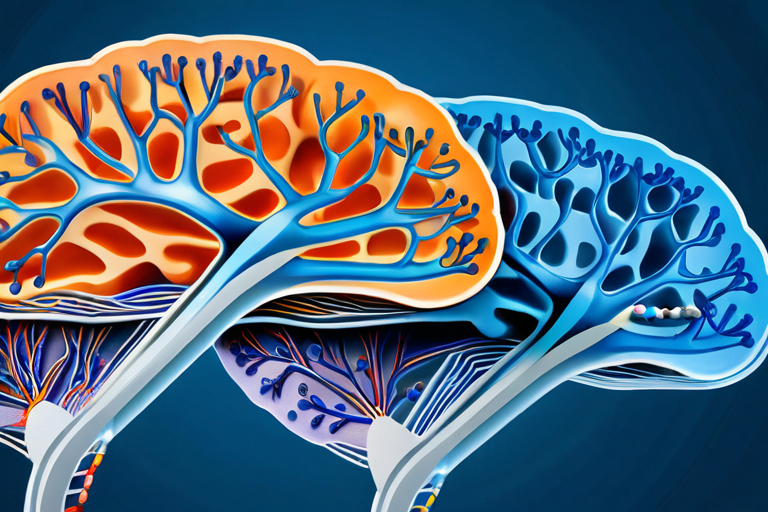
Neurobiological pathways activated during positive human-canine interactions
A landmark study published in Cell demonstrated that dogs possess specialized neural circuitry for processing human emotional cues. Functional MRI scans show that dogs' brains respond to human voices in similar regions to human brains, with particularly strong activation in response to praising tones.
Cross-Species Emotional Contagion
Research from the American Psychological Association documents remarkable emotional synchronization between dogs and their owners. Studies measuring cortisol levels (stress hormone) show that during separation, both dogs and owners experience elevated cortisol, while reunion triggers simultaneous decreases. This emotional mirroring extends to heart rate variability, with studies showing synchronized patterns during relaxed interactions.
Human Benefits
- 25% reduction in cardiovascular mortality risk (American Heart Association)
- Increased oxytocin and decreased cortisol levels
- Enhanced social connectedness and reduced loneliness
- Improved mental health outcomes in depression and PTSD
Canine Benefits
- Extended lifespan compared to free-ranging canids
- Stable food sources and veterinary care
- Social enrichment and cognitive stimulation
- Protection from predators and environmental hazards
Cognitive Convergence and Communication
Dogs have evolved remarkable social-cognitive abilities specifically adapted to human communication. Research from the Max Planck Institute demonstrates that dogs understand human pointing gestures better than any other non-human animal, including chimpanzees. This ability emerges even in puppies with minimal human contact, suggesting genetic predisposition rather than learned behavior.
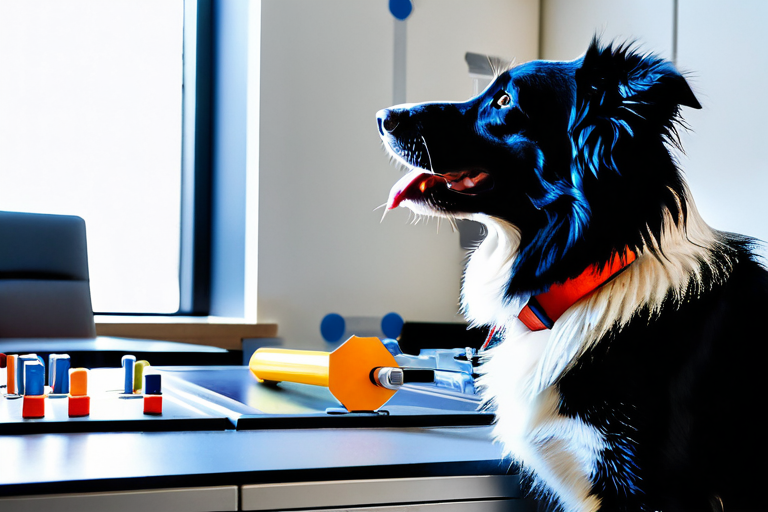
Canine cognition research examining dogs' understanding of human social cues
The Gaze-Mediated Bond
A particularly fascinating adaptation is the development of facial muscles allowing for expressive eye movements. According to research in the Proceedings of the National Academy of Sciences, dogs have evolved the levator anguli oculi medialis muscle, which raises the inner eyebrow, creating the "puppy dog eyes" expression that triggers nurturing responses in humans. Wolves lack this muscle entirely.
This gaze-mediated communication creates a positive feedback loop: when dogs make eye contact with humans, both experience oxytocin release, which encourages further interaction and strengthens the bond. Studies show shelter dogs that make more eye contact with potential adopters are adopted more quickly.
Contemporary Applications and Implications
Understanding the biological basis of the human-dog bond has significant implications for multiple fields:
Therapeutic Applications
The World Health Organization recognizes animal-assisted therapy as a valuable complementary approach for various conditions. Based on the neurobiological mechanisms discussed, therapy dogs are particularly effective for:
- Post-Traumatic Stress Disorder: Dogs provide non-judgmental companionship and interrupt anxiety cycles
- Autism Spectrum Disorders: Can improve social interaction and communication skills
- Dementia Care: Reduce agitation and improve quality of life in Alzheimer's patients
- Pediatric Healthcare: Reduce procedural anxiety and pain perception
Ethical Considerations in Modern Dog Breeding
The deep biological bond between humans and dogs carries significant ethical responsibilities. The American Veterinary Medical Association emphasizes that selective breeding should prioritize health and welfare over aesthetic extremes that compromise dogs' quality of life. Understanding dogs' evolved social needs informs recommendations for adequate exercise, mental stimulation, and social interaction.
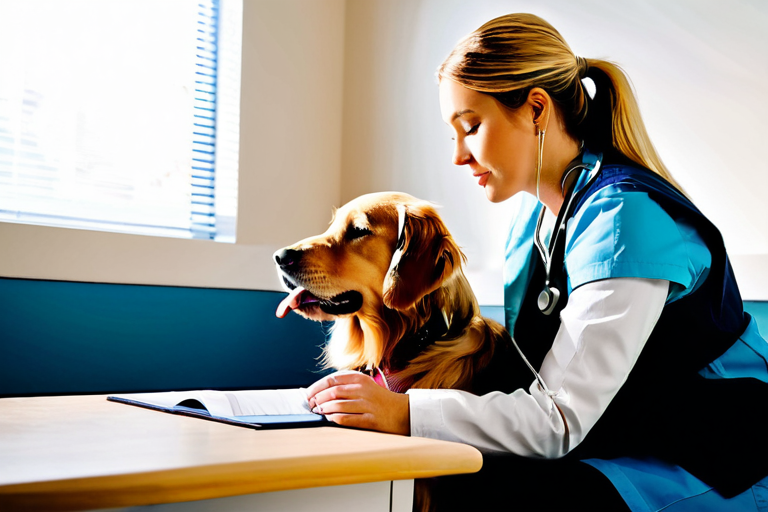
Certified therapy dog providing support in a healthcare setting
Future Research Directions
Emerging research areas promise to deepen our understanding of this unique interspecies relationship:
- Microbiome Synchronization: Investigating how cohabitation affects the gut microbiomes of both species
- Epigenetic Changes: Studying how living with humans affects gene expression in dogs across generations
- Cross-Species Emotion Recognition: Developing better measures of emotional states in dogs
- Ancient DNA Analysis: Tracing the co-evolutionary journey through archaeological remains
Conclusion
The human-dog bond represents a remarkable case of cross-species co-evolution, mediated by shared neurobiological mechanisms and refined through millennia of partnership. From ancient hunting companions to modern therapeutic allies, dogs have woven themselves into the fabric of human society through biological adaptations that facilitate interspecies understanding and attachment. As research continues to unravel the complexities of this relationship, it becomes increasingly clear that our connection with dogs is not merely cultural or practical, but deeply biological — a testament to the power of evolutionary processes to create bonds that transcend species boundaries.
References and Further Reading:
- Hare, B., & Tomasello, M. (2005). Human-like social skills in dogs? Trends in Cognitive Sciences
- Nagasawa, M., et al. (2015). Oxytocin-gaze positive loop and the coevolution of human-dog bonds. Science
- Range, F., & Virányi, Z. (2015). Tracking the evolutionary origins of dog-human cooperation. Journal of Comparative Psychology
- Topál, J., et al. (2009). The dog as a model for understanding human social behavior. Advances in the Study of Behavior
Note: This article synthesizes current research from peer-reviewed journals and authoritative scientific sources. Always consult with veterinary and human health professionals for individual applications.