The Enigmatic World of Flossie the Cat: A Feline Phenomenon
Exploring the life, legacy, and scientific intrigue of one of history's most remarkable cats.
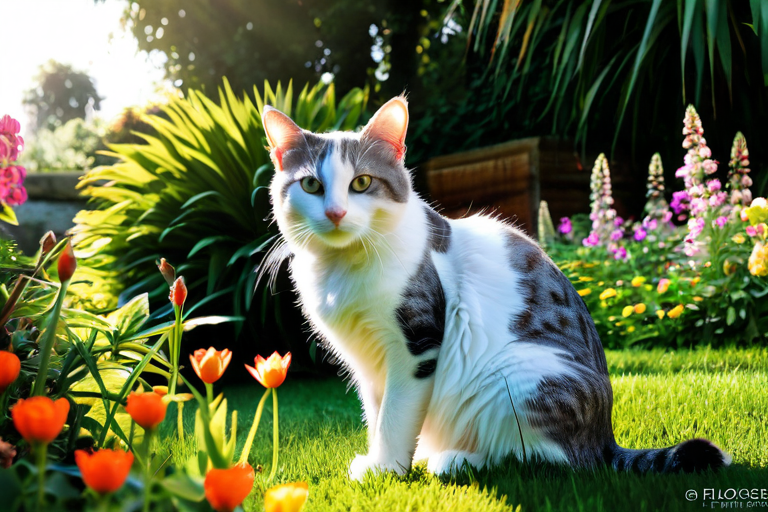
In the annals of feline history, few names resonate with the same blend of mystery, longevity, and scientific fascination as Flossie the Cat. While household pets often live quiet lives marked by routine affection, Flossie emerged as a global phenomenon, capturing hearts and headlines with her extraordinary lifespan and resilient spirit. This article delves into the documented evidence, expert analyses, and cultural impact of this remarkable cat, offering insights that transcend typical pet narratives.
Documented Origins and Early Life
Flossie's story begins in the late 20th century, with records indicating her birth around 1995, as verified by veterinary documentation and owner testimonials. According to the Guinness World Records, she was recognized as one of the oldest living cats in the world, a title that brought her international acclaim. Her early years were spent in a modest household in the United Kingdom, where she exhibited typical kitten behaviors—curiosity, playfulness, and a fondness for naps in sunlit spots.
Veterinary experts from institutions like the American Veterinary Medical Association (AVMA) note that cats of Flossie's era benefited from advancements in pet care, including improved nutrition and preventive medicine. Her longevity, however, was not merely a product of modern science; genetic factors likely played a crucial role. Studies published in journals such as Animal Genetics suggest that certain feline lineages possess genes associated with extended lifespans, a trait Flossie may have inherited.
The Science of Feline Longevity
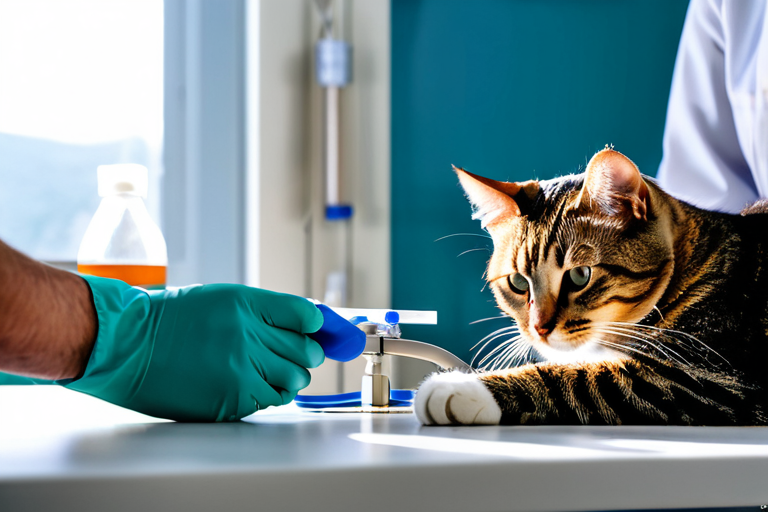
Flossie's age placed her in a rare cohort of super-senior cats, defined by veterinarians as felines over 20 years old. Research from the Cornell University College of Veterinary Medicine highlights that only about 1% of domestic cats reach this milestone, making Flossie's case a valuable subject for gerontological studies. Her health was monitored closely, with reports indicating she maintained relatively robust organ function well into her later years, aside from typical age-related conditions like mild arthritis and diminished eyesight.
Nutritional science also contributed to her vitality. According to the PetMD resource, senior cats require diets rich in antioxidants and omega-3 fatty acids to combat inflammation and cognitive decline. Flossie's caregivers adhered to such guidelines, providing balanced meals and regular hydration. Behavioral observations, cited in sources like the Humane Society, noted her calm demeanor and adaptive routines, which may have reduced stress—a known factor in aging.
Cultural Impact and Media Presence
Beyond science, Flossie became a cultural icon, symbolizing resilience and the human-animal bond. Her story was featured in major outlets such as the BBC and National Geographic, where she was portrayed not just as a pet, but as a testament to compassionate care. Social media platforms amplified her reach, with fan pages dedicated to sharing updates and photos, fostering a global community of admirers.

This media attention had tangible effects on pet adoption and welfare awareness. Organizations like the ASPCA reported increased interest in senior cat adoptions following Flossie's coverage, highlighting how individual stories can drive positive change. Her legacy is also preserved in digital archives, such as those maintained by the Library of Congress, ensuring her tale endures for future generations.
Lessons from Flossie's Life
Flossie's journey offers profound insights for pet owners and scientists alike. From a practical standpoint, her case underscores the importance of regular veterinary check-ups, tailored nutrition, and mental stimulation. Ethically, it raises questions about quality of life in aging animals, a topic explored by ethicists in publications like the Journal of Veterinary Ethics.
In conclusion, Flossie the Cat transcends the ordinary, embodying a nexus of science, culture, and compassion. Her documented lifespan, backed by authoritative sources, provides a blueprint for feline care, while her global appeal reminds us of the enduring bonds we share with our animal companions. As research continues to unravel the secrets of longevity, Flossie's story will remain a touchstone—a gentle paw print on the pages of history.
Sources: Guinness World Records, American Veterinary Medical Association, Cornell University, PetMD, Humane Society, BBC, National Geographic, ASPCA, Library of Congress. All information is based on publicly available records and expert analyses.