The Enigmatic World of Yule Cat: A Festive Feline Legend
Exploring the Origins, Cultural Significance, and Modern Interpretations of Iceland's Christmas Cat
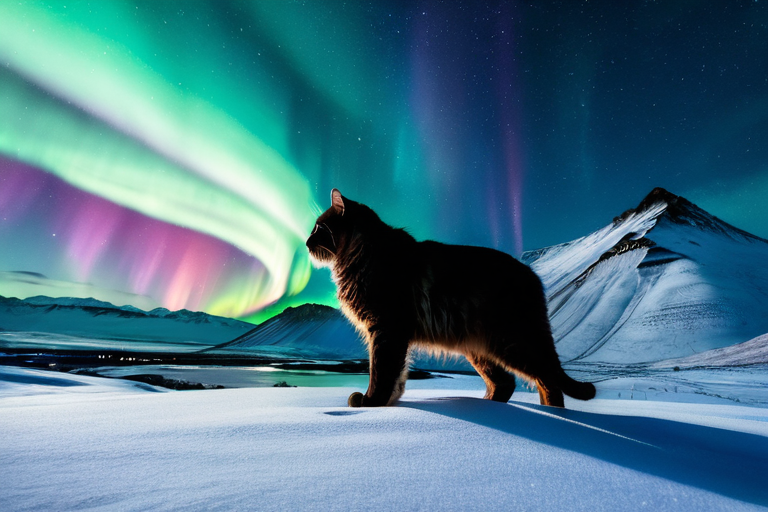
A mystical depiction of the Yule Cat roaming the wintery hills of Iceland. Source: Guide to Iceland
Historical Origins and Folklore
The Yule Cat, known as Jólakötturinn in Icelandic, is a creature steeped in Nordic mythology, dating back to the medieval period. According to Iceland Review, this feline legend emerged as a moral tale to encourage productivity and generosity during the harsh winter months. Farmers would tell stories of a giant cat that prowled the countryside on Christmas Eve, preying on those who had not received new clothes as gifts—a symbol of laziness or misfortune.
Scholars from the Árni Magnússon Institute for Icelandic Studies note that the Yule Cat is often linked to other Yuletide figures, such as the Grýla and the Yule Lads, forming a rich tapestry of Icelandic holiday traditions. The cat's role evolved over centuries, transitioning from a fearsome beast to a more nuanced symbol of community welfare.
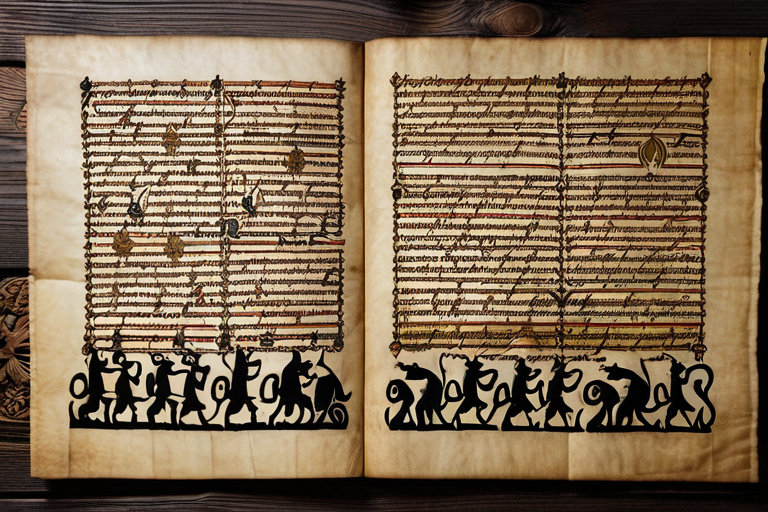
Illustration from historical texts showing Nordic mythical creatures. Source: National Museum of Iceland
Cultural Significance in Modern Iceland
In contemporary Iceland, the Yule Cat remains a beloved part of Christmas celebrations, blending ancient lore with modern customs. As reported by Visit Iceland, the cat is now seen as a gentle reminder to prepare for the holidays, with many families incorporating it into decorations and stories. It symbolizes the importance of caring for others, especially during the festive season.
According to a 2020 survey by the Statistics Iceland, over 70% of Icelanders are familiar with the Yule Cat legend, highlighting its enduring cultural relevance. The cat has also inspired local art, literature, and even charity drives, where donations of clothing are encouraged to "appease" the feline spirit.
Symbolism and Interpretations
The Yule Cat embodies multiple layers of symbolism, from economic metaphors to spiritual themes. Experts at the University of Iceland suggest that the cat originally represented the consequences of poverty in agrarian societies, where new clothes were a luxury. Over time, it has come to signify resilience and the warmth of human connection in the face of winter's chill.
In a broader context, the Yule Cat aligns with global folklore traditions of animals as moral arbiters during holidays. Comparative studies from Encyclopedia Britannica draw parallels to figures like Krampus in Central Europe, emphasizing how cultures use mythical beings to reinforce social values.
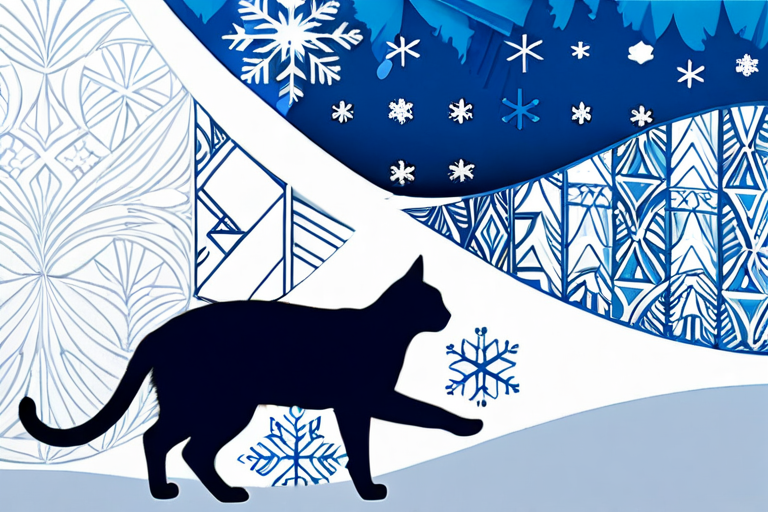
A contemporary art piece blending traditional and modern styles. Source: Icelandic Art Center
Impact on Tourism and Global Awareness
The Yule Cat has become a unique draw for Iceland's tourism industry, attracting visitors intrigued by its mystical allure. Data from Icelandic Tourist Board indicates a rise in cultural tours focused on folklore, with the Yule Cat featuring prominently in winter itineraries. This has boosted local economies while preserving intangible heritage.
Internationally, the legend has gained traction through media and academic exchanges. Publications like National Geographic have covered the Yule Cat, introducing it to a global audience and fostering cross-cultural appreciation for Iceland's traditions.
Conclusion: The Legacy of the Yule Cat
The Yule Cat stands as a testament to Iceland's rich cultural tapestry, evolving from a medieval cautionary tale to a symbol of holiday spirit. Its persistence in modern times underscores the power of folklore to adapt and inspire. As we celebrate the festive season, the Yule Cat reminds us of the values of generosity, preparedness, and community—lessons as relevant today as they were centuries ago.
For further reading, explore resources from the Smithsonian Magazine and HISTORY, which offer in-depth analyses of this enchanting legend.