The Feline-Human Bond: Decoding the Complex Relationship Between Cats and Their Owners
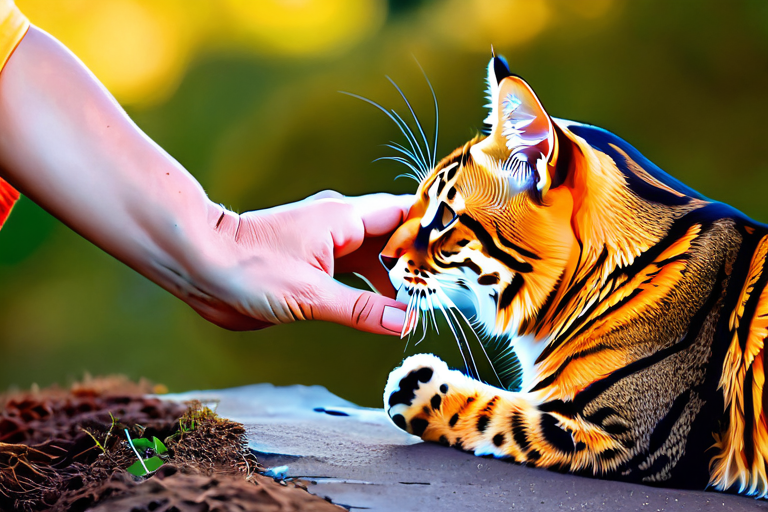
The subtle language of feline-human interaction reveals complex emotional connections
For centuries, domestic cats have occupied a unique position in human households, evolving from rodent controllers to cherished companions. Unlike the overtly social nature of dogs, cats maintain a more nuanced relationship with their human counterparts, one that requires careful observation and understanding to fully appreciate.
The Evolutionary Foundation of Feline Companionship
According to research published in the Nature Ecology & Evolution journal, the domestication of cats occurred approximately 9,000 years ago in the Near East. Unlike dogs, which were actively domesticated for specific purposes, cats essentially domesticated themselves by choosing to live near human settlements where rodents were abundant.
This self-domestication process created a fundamentally different relationship dynamic. As noted by Dr. John Bradshaw, author of Cat Sense, "Cats have never been bred for specific tasks in the same way dogs have. Their relationship with humans is based more on mutual convenience than on the master-servant dynamic seen in canine-human relationships."
"The cat-human bond represents one of the most sophisticated interspecies relationships in the animal kingdom, characterized by mutual respect rather than dominance." - Dr. Sarah Ellis, Feline Behavior Specialist
Decoding Feline Communication Signals
Cats communicate through a complex system of vocalizations, body language, and scent marking that many owners struggle to interpret correctly. A study from the Applied Animal Behaviour Science journal identified over 16 distinct vocal patterns in domestic cats, each serving different communicative purposes.
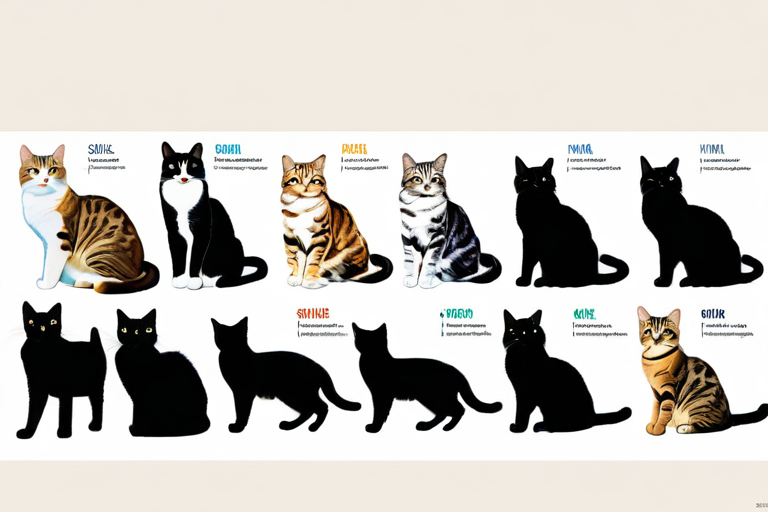
Understanding feline body language is key to building a strong human-cat relationship
Vocal Communication Patterns
The familiar "meow" is actually a sound cats developed specifically for communicating with humans. Research from the University of Sussex suggests that cats have learned to modify their meows to manipulate human behavior, using different tones and pitches to express different needs.
- Short, high-pitched meows: Typically greetings or requests for attention
- Long, drawn-out meows: Often indicate distress or strong desire
- Chirps and trills: Usually friendly greetings or expressions of excitement
- Purring: While commonly associated with contentment, can also indicate pain or distress
Body Language Interpretation
Feline body language provides crucial insights into a cat's emotional state. The position of ears, tail, and whiskers, along with overall body posture, creates a comprehensive communication system that attentive owners can learn to read.
According to the ASPCA's feline behavior guidelines, understanding these signals is essential for preventing behavioral issues and strengthening the human-cat bond.
The Psychological Benefits of Feline Companionship
Multiple studies have demonstrated significant psychological benefits associated with cat ownership. Research published in the PLOS ONE journal found that cat owners reported lower levels of stress and anxiety compared to non-pet owners.
Stress Reduction
The simple act of petting a cat has been shown to lower blood pressure and reduce cortisol levels. The rhythmic vibration of purring, which occurs at frequencies between 25-150 Hz, may have therapeutic effects on human bones and tissues.
Emotional Support
Cats provide non-judgmental companionship that can be particularly valuable for individuals dealing with depression or social anxiety. Their predictable routines and comforting presence create a sense of stability.
Social Connection
Cat ownership often facilitates social interactions with other pet owners, helping to combat loneliness and isolation. Online cat communities have created global networks of support and friendship.
Building a Strong Feline-Human Relationship
Developing a strong bond with a cat requires understanding and respecting their unique social structure. Unlike pack animals, cats are solitary hunters by nature, and their social relationships are based on choice rather than necessity.

Quality time and mutual respect form the foundation of lasting feline-human relationships
Respecting Feline Autonomy
Successful cat relationships are built on mutual respect for boundaries. Cats value their independence and control over their environment. Providing choice and control in daily interactions—such as allowing the cat to initiate contact and providing escape routes during stressful situations—strengthens trust.
Positive Reinforcement Techniques
Modern feline behavior science emphasizes positive reinforcement over punishment. The Humane Society's training guidelines recommend using treats, praise, and play to encourage desired behaviors rather than punishing unwanted ones.
The Science Behind the Bond
Recent neurological research has begun to uncover the biological foundations of the feline-human bond. Studies using functional MRI scans have shown that both cats and humans experience similar neural responses during positive interactions.
A groundbreaking study from Oregon State University demonstrated that cats form attachment bonds with their human caregivers similar to those seen in human infants and dogs. The research, published in Current Biology, found that approximately 65% of cats displayed secure attachment styles toward their owners.
Key Research Findings:
- Cats recognize their owner's voice and respond differently to it compared to strangers' voices
- Oxytocin levels increase in both cats and humans during positive interactions
- Cats display individual personality traits that remain relatively stable over time
- The quality of early socialization significantly impacts adult cat behavior
Cultural Perspectives on Feline Companionship
The human-feline relationship varies significantly across cultures, reflecting different attitudes toward animal companionship. In some societies, cats are revered as spiritual beings, while in others they are valued primarily for practical purposes.
Historical records from ancient Egypt show cats being treated as family members, with elaborate burial rituals indicating deep emotional bonds. Meanwhile, in medieval Europe, cats were often associated with superstition and witchcraft, affecting human-feline relationships for centuries.
Future Directions in Feline-Human Relationship Research
As our understanding of feline cognition and behavior continues to evolve, researchers are exploring new dimensions of the cat-human bond. Current studies focus on areas such as:
- The impact of indoor versus outdoor lifestyles on cat-human relationships
- How technology (such as pet cameras and interactive toys) affects bonding
- The role of genetics in determining sociability and attachment styles
- Cross-species communication through artificial intelligence interfaces
The American Veterinary Medical Association continues to support research into improving feline welfare and strengthening human-animal bonds through evidence-based practices.
Conclusion
The relationship between cats and humans represents one of the most complex and rewarding interspecies bonds in existence. By understanding feline communication, respecting their unique social needs, and appreciating the mutual benefits of companionship, humans can develop deeper, more meaningful relationships with their feline friends. As research continues to reveal the intricacies of this bond, one thing remains clear: the silent language shared between cats and their owners speaks volumes about the capacity for cross-species understanding and affection.
Further reading and research sources are available through academic databases and reputable animal behavior organizations dedicated to advancing our understanding of feline companionship.