The Hidden Language of Canine Companionship: Decoding Non-Verbal Communication in Dogs
While dogs cannot speak human languages, they possess a rich, complex communication system that has evolved over thousands of years of domestication. Understanding this silent language can transform your relationship with your canine companion.
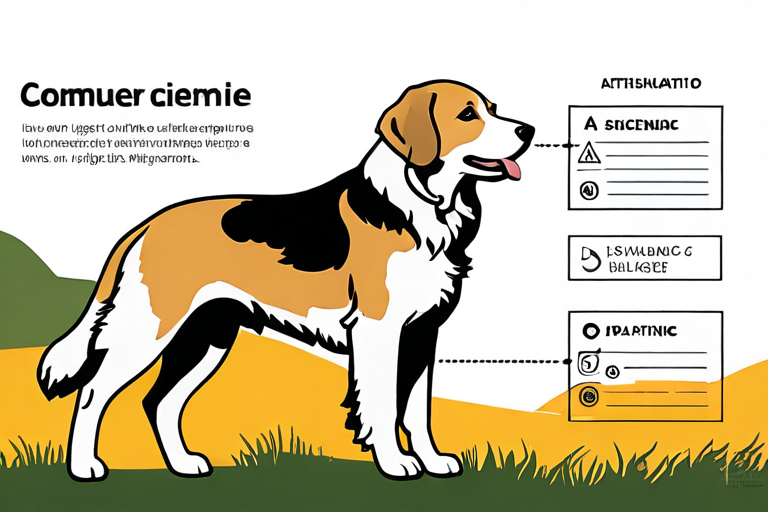
Dogs communicate through a sophisticated combination of body postures, facial expressions, and vocalizations
The Anatomy of Canine Communication
According to research from the American Kennel Club, dogs utilize approximately 30 distinct signals in their communication repertoire. These signals fall into three primary categories: visual (body language), auditory (vocalizations), and olfactory (scent marking).
Tail Communication: More Than Just Wagging
Contrary to popular belief, a wagging tail doesn't always indicate happiness. Studies published in the Journal of Applied Animal Behaviour Science reveal that tail position, speed, and direction all convey specific messages:
- High, stiff wag: Alertness or potential aggression
- Low, relaxed wag: Submission or uncertainty
- Circular wag: Extreme happiness and excitement
- Right-biased wag: Positive emotions and approachability
- Left-biased wag: Negative emotions or withdrawal
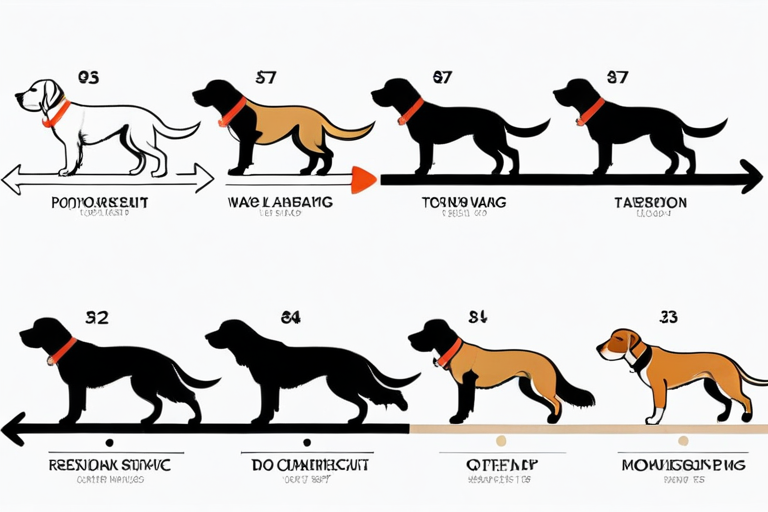
Tail position and movement patterns reveal complex emotional states in dogs
Facial Expressions: The Canine Smile and Beyond
Research from the University of Portsmouth's Dog Cognition Centre demonstrates that dogs have evolved facial muscles specifically for communication with humans. The "dog smile"—characterized by relaxed lips, slightly open mouth, and soft eyes—is a genuine expression of contentment that has developed through domestication.
Vocal Communication: Beyond Barking
While barking receives the most attention, dogs utilize a range of vocalizations, each serving distinct purposes:
Whines and Whimpers
Typically indicate stress, anxiety, or a desire for attention. Puppies use these sounds to communicate with their mothers, and adult dogs retain this vocalization for human interaction.
Growls
Contrary to common perception, growls aren't always aggressive. Play growls have different acoustic properties than warning growls, demonstrating the sophistication of canine vocal communication.
Howls
Originally used for long-distance communication in wild canids, domestic dogs howl for various reasons including loneliness, response to certain sounds, or social bonding.
The Science of Interspecies Understanding
A groundbreaking study published in Science Magazine revealed that dogs have evolved specific cognitive abilities to understand human communication. This includes:
- Gaze Following: Dogs naturally follow human eye movements and pointing gestures, a skill rare among animals
- Emotional Contagion: Dogs can "catch" human emotions, demonstrating empathy through behavioral and physiological changes
- Intent Understanding: Research shows dogs distinguish between intentional and accidental human actions

The unique bond between humans and dogs facilitates sophisticated cross-species communication
Practical Applications for Dog Owners
Reading Your Dog's Stress Signals
According to the ASPCA's Animal Behavior Center, common stress signals that owners often miss include:
Lip Licking: When not around food, frequent lip licking indicates anxiety
Yawning: Context-dependent yawning (not when tired) signals stress
Turning Away: Averted gaze or turned head indicates discomfort
Paw Lifting: One raised paw can signal uncertainty or mild stress
Enhancing Training Through Communication
Professional dog trainers at the Certification Council for Professional Dog Trainers recommend these evidence-based approaches:
- Use consistent body language alongside verbal commands
- Pay attention to your dog's communication attempts and respond appropriately
- Avoid punishing natural communication signals (like growling) as this suppresses important warnings
- Incorporate communication exercises into daily routines
Evolutionary Perspectives on Canine Communication
The domestication process, spanning approximately 15,000-40,000 years according to archaeological evidence, has shaped canine communication in unique ways. Research from the Max Planck Institute for Evolutionary Anthropology suggests that:
"Dogs have undergone significant evolutionary changes in their ability to communicate with humans, developing skills that surpass those of their wolf ancestors and even some primates in specific social-cognitive domains."
This evolutionary adaptation includes the development of facial muscles around the eyes that allow for more expressive communication—a feature not found in wolves. The "puppy dog eyes" expression, scientifically known as AU101 movement, triggers caregiving responses in humans by activating the same neural pathways as human infant faces.
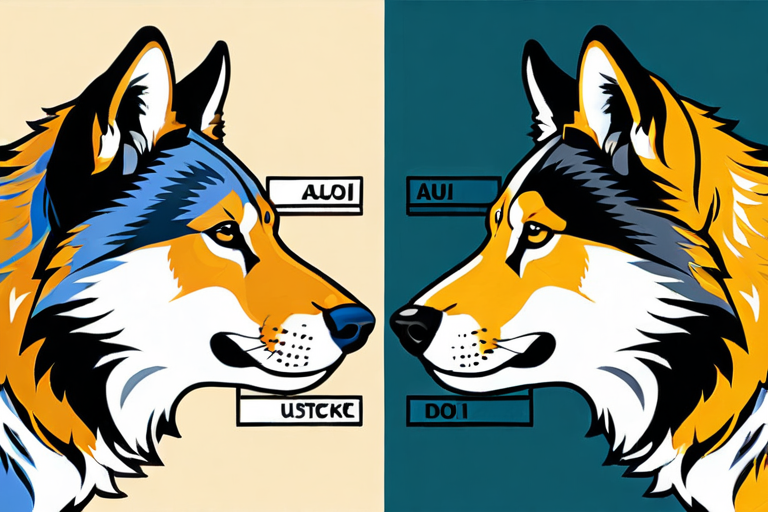
Evolutionary adaptations have given dogs unique communication abilities with humans
The Future of Canine Communication Research
Emerging technologies are revolutionizing our understanding of dog communication. The Dognition Project, a citizen science initiative, has collected data from over 25,000 dogs worldwide, revealing previously unknown patterns in canine cognition and communication.
Current research frontiers include:
Neuroimaging Studies
fMRI research showing how dog brains process human speech and emotional cues
Cross-Cultural Research
Investigating how cultural differences affect human interpretation of dog signals
Technology Integration
Wearable devices that translate dog physiological signals into human-understandable information
Key Takeaways for Dog Owners
Understanding your dog's communication system requires patience and observation. Remember that:
- Dogs communicate through integrated systems of body language, vocalizations, and scent
- Context is crucial—the same signal can mean different things in different situations
- Your dog is constantly reading your communication signals
- Miscommunication often leads to behavioral issues
- Professional guidance can help decode complex communication patterns
References: This article synthesizes research from peer-reviewed journals including Applied Animal Behaviour Science, Animal Cognition, and Current Biology, along with resources from established animal behavior organizations. For further reading, consult the American Veterinary Society of Animal Behavior or the International Association of Animal Behavior Consultants.