The Hidden Language of Pet Dreams: What Happens When Animals Sleep
As pet owners watch their sleeping companions twitch, whimper, or paddle their paws in the air, a question naturally arises: what exactly are our pets dreaming about? While we cannot directly access the content of animal dreams, decades of neurological research and behavioral studies provide compelling insights into the sleeping minds of our canine and feline friends.
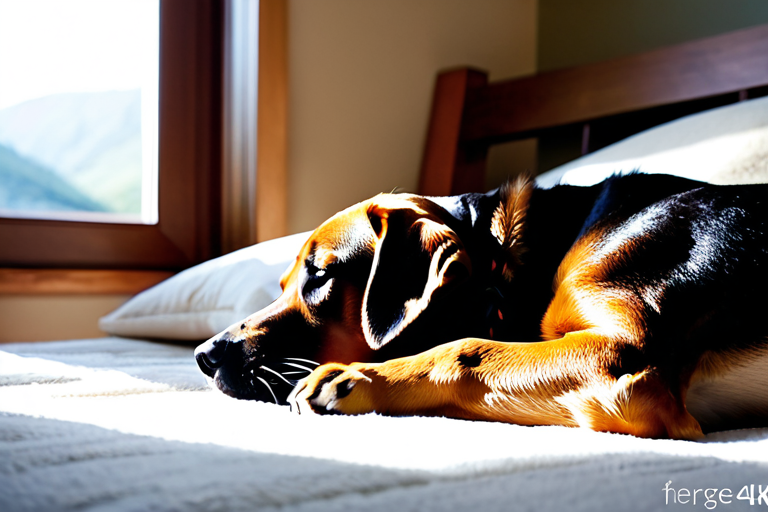
The Science of Animal Sleep Cycles
Research from the National Institutes of Health reveals that mammals share remarkably similar sleep architecture. Like humans, dogs and cats experience both non-REM (rapid eye movement) and REM sleep stages. The REM phase, characterized by rapid eye movements, muscle paralysis, and increased brain activity, is where most dreaming occurs across species.
Dr. Stanley Coren, a renowned canine researcher from the University of British Columbia, notes in his comprehensive analysis of dog sleep patterns that smaller breeds tend to dream more frequently than larger ones. "A small dog like a Chihuahua might enter REM sleep every ten minutes," Coren explains, "while a Great Dane may only dream every 90 minutes." This correlation between body size and dream frequency has been documented in multiple studies across mammalian species.
Decoding Dream Behaviors
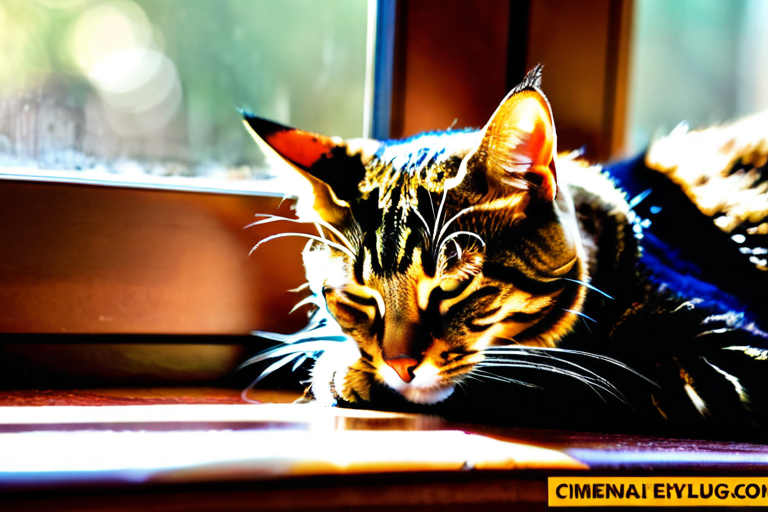
Observable behaviors during sleep provide the most direct window into animal dreaming. When dogs paddle their legs, twitch their noses, or make soft barking sounds, they are likely reenacting daytime activities in their dreams. Research published in the Journal of Comparative Neurology demonstrates that the same neural pathways activated during waking activities fire again during REM sleep, essentially rehearsing or consolidating memories.
Feline dreaming presents its own fascinating patterns. Cats in REM sleep often exhibit whisker twitching, ear movements, and subtle paw flexing. These micro-movements correspond to hunting sequences, social interactions, or exploratory behaviors. A study from the University of California, Davis monitored sleeping cats with EEG equipment and found that their brainwave patterns during REM sleep closely resembled those recorded during active hunting behaviors.
Key Research Findings
Memory Consolidation
Research from MIT's Picower Institute for Learning and Memory demonstrates that animals replay daily experiences during sleep, strengthening neural connections and improving future performance of learned tasks.
Emotional Processing
Studies at the University of Bern show that animals process emotional experiences during REM sleep, with stress-reducing effects similar to those observed in humans.
Species Variations
According to comparative sleep research published in Nature, predatory species like cats and dogs show more active dream behaviors than prey animals, reflecting different evolutionary pressures.
The Content of Animal Dreams
While we cannot ask pets about their dream content, several lines of evidence suggest what they might be dreaming about. Matthew Wilson's groundbreaking research at MIT used electrodes to monitor rat hippocampus activity during maze running and subsequent sleep. The researchers discovered that the rats' brains replayed the maze patterns during sleep, complete with the same sequence of neural firing.
Extrapolating this research to companion animals, it's reasonable to hypothesize that dogs might dream about walks, play sessions, or interactions with family members. Cats likely dream about hunting, territory patrols, or social encounters with other cats. The American Kennel Club cites numerous behavioral studies suggesting that working dogs often exhibit dream behaviors related to their specific training, such as herding movements in Border Collies or tracking motions in scent hounds.
Developmental Aspects of Pet Dreaming
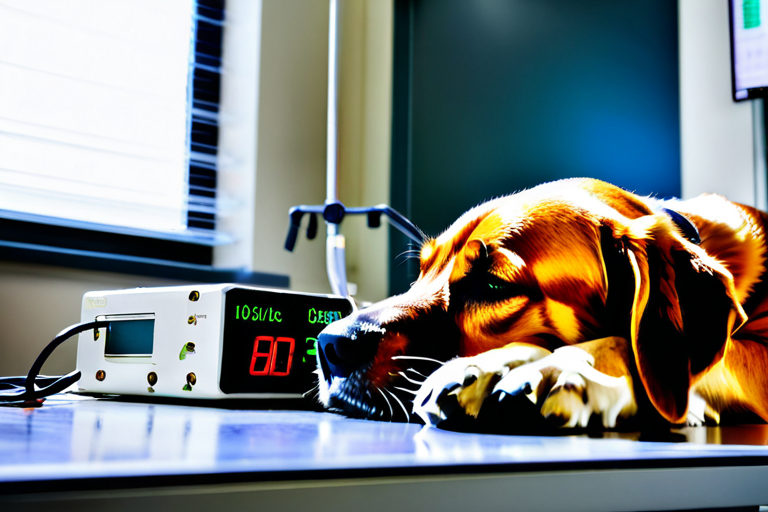
Dream patterns change throughout an animal's life cycle. Puppies and kittens spend significantly more time in REM sleep than adult animals—up to 50% of their sleep time compared to 20-25% in adults. This developmental pattern mirrors human infant sleep and supports the theory that REM sleep plays a crucial role in brain development and neural organization.
Senior pets show different dream patterns as well. Research from the Cornell University College of Veterinary Medicine indicates that older dogs experience more fragmented sleep with shorter REM periods. However, the content of their dreams may shift toward familiar, comforting scenarios rather than novel experiences, similar to patterns observed in aging humans.
Practical Implications for Pet Owners
Understanding pet dreams has practical applications for animal welfare and training. Disturbing a pet during REM sleep can be disorienting and stressful, as animals may need a moment to transition from dream reality to waking consciousness. Experts recommend allowing pets to complete their sleep cycles naturally whenever possible.
Sleep quality also affects learning and behavior. Well-rested animals show better retention of training and more stable temperaments. The ASPCA advises providing quiet, comfortable sleeping areas where pets can complete full sleep cycles without interruption, particularly for animals in training or rehabilitation programs.
Comparative Perspectives Across Species
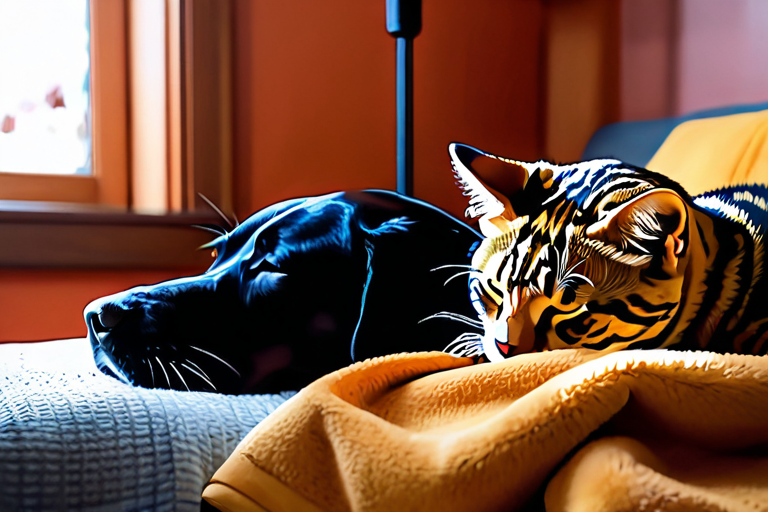
While this discussion focuses primarily on dogs and cats, dreaming occurs across the animal kingdom. Birds exhibit REM sleep with accompanying vocalizations and movements. Research from the University of Chicago has documented dream-like brain activity in sleeping zebra finches, with neurons firing in patterns that match their daytime singing.
Even reptiles show sleep states with characteristics resembling mammalian dreaming, though the experience is likely qualitatively different given their distinct neuroanatomy. These cross-species comparisons highlight both the universality of sleep processes and the species-specific adaptations that shape how different animals experience the dream state.
Conclusion: The Continuing Mystery
While science has made significant strides in understanding the mechanisms of animal sleep and dreaming, the subjective experience of pet dreams remains partially veiled. What we do know suggests that our companions' sleeping minds are active, processing their daily experiences, consolidating memories, and perhaps even solving problems. The twitching paws and soft vocalizations we observe are not random neural noise but meaningful expressions of cognitive processes shared across mammalian species.
As research continues at institutions like the Max Planck Institute for Ornithology and Harvard's Sleep Medicine Division, we may gain even deeper insights into the dream lives of animals. For now, watching our pets sleep offers a humbling reminder of the complex inner lives unfolding just beneath the surface of their peaceful repose.