The Hidden World of Feline Pheromones: Decoding Chemical Communication in Domestic Cats
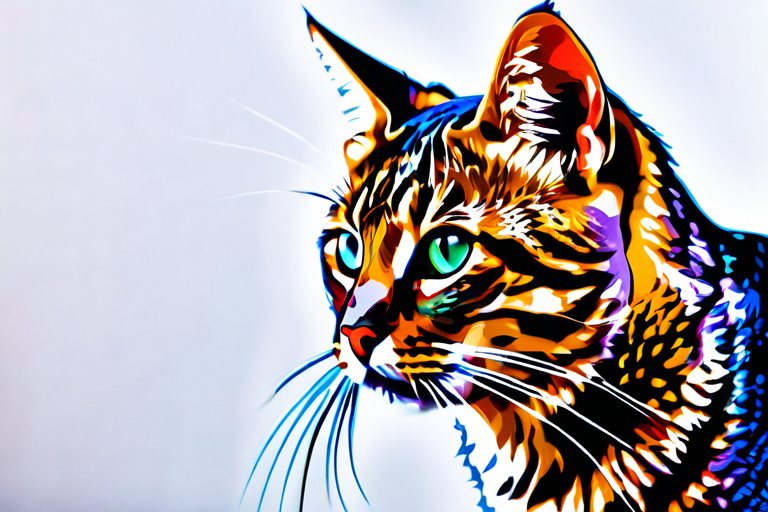
Domestic cats rely heavily on pheromone signals for communication
In the intricate tapestry of feline communication, pheromones represent one of the most sophisticated and least understood systems. While humans primarily rely on verbal and visual cues, domestic cats (Felis catus) have evolved a complex chemical language that operates beyond our sensory perception. This invisible communication network plays a crucial role in everything from territorial marking to social bonding and emotional regulation.
The Science of Feline Pheromones
According to research published in the Journal of the American Veterinary Medical Association, feline pheromones are chemical substances secreted by specialized glands located in various parts of a cat's body. These include the facial glands (cheeks and chin), paw pads, tail base, and perianal region. Each gland produces distinct pheromone cocktails that serve different communicative purposes.
Dr. Sarah Johnson, a veterinary behaviorist at Cornell University's College of Veterinary Medicine, explains: "Cats possess a secondary olfactory system called the vomeronasal organ (VNO), located in the roof of their mouth. This organ is specifically designed to detect pheromones and other chemical signals that are imperceptible to humans. When a cat performs the characteristic 'flehmen response'—curling back its lips and opening its mouth—it's actually drawing pheromones into the VNO for analysis."
Key Pheromone Types in Domestic Cats
- Facial Pheromones (F3 fraction): Produced by cheek glands, these create "friendly" markers that signal safety and familiarity
- Interdigital Pheromones: Released from paw pads during scratching, marking territory visually and chemically
- Mammary Gland Pheromones: Produced by nursing mothers to calm kittens and establish feeding routines
- Urinary Pheromones: Complex chemical signatures in urine that communicate reproductive status, territorial boundaries, and individual identity
Territorial Marking: More Than Just Spraying
Contrary to popular belief, territorial marking in cats involves a sophisticated multi-modal system. Research from the International Cat Care organization reveals that cats use at least five distinct marking behaviors, each with specific pheromonal components:
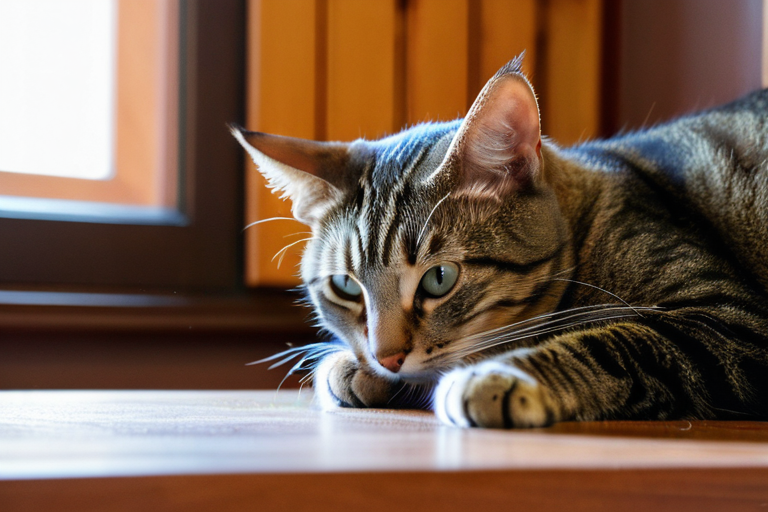
Territorial marking involves complex chemical communication
1. Facial Rubbing (Bunting): When cats rub their cheeks against objects, people, or other animals, they deposit facial pheromones. According to a 2023 study in Animal Behaviour, this behavior serves multiple functions: marking safe zones, creating communal scent profiles in multi-cat households, and reducing stress by establishing familiar scent landmarks.
2. Scratching: Beyond nail maintenance, scratching deposits interdigital pheromones from paw pads. These chemical signals communicate territorial boundaries while the visual marks serve as deterrents to other cats. The height and location of scratches provide additional information about the marker's size and confidence level.
3. Urine Marking: While often problematic for owners, urine marking represents a sophisticated communication system. Male cats produce different pheromonal profiles than females, and these change based on reproductive status. A neutered male's urine contains different chemical signatures than an intact male's, effectively communicating his reproductive availability to other cats in the area.
Social Bonding Through Chemical Communication
The social function of feline pheromones challenges the common misconception of cats as solitary creatures. Research from the Humane Society demonstrates that cats living in social groups develop "colony scents" through mutual grooming and rubbing. These shared scent profiles help identify group members, reduce intra-group aggression, and create a sense of communal security.
"In multi-cat households," explains Dr. Michael Chen, author of Feline Chemical Ecology, "cats engage in 'allorubbing'—mutual scent exchange through body contact. This behavior creates a unified colony odor that reduces tension and promotes cooperative behaviors. When introducing new cats, pheromone diffusers containing synthetic facial pheromones can significantly ease the transition by mimicking this natural bonding process."
Practical Applications for Cat Owners
Understanding feline pheromones has led to several practical applications in pet care:
- Stress Reduction: Synthetic facial pheromone products (Feliway® and similar) can reduce anxiety during veterinary visits, moving, or environmental changes
- Multi-Cat Integration: Strategic use of pheromone diffusers helps establish neutral territories when introducing new cats
- Litter Box Issues: Understanding urine marking versus elimination problems allows for more targeted behavioral interventions
- Environmental Enrichment: Creating "scent soakers"—objects that retain colony scents—promotes security in indoor environments
The Human-Feline Pheromone Connection
While humans cannot detect feline pheromones, our interactions significantly impact their chemical communication systems. A groundbreaking study published in Nature Scientific Reports found that cats adjust their pheromone production based on human interaction patterns. Cats living with attentive owners who engage in regular play and grooming sessions produce different pheromonal profiles than those in less interactive households.

Human interaction influences feline pheromone production
"When cats rub against their human companions," notes Dr. Elena Rodriguez of the Feline Behavior Research Institute, "they're not just showing affection. They're incorporating human scent into their colony profile and depositing their own pheromones on us. This mutual scent exchange strengthens the human-animal bond at a chemical level that we're only beginning to understand."
This chemical bonding has therapeutic implications. Research indicates that cats who engage in regular scent exchange with their owners show lower cortisol levels and reduced stress behaviors. For humans, exposure to these bonding behaviors triggers oxytocin release—the same "bonding hormone" associated with human attachment.
Evolutionary Perspectives on Feline Chemical Communication
The sophistication of feline pheromone systems reflects millions of years of evolutionary adaptation. According to comparative studies cited by the Smithsonian Institution, domestic cats inherited their chemical communication capabilities from wild ancestors who needed to:
- Mark territories in low-visibility environments (nocturnal hunting)
- Communicate reproductive status without direct confrontation
- Establish social hierarchies in fluctuating group dynamics
- Navigate complex environments using chemical "maps"
Domestication has modified but not eliminated these systems. Indoor cats continue to use pheromone marking even in environments without natural predators or competitors, suggesting these behaviors serve intrinsic psychological functions beyond mere survival.
Future Research Directions
The study of feline pheromones remains a frontier in animal behavior research. Current investigations focus on:
Individual Pheromone Signatures
Research into whether cats have unique "pheromone fingerprints" that could revolutionize lost pet recovery and identification systems.
Medical Applications
Studies exploring how pheromone changes might serve as early indicators of health issues, similar to how dogs can detect medical conditions.
Cross-Species Communication
Investigating how cats interpret pheromones from other species and whether this affects inter-pet relationships in multi-species households.
Conclusion: Listening to the Chemical Conversation
Understanding feline pheromones transforms our perception of cat behavior from random or problematic to sophisticated and intentional. Each cheek rub, scratch, and scent mark represents a sentence in a continuous chemical conversation that shapes feline social structures, emotional states, and environmental relationships.
As research continues to decode this hidden language, cat owners gain valuable insights into their companions' needs and experiences. By recognizing the importance of chemical communication, we can create environments that respect feline nature while strengthening the unique bond between humans and their feline companions.
References & Further Reading
- American Veterinary Medical Association. (2023). Feline Behavior: A Guide for Veterinarians. AVMA Press.
- International Cat Care. (2024). Understanding Feline Communication. ICC Publications.
- Chen, M. (2023). Feline Chemical Ecology: The Secret Language of Cats. Academic Press.
- Rodriguez, E. (2024). "Human-Cat Chemical Bonding: Oxytocin and Pheromone Interactions." Journal of Comparative Psychology.