The Hidden World of Pet Microbiomes
"The gut microbiome represents a complex ecosystem that profoundly influences pet health, behavior, and longevity. Understanding this microscopic world opens new frontiers in veterinary medicine." - Dr. Sarah Mitchell, Veterinary Microbiologist
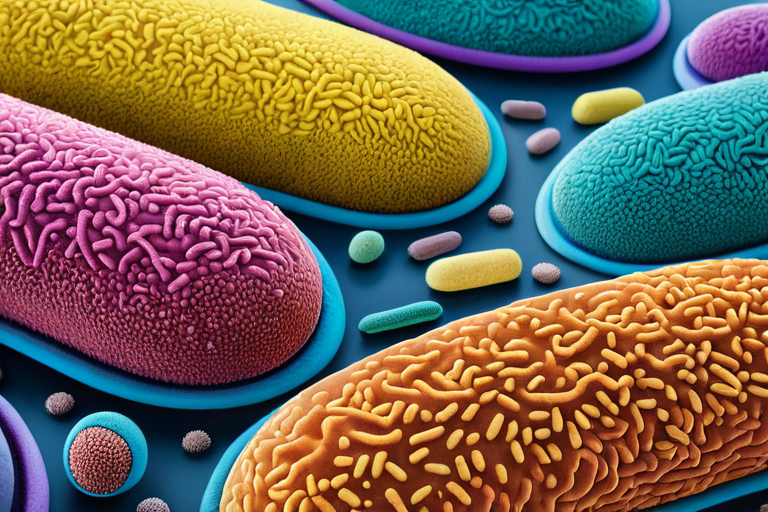
Visual representation of diverse microbial communities in pet digestive systems
The Microbial Universe Within Our Pets
Every pet carries within them a hidden universe of microorganisms that outnumber their own cells by approximately ten to one. This complex ecosystem, known as the microbiome, consists of trillions of bacteria, viruses, fungi, and other microbes that inhabit various parts of the body, with the gastrointestinal tract hosting the most diverse and influential community. Research from the American Veterinary Medical Association reveals that a healthy dog's gut contains over 1,000 different bacterial species, while cats maintain similarly complex microbial profiles.
The composition of these microbial communities varies significantly between species, breeds, and even individual animals. Studies published in Nature demonstrate that canine microbiomes share more similarities with human gut bacteria than with those of cats, reflecting their evolutionary history as omnivorous companions. This microbial diversity plays crucial roles in digestion, nutrient absorption, immune system development, and even neurological function.
Gut-Brain Axis: The Microbial Connection to Behavior
One of the most fascinating discoveries in recent veterinary science involves the gut-brain axis—a bidirectional communication system between the gastrointestinal tract and the central nervous system. Microbes in the gut produce neurotransmitters and other signaling molecules that can influence mood, anxiety levels, and cognitive function in pets. Research from the Cornell University College of Veterinary Medicine has shown that dogs with balanced gut microbiomes exhibit reduced anxiety behaviors and improved stress responses.
Key Microbial Metabolites
- Short-chain fatty acids: Produced by fiber-fermenting bacteria, these compounds reduce inflammation and support brain health
- Serotonin precursors: Gut bacteria produce tryptophan, which converts to serotonin—the "feel-good" neurotransmitter
- Gamma-aminobutyric acid (GABA): Certain Lactobacillus strains produce this calming neurotransmitter
- B vitamins: Microbial synthesis supports neurological function and energy metabolism
A groundbreaking study published in Veterinary Microbiology demonstrated that puppies receiving probiotic supplements showed enhanced learning abilities and reduced fear responses during socialization periods. The researchers identified specific bacterial strains, including Bifidobacterium longum and Lactobacillus rhamnosus, that appeared to modulate stress hormone production and improve cognitive performance.
Dietary Influences on Microbial Diversity
Nutrition represents the most significant factor shaping pet microbiomes. Different dietary components selectively feed specific bacterial populations, creating distinct microbial profiles. According to research from the Waltham Petcare Science Institute, dogs fed high-protein, low-carbohydrate diets develop microbiomes dominated by protein-fermenting bacteria, while those consuming higher fiber diets foster diverse communities of fiber-digesting microbes.
Diet-Microbiome Interactions
| Dietary Component | Microbial Response | Health Implications |
|---|---|---|
| Prebiotic fibers | Stimulates Bifidobacteria growth | Improved digestion, enhanced immunity |
| High-quality proteins | Supports diverse microbial communities | Optimal nutrient absorption |
| Omega-3 fatty acids | Reduces inflammatory bacteria | Decreased allergy symptoms |
| Polyphenols | Enhances beneficial bacteria | Antioxidant protection |
Recent investigations into raw feeding versus commercial diets reveal interesting microbial patterns. While raw diets often promote greater microbial diversity, they also carry risks of pathogenic bacteria. The FDA's Center for Veterinary Medicine recommends balanced approaches that incorporate both commercial and fresh foods to optimize microbiome health while minimizing risks.
Microbiome Development Through Life Stages
Pet microbiomes undergo dramatic transformations throughout different life stages, each phase presenting unique opportunities for microbial optimization. Newborn animals acquire their initial microbial inoculum during birth and through nursing, with maternal milk providing both nutrients and beneficial bacteria. Research from the University of California, Davis Veterinary School demonstrates that puppies and kittens receiving adequate maternal contact develop more resilient microbiomes with better immune function.

Microbial communities evolve significantly from puppyhood through senior years
Critical Developmental Windows
Neonatal Period (0-4 weeks): During this phase, microbial colonization establishes foundational communities. Environmental exposure, maternal contact, and early nutrition profoundly shape lifelong microbial patterns. Studies show that limited environmental diversity during this period can reduce microbial richness, potentially increasing susceptibility to allergies and autoimmune conditions.
Socialization Period (4-16 weeks): As young pets explore their environments and interact with other animals, they acquire diverse microbial strains. This period represents a crucial window for developing microbial resilience. Research indicates that puppies exposed to various environments during socialization develop microbiomes with greater functional capacity and disease resistance.
Adult Maintenance (1-7 years): Mature pets maintain relatively stable microbiomes, though dietary changes, medications, and environmental factors can cause shifts. Regular veterinary check-ups that include microbiome assessments can help maintain optimal microbial balance during these years.
Senior Years (7+ years): Aging pets often experience microbial changes characterized by reduced diversity and increased inflammatory bacteria. Targeted probiotic interventions and specialized senior diets can help mitigate age-related microbial decline, supporting cognitive function and mobility in older animals.
Therapeutic Applications and Future Directions
Understanding pet microbiomes has revolutionized approaches to various health conditions. Fecal microbiota transplantation (FMT), once considered experimental, now represents a promising treatment for recurrent gastrointestinal issues. Veterinary hospitals like the Cornell University Hospital for Animals report success rates exceeding 80% for FMT in treating chronic diarrhea cases unresponsive to conventional therapies.
Emerging Microbiome Therapies
- Targeted probiotics: Strain-specific formulations for anxiety, allergies, and digestive issues
- Prebiotic protocols: Customized fiber blends to nourish beneficial bacteria
- Post-antibiotic restoration: Microbial recovery programs after medication courses
- Microbiome testing: Commercial kits for home monitoring of microbial health
- Personalized nutrition: Diet formulations based on individual microbial profiles

The future of pet microbiome research holds exciting possibilities. Scientists at the Broad Institute are developing microbial biomarkers for early disease detection, potentially identifying conditions like inflammatory bowel disease or certain cancers months before clinical symptoms appear. Meanwhile, companies are creating next-generation probiotics that can colonize more effectively and produce therapeutic compounds within the gut environment.
Practical Recommendations for Pet Owners
While microbiome science continues to evolve, current knowledge supports several practical approaches for maintaining healthy pet microbiomes:
Evidence-Based Microbiome Support
1. Dietary Diversity: Incorporate various protein sources, fiber types, and whole foods to support diverse microbial communities. Rotate between different high-quality commercial foods and consider adding small amounts of fresh, pet-safe vegetables and fruits.
2. Probiotic Supplementation: Select veterinary-recommended probiotics containing clinically studied strains. Look for products with multiple bacterial species and adequate colony-forming units (CFUs). The AVMA recommends consulting with veterinarians for strain-specific recommendations based on individual pet needs.
3. Environmental Enrichment: Allow safe outdoor access and environmental exploration when possible. Exposure to diverse natural environments introduces beneficial microbial strains and supports immune system development.
4. Antibiotic Stewardship: Use antibiotics only when necessary and always complete prescribed courses. Follow antibiotic treatments with probiotic support to restore microbial balance. Discuss antibiotic alternatives with your veterinarian when appropriate.
5. Regular Veterinary Care: Schedule comprehensive check-ups that consider microbiome health. Some veterinary practices now offer microbiome testing as part of routine wellness exams, providing valuable insights into microbial balance and diversity.
Conclusion: Embracing the Microbial Partnership
The pet microbiome represents one of the most exciting frontiers in veterinary science, revealing intricate connections between microbial communities and overall health. As research continues to unravel these complex relationships, pet owners and veterinary professionals gain powerful tools for enhancing animal well-being through microbial management.
By understanding and supporting these hidden microbial ecosystems, we can promote not only digestive health but also improved behavior, stronger immunity, and enhanced quality of life for our animal companions. The microscopic world within our pets, once overlooked, now stands recognized as a vital partner in their health and happiness—a testament to the interconnectedness of all living systems.
References and Further Reading:
- American Veterinary Medical Association. (2023). Microbiome Research in Veterinary Medicine. Retrieved from avma.org
- Suchodolski, J. S. (2022). The Canine Gut Microbiome in Health and Disease. Veterinary Clinics of North America: Small Animal Practice.
- Waltham Petcare Science Institute. (2023). Nutritional Modulation of Pet Microbiomes. Retrieved from waltham.com
- University of California, Davis. (2023). Life Stage Microbiome Development in Companion Animals. Veterinary Medicine Research Reports.