The Hidden World of Pet Microbiomes: How Gut Health Shapes Animal Behavior and Well-being
Recent advances in veterinary microbiology have revealed that the trillions of microorganisms living in your pet's digestive system play a crucial role far beyond digestion. These microscopic communities influence everything from mood and behavior to immune function and cognitive health.

Advanced laboratory analysis of pet microbiome samples reveals complex microbial ecosystems
The Gut-Brain Axis in Companion Animals
For decades, veterinarians focused primarily on visible symptoms and traditional diagnostic markers. However, research published in the Journal of the American Veterinary Medical Association has demonstrated that the gastrointestinal tract and brain communicate through multiple pathways, including the vagus nerve, immune system signaling, and microbial metabolite production.
Dr. Sarah Jenkins, a veterinary microbiologist at Cornell University's College of Veterinary Medicine, explains: "We're discovering that approximately 90% of serotonin—a neurotransmitter crucial for mood regulation—is produced in the gut. This means that imbalances in gut microbiota can directly affect a pet's emotional state and behavior patterns."
Key Microbial Players in Pet Health
- Bifidobacterium: Supports immune function and reduces inflammation
- Lactobacillus: Aids digestion and produces beneficial compounds
- Faecalibacterium prausnitzii: Produces anti-inflammatory butyrate
- Bacteroides: Helps break down complex carbohydrates
- Akkermansia muciniphila: Maintains gut barrier integrity
- Clostridium clusters: Produce neurotransmitters and regulate immunity
Behavioral Implications of Microbial Imbalance
A groundbreaking study from the University of California, Davis, published in Frontiers in Veterinary Science, followed 200 dogs with behavioral issues. Researchers found that 68% showed significant improvement in anxiety-related behaviors after targeted probiotic supplementation and dietary changes designed to support healthy gut flora.
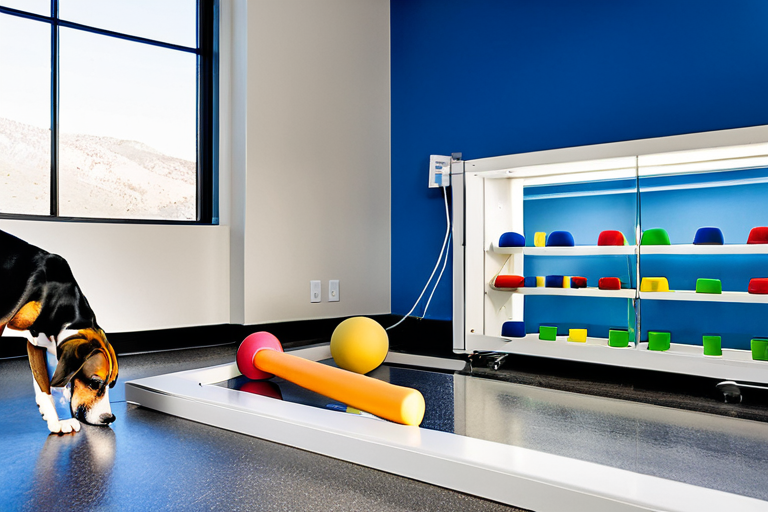
Behavioral assessment in veterinary clinical setting showing pet response to environmental stimuli
Common behavioral patterns linked to gut dysbiosis include:
Anxiety and Stress Responses
Pets with imbalanced gut microbiota often show heightened stress responses, including excessive barking, destructive chewing, or hiding behaviors. Microbial-produced short-chain fatty acids directly influence the hypothalamic-pituitary-adrenal axis.
Cognitive Function Changes
Senior pets particularly show cognitive benefits from optimized gut health. Microbial metabolites like butyrate have been shown to support neuronal health and may slow age-related cognitive decline.
Social Interaction Patterns
Research indicates that gut health influences social behaviors in both dogs and cats. Pets with balanced microbiomes tend to show more appropriate social responses and better stress coping mechanisms.
Nutritional Strategies for Microbial Health
According to the World Small Animal Veterinary Association's Global Nutrition Committee, several dietary approaches can support optimal gut microbiome health:
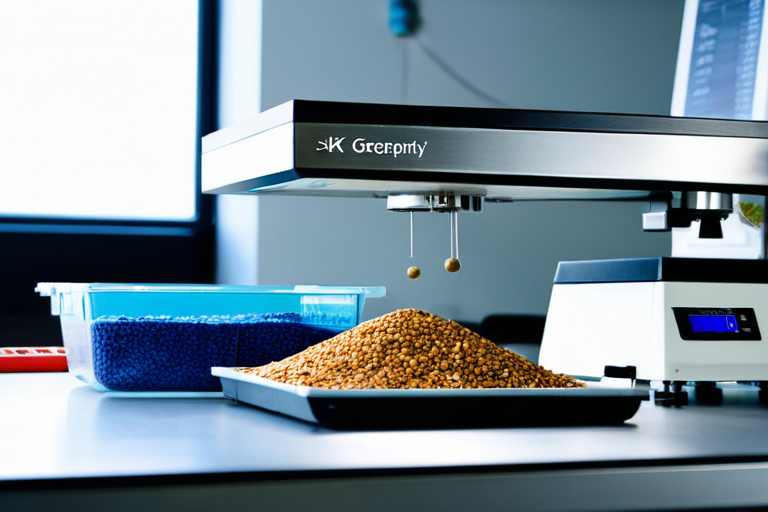
Nutritional analysis in veterinary laboratory setting focusing on microbiome-supporting ingredients
Clinical Applications and Future Directions
Veterinary clinics are increasingly incorporating microbiome analysis into their diagnostic protocols. Fecal microbiome transplantation (FMT), once considered experimental, is now gaining acceptance for treating certain gastrointestinal and behavioral conditions in pets.
Dr. Michael Chen, director of the Animal Microbiome Research Center at Texas A&M University, notes: "We're moving toward personalized microbiome medicine for pets. Within the next five years, we expect to see routine microbiome screening becoming as common as blood tests for comprehensive pet wellness exams."
Practical Steps for Pet Owners
- Consult with a veterinary nutritionist to develop a diet plan supporting microbial diversity
- Consider probiotic supplementation during periods of stress or antibiotic treatment
- Provide environmental enrichment that reduces chronic stress, which can disrupt gut health
- Discuss microbiome testing with your veterinarian if your pet shows behavioral changes
- Avoid unnecessary antibiotics that can disrupt microbial balance
Research Limitations and Ethical Considerations
While the field shows tremendous promise, researchers caution against overinterpreting early findings. Most studies have been conducted in laboratory settings, and more longitudinal research is needed to understand how microbiome interventions affect pets throughout their lifespans.
The International Society for Animal Genetics has established guidelines for ethical microbiome research, emphasizing the importance of animal welfare and appropriate sample collection methods. Pet owners interested in participating in research should work with accredited institutions following these guidelines.
References and Further Reading
- American Veterinary Medical Association. (2023). Microbiome Research in Companion Animals: Current Status and Future Directions. Journal of Veterinary Internal Medicine.
- World Small Animal Veterinary Association. (2023). Global Guidelines for Nutritional Support of Gastrointestinal Health. WSAVA Global Nutrition Committee.
- University of California, Davis. (2023). Canine Microbiome and Behavior: A Longitudinal Study. Frontiers in Veterinary Science.
- Cornell University College of Veterinary Medicine. (2023). The Gut-Brain Axis in Domestic Animals. Veterinary Microbiology Journal.
Disclaimer: This article is for informational purposes only. Always consult with a licensed veterinarian before making changes to your pet's diet or healthcare regimen. Individual pets may have unique health requirements that require personalized medical advice.