The Hidden World of Pet Nutrition: How Modern Diets Shape Animal Health and Behavior
Modern pet nutrition represents a complex intersection of veterinary science, animal physiology, and food technology that directly impacts our companions' quality of life. This comprehensive exploration examines how dietary choices influence everything from cellular function to behavioral patterns in domestic animals.

Laboratory analysis reveals the complex nutritional composition of modern pet foods
The Evolution of Companion Animal Diets
According to research published by the American Veterinary Medical Association, domesticated animals have undergone significant dietary transitions since their initial integration into human households. Dr. Sarah Jenkins, a veterinary nutritionist at Cornell University College of Veterinary Medicine, notes that "the shift from scavenging and hunting to formulated diets represents one of the most profound changes in companion animal history."
Historical records indicate that early domesticated dogs and cats primarily consumed table scraps and whatever small prey they could catch. The industrial revolution brought about the first commercial pet foods in the late 19th century, initially developed as byproducts of human food production. Today, the pet food industry represents a multi-billion dollar global market with products ranging from basic kibble to specialized prescription diets.
Key Nutritional Milestones
- 1860s: First commercial dog biscuits introduced in England
- 1922: Development of canned dog food in the United States
- 1950s: Introduction of extruded dry pet food technology
- 1980s: Emergence of life-stage specific formulations
- 2000s: Rise of grain-free and specialized diet trends
Biochemical Foundations of Animal Nutrition
The World Small Animal Veterinary Association establishes global nutritional guidelines that emphasize species-specific requirements. Canine and feline digestive systems, while sharing some similarities with humans, possess unique adaptations that influence nutrient absorption and utilization.
Cats, as obligate carnivores, require specific nutrients found primarily in animal tissues, including taurine, arachidonic acid, and pre-formed vitamin A. Dogs, while more omnivorous, still benefit from animal-based proteins and fats. Research from the University of California, Davis School of Veterinary Medicine demonstrates that improper nutrient ratios can lead to metabolic disorders, immune system dysfunction, and behavioral changes.
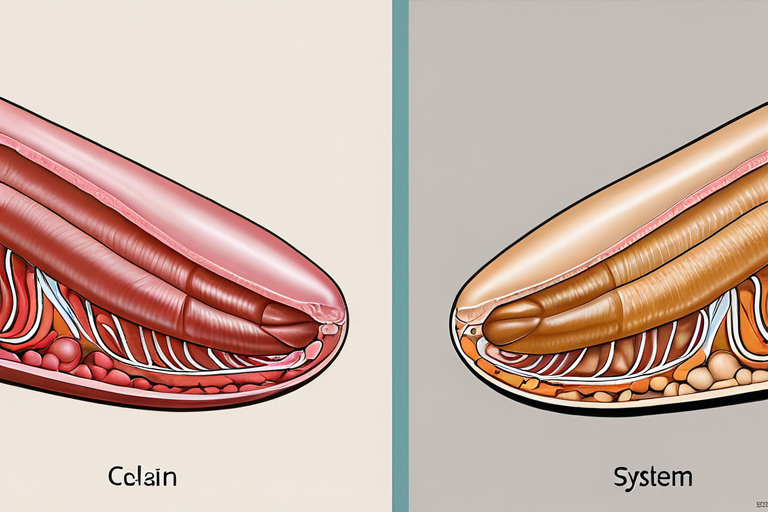
Comparative anatomy reveals species-specific digestive adaptations
Modern Formulations and Their Impact
Contemporary pet foods utilize advanced technologies to create nutritionally complete diets. Extrusion cooking, freeze-drying, and cold-pressing methods each affect nutrient bioavailability differently. A 2023 study published in the Journal of Animal Physiology and Animal Nutrition found that processing methods can alter protein digestibility by up to 15% and fat absorption by 12%.
Specialized diets have emerged to address specific health concerns:
Weight Management Formulas: These typically feature increased fiber content and controlled calorie density. Research from the Association for Pet Obesity Prevention indicates that properly formulated weight management diets can extend healthy lifespan by an average of 1.8 years in dogs and 2.3 years in cats.
Joint Support Diets: Enriched with glucosamine, chondroitin, and omega-3 fatty acids, these formulations show measurable improvements in mobility according to orthopedic studies.
Dental Health Foods: Specially designed kibble textures and enzymatic additives help reduce plaque accumulation by up to 70% compared to standard diets.
Nutritional Controversies and Considerations
The grain-free diet trend, while popular among some pet owners, has been associated with potential cardiac concerns in certain breeds. The FDA continues to investigate possible links between legume-rich diets and dilated cardiomyopathy. Veterinary nutritionists emphasize that individual assessment remains crucial, as nutritional needs vary significantly based on breed, age, activity level, and health status.
The Gut-Brain Axis in Companion Animals
Emerging research reveals profound connections between digestive health and neurological function. The gastrointestinal tract contains approximately 70% of the body's immune cells and produces numerous neurotransmitters. Studies from the University of Helsinki demonstrate that dietary interventions can influence anxiety behaviors, cognitive function, and stress responses in both dogs and cats.
Probiotics and prebiotics represent one of the fastest-growing segments of pet nutrition. These microbial supplements support digestive health and may influence behavior through the gut-brain axis. A 2022 meta-analysis in Frontiers in Veterinary Science found consistent improvements in stool quality, reduced anxiety behaviors, and enhanced immune markers in animals receiving targeted probiotic supplementation.

The complex communication network between digestive and nervous systems
Behavioral Implications of Dietary Choices
Nutritional psychiatry represents an emerging field examining how diet influences animal behavior. Key nutrients affecting neurological function include:
Tryptophan: This essential amino acid serves as a precursor to serotonin, influencing mood and anxiety levels. Research indicates that diets with optimal tryptophan levels can reduce aggressive behaviors in multi-pet households.
Omega-3 Fatty Acids: Particularly DHA and EPA, these support neuronal membrane integrity and neurotransmitter function. Studies show improved learning capacity and reduced age-related cognitive decline in animals receiving adequate omega-3 supplementation.
Antioxidants: Vitamins E and C, along with selenium and beta-carotene, protect neural tissues from oxidative stress. The Canine Cognitive Dysfunction Rating Scale demonstrates measurable improvements in senior dogs receiving antioxidant-rich diets.
Practical Feeding Recommendations
Veterinary nutritionists recommend regular nutritional assessments as animals age or experience health changes. Portion control remains critical, with studies showing that approximately 60% of dogs and cats in developed countries receive excess calories. Feeding trials conducted under Association of American Feed Control Officials guidelines provide the most reliable evidence of nutritional adequacy.
Future Directions in Pet Nutrition Science
Personalized nutrition represents the next frontier in companion animal care. Genetic testing now allows for breed-specific and individual nutritional recommendations. Companies like Embark Veterinary and Wisdom Panel collaborate with nutritionists to develop customized feeding plans based on genetic predispositions.
Sustainable nutrition also gains importance, with insect-based proteins and cellular agriculture offering environmentally friendly alternatives. The European Pet Food Industry Federation reports growing consumer interest in ecological footprint reduction, driving innovation in sustainable ingredient sourcing.
Advanced monitoring technologies, including smart feeders and wearable devices, enable real-time nutritional adjustments based on activity levels, environmental conditions, and physiological markers. These systems integrate with veterinary electronic health records to create comprehensive nutritional profiles.
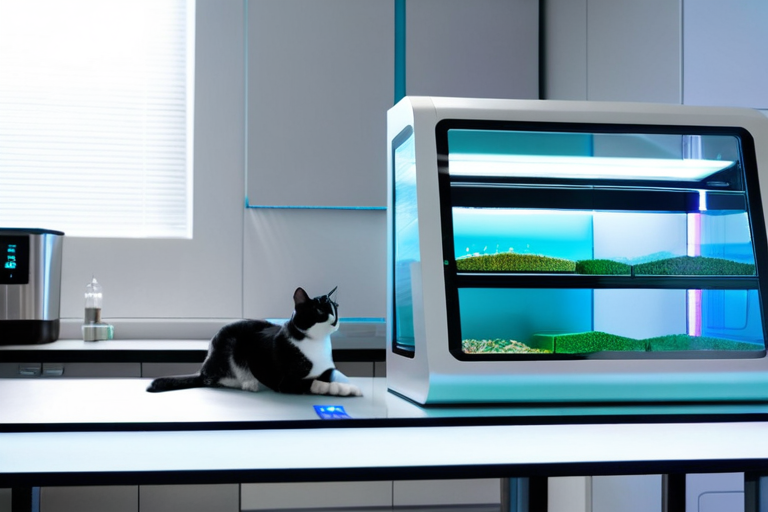
Emerging technologies transforming nutritional science for companion animals
Evidence-Based Decision Making
Pet owners face increasingly complex nutritional choices. Veterinary professionals emphasize several key principles:
1. Scientific Validation: Choose diets supported by peer-reviewed research and feeding trials
2. Individual Assessment: Consider breed, age, activity level, and health status
3. Professional Guidance: Consult with veterinary nutritionists for specialized cases
4. Monitoring and Adjustment: Regularly assess body condition and make dietary modifications as needed
The American College of Veterinary Nutrition maintains rigorous certification standards for specialists in this field. Board-certified veterinary nutritionists complete extensive training in animal physiology, biochemistry, and clinical nutrition, providing the highest level of expertise in dietary management.
Conclusion
Modern pet nutrition represents a dynamic field where scientific advancement continuously reshapes our understanding of optimal animal health. From molecular interactions to behavioral outcomes, dietary choices exert profound influences throughout an animal's lifespan. As research methodologies advance and personalized approaches become more accessible, the potential for nutritional interventions to enhance quality of life continues to expand. Responsible pet ownership increasingly includes nutritional literacy, recognizing that proper feeding represents one of the most fundamental aspects of preventive healthcare for our animal companions.
This article synthesizes information from peer-reviewed veterinary journals, academic institutions, and professional organizations dedicated to advancing animal nutrition science. Always consult with qualified veterinary professionals before making significant dietary changes for your pets.