The Hidden World of Reptile Companionship: Understanding the Complexities of Herpetological Care
Reptiles represent one of the most misunderstood and fascinating categories of companion animals. While dogs and cats dominate household pet statistics, reptiles have quietly established themselves as beloved companions for millions of people worldwide. According to the American Veterinary Medical Association, approximately 4.5 million households in the United States alone include reptiles as pets, with numbers steadily increasing each year.
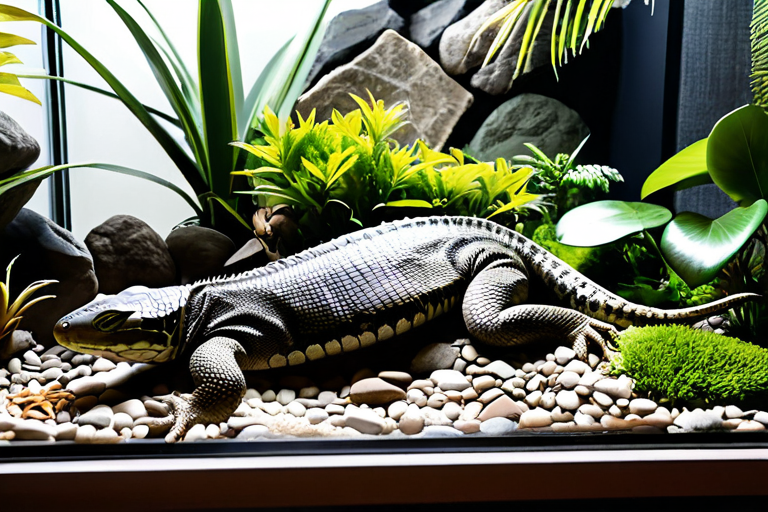
A properly designed terrarium provides essential environmental enrichment for captive reptiles
The Behavioral Complexity of Reptilian Companions
Contrary to popular belief, reptiles exhibit complex behaviors that challenge traditional notions of pet intelligence and emotional capacity. Research published in the Journal of Animal Behaviour demonstrates that many reptile species possess problem-solving abilities, social recognition, and even forms of communication that were previously unrecognized.
Bearded dragons, for instance, have been observed displaying distinct behavioral patterns in response to different human caregivers. A study conducted by the Royal Society for the Prevention of Cruelty to Animals found that these lizards can differentiate between familiar and unfamiliar humans, often showing preference for their primary caregivers through specific body language and behavioral responses.
Key Behavioral Indicators in Reptiles:
- Thermoregulation Behavior: Movement between warm and cool areas indicates environmental awareness
- Feeding Response: Specific movements and postures associated with feeding times
- Social Interaction: Some species exhibit group behaviors and hierarchy establishment
- Environmental Exploration: Regular patrolling and investigation of enclosure features
Essential Care Requirements for Reptile Health
Proper reptile care extends far beyond basic feeding and enclosure maintenance. The Association of Reptilian and Amphibian Veterinarians emphasizes that successful reptile ownership requires understanding and replicating specific environmental conditions that mimic natural habitats.

Specialized lighting systems are crucial for reptile health and well-being
Temperature and Humidity Management
Reptiles are ectothermic creatures, meaning they rely on external heat sources to regulate their body temperature. Creating appropriate thermal gradients within enclosures is essential for metabolic function, digestion, and overall health. Different species require specific temperature ranges, with desert species like leopard geckos needing basking spots around 90°F (32°C), while tropical species like green iguanas require consistent temperatures between 80-85°F (27-29°C).
Humidity control represents another critical aspect of reptile care. According to guidelines from Reptiles Magazine, improper humidity levels can lead to respiratory infections, shedding difficulties, and dehydration. Species-specific requirements vary dramatically, from the 30-40% humidity preferred by bearded dragons to the 60-80% humidity needed by many tropical snake species.
Nutritional Considerations
Reptile nutrition is remarkably diverse and species-specific. The Merck Veterinary Manual outlines several key nutritional categories:
Insectivorous Species
Require varied insect diets supplemented with calcium and vitamins. Common feeder insects include crickets, mealworms, and dubia roaches.
Herbivorous Species
Need diverse plant matter including dark leafy greens, vegetables, and occasional fruits. Calcium supplementation remains crucial.
Carnivorous Species
Typically consume whole prey items like rodents or fish, providing complete nutritional profiles when properly sourced.
The Human-Reptile Bond: Beyond Conventional Pet Relationships
While reptiles may not express affection in ways familiar to mammal owners, they form distinct bonds with their human caregivers. Research from the Psychology Today Animal Behavior Center suggests that reptiles can recognize individual humans, show preference for familiar handlers, and exhibit reduced stress responses when handled by trusted caregivers.
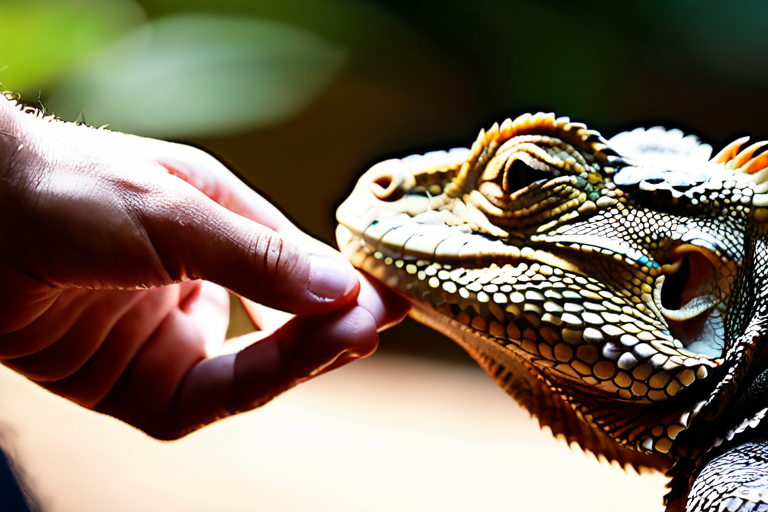
Building trust through gentle, consistent handling creates meaningful human-reptile relationships
Many reptile owners report observing what appears to be recognition and anticipation behaviors. Snakes may become more active when their primary caregiver enters the room, while turtles often approach the front of their enclosures during regular feeding times. These behaviors, while different from mammalian expressions of attachment, represent meaningful interactions within the context of reptilian neurology and behavior patterns.
Common Signs of Reptile Contentment
- Regular, healthy feeding responses
- Normal shedding cycles without complications
- Active exploration of enclosure during appropriate times
- Relaxed body posture during handling
- Clear, bright eyes and healthy skin condition
Health Monitoring and Veterinary Care
Regular health monitoring is essential for reptile companions, as they often hide signs of illness until conditions become advanced. The Association of Avian Veterinarians (which includes reptile specialists) recommends annual wellness exams for healthy reptiles and immediate veterinary attention for any concerning symptoms.
Warning Signs Requiring Veterinary Attention:
- Sudden weight loss or refusal to eat
- Difficulty breathing or wheezing sounds
- Prolonged periods of inactivity or lethargy
- Abnormal stool consistency or color
- Visible parasites or skin abnormalities
- Difficulty shedding or retained shed
Preventative Health Measures
Proactive health management includes several key practices:
- Regular enclosure cleaning: Prevent bacterial and fungal growth through proper sanitation
- Quarantine procedures: Isolate new reptiles for 30-90 days before introducing to existing collections
- Parasite prevention: Regular fecal examinations and appropriate treatment when needed
- Environmental enrichment: Provide mental stimulation through varied enclosure layouts and safe exploration opportunities
Ethical Considerations in Reptile Ownership
The ethical dimensions of reptile companionship require careful consideration. According to the Humane Society of the United States, prospective reptile owners should consider several factors before acquiring these unique companions.
Source Considerations
Choose captive-bred animals from reputable breeders rather than wild-caught specimens. Captive breeding supports conservation efforts and typically results in healthier, better-adjusted animals.
Lifespan Awareness
Many reptile species have surprisingly long lifespans. Some tortoises can live over 50 years, while many snake species regularly reach 20-30 years with proper care.
Space Requirements
Consider adult size when selecting species. Many reptiles sold as juveniles grow significantly, requiring larger enclosures than initially anticipated.

Proper enclosure design considers both current and future space requirements
The Future of Reptile Companionship
As our understanding of reptile behavior and physiology continues to evolve, so too does the practice of responsible reptile ownership. Emerging research from institutions like the Smithsonian's National Zoo and Conservation Biology Institute is revealing previously unrecognized aspects of reptilian cognition and social behavior.
Advancements in enclosure technology, lighting systems, and nutritional science are making it increasingly possible to provide optimal care for these fascinating animals. Simultaneously, growing awareness of conservation issues is encouraging more ethical practices within the reptile community, from supporting captive breeding programs to participating in citizen science initiatives that contribute to broader conservation efforts.
Final Considerations
Reptile companionship offers a unique window into a world of biological diversity and behavioral complexity. While these animals require specialized care and understanding, they reward dedicated owners with fascinating insights into alternative forms of animal intelligence and the opportunity to form bonds across significant biological divides. As with any pet ownership, success lies in education, preparation, and commitment to providing species-appropriate care throughout the animal's lifetime.