The Leash Debate: Balancing Safety and Freedom for Dogs
In the world of dog ownership, few topics spark as much passionate discussion as the use of leashes. What begins as a simple piece of equipment transforms into a complex conversation about safety, training, legal requirements, and canine psychology. This comprehensive guide explores the multifaceted aspects of leashing dogs, drawing from veterinary science, behavioral research, and legal frameworks.
The Safety Imperative: Why Leashes Save Lives
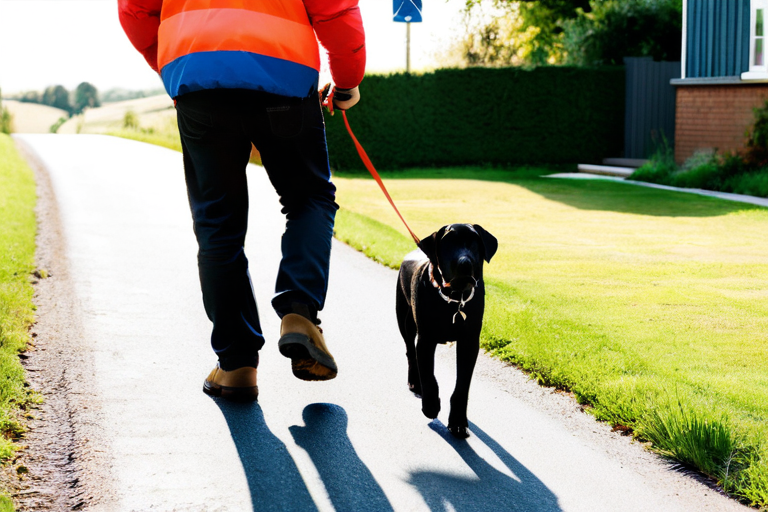
Beyond traffic dangers, leashes prevent numerous other hazards:
- Wildlife encounters: Unleashed dogs may chase wildlife, leading to injuries from animals or hazardous terrain
- Toxic substances: Leashes allow owners to prevent dogs from consuming dangerous materials
- Getting lost: The ASPCA reports that leashed dogs are 80% less likely to become lost or stolen
- Inter-dog conflicts: Controlled introductions prevent potentially dangerous encounters
Legal Landscape: Understanding Leash Laws
Municipal regulations vary significantly, but most urban and suburban areas enforce leash laws. The Humane Society of the United States maintains a comprehensive database showing that approximately 85% of U.S. municipalities require leashes in public spaces.
Legal Note: Violating leash laws can result in fines ranging from $50 to $500, depending on jurisdiction. In cases where unleashed dogs cause injuries or property damage, owners may face civil liability and significantly higher penalties.
Behavioral Considerations: The Psychology of Leashing
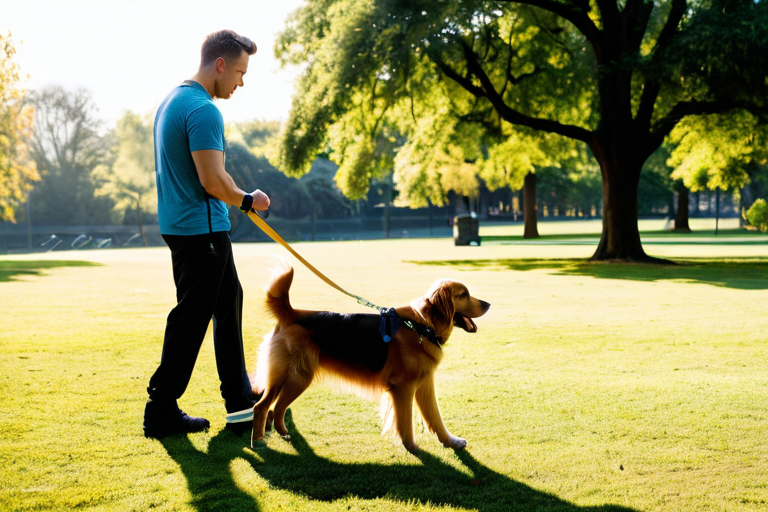
The Off-Leash Alternative: When and Where It Works
While leashes provide essential safety in most situations, designated off-leash areas serve important functions:
Appropriate Off-Leash Environments
- Fully enclosed dog parks with double-gate systems
- Private, securely fenced properties
- Designated wilderness areas permitting off-leash dogs
- Beaches with specific off-leash hours
Prerequisites for Off-Leash Freedom
- Reliable recall command in distracting environments
- Proper socialization with people and other dogs
- Understanding of local regulations
- Visual contact maintained at all times
Equipment Guide: Choosing the Right Leash
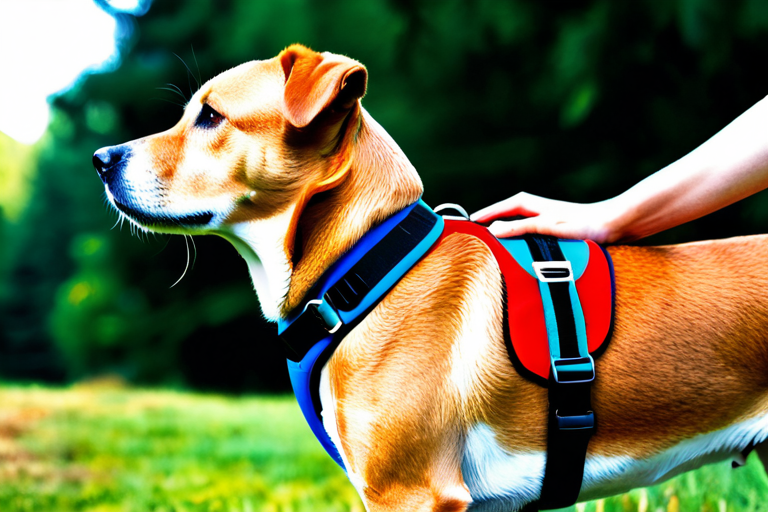
Not all leashes are created equal. The American Kennel Club recommends different equipment based on dog size, training level, and activity type:
Special Considerations: Exceptions and Adaptations
While leashes are generally recommended, certain situations require special approaches:
Service and Working Dogs
Under the Americans with Disabilities Act (ADA), service dogs may work without leashes when performing specific tasks. However, most handlers use leashes in public spaces for identification and control.
Senior and Disabled Dogs
Older dogs or those with mobility issues may benefit from shorter, lighter leashes that provide support without strain. Consult with your veterinarian about appropriate equipment for dogs with arthritis or other conditions.
Reactive Dogs
For dogs with fear or aggression issues, double-leash systems provide added security. Behavior modification programs should accompany proper equipment use.
The Future of Canine Containment: Emerging Technologies
Innovation continues to transform how we manage dog safety:
GPS Tracking Systems
Lightweight GPS devices attach to collars, providing real-time location data without physical tethers.
Virtual Fencing
Boundary systems using vibration or sound cues create invisible containment areas.
Smart Leashes
Bluetooth-enabled leashes monitor tension, distance, and provide training feedback.
Conclusion: A Balanced Approach
The leash debate ultimately centers on responsible ownership rather than absolute rules. While leashes provide crucial safety benefits in most public settings, appropriate off-leash opportunities contribute to canine well-being when managed responsibly. The most successful dog owners view leashes not as restrictions, but as tools that enable safe exploration and strengthen the human-canine bond.
As research from the Cummings School of Veterinary Medicine at Tufts University demonstrates, the key lies in matching equipment and freedom levels to individual dogs, environments, and circumstances. By understanding both the science and practical considerations of leashing, owners can make informed decisions that prioritize safety while respecting canine nature.
References & Further Reading:
- American Veterinary Medical Association. (2023). Pet Safety Statistics.
- Humane Society of the United States. (2023). Understanding Leash Laws.
- Journal of Veterinary Behavior. (2022). Effects of Leash Training on Canine Anxiety.
- American Kennel Club. (2023). Complete Guide to Dog Leashes and Collars.