The Social Architecture of Rabbit Communities
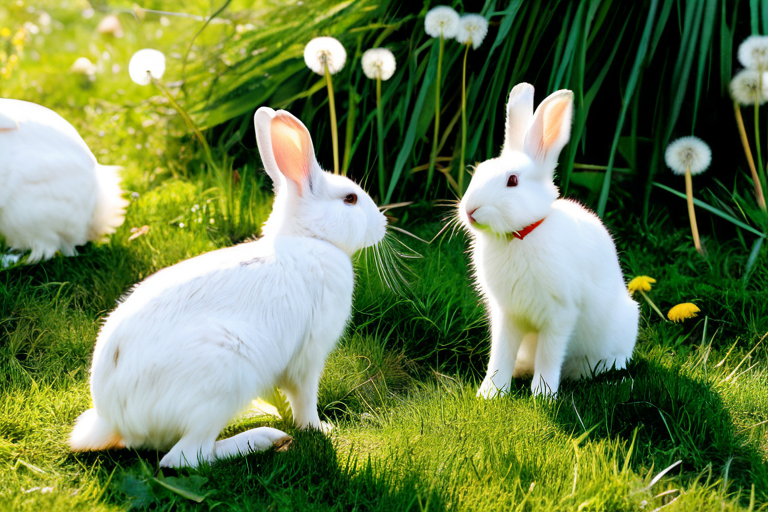
Rabbits exhibit complex social hierarchies that mirror their wild counterparts
Contrary to popular belief, rabbits are not solitary creatures by nature. Research from the American Veterinary Medical Association indicates that wild European rabbits, the ancestors of most domestic breeds, live in sophisticated warren communities with established hierarchies. Domestic rabbits retain these social instincts, often forming bonded pairs or small groups with clear dominance structures.
Dr. Emily Thompson, a veterinary behaviorist specializing in exotic pets, notes: "Rabbits establish complex relationships through subtle behaviors. Grooming rituals, shared resting spaces, and food sharing all serve as social glue. The dominant rabbit typically initiates grooming sessions and controls access to preferred resting areas, while subordinate rabbits demonstrate deference through specific body postures."
Communication Beyond the Obvious
Rabbit communication extends far beyond the familiar thumping of hind legs. According to studies published in the Journal of Applied Animal Behaviour Science, rabbits employ a sophisticated repertoire of signals:
- Tooth Purring: A soft grinding sound indicating contentment, often heard during petting or when rabbits are relaxed in their environment
- Chinning: Rabbits rub their chin glands on objects, people, or other rabbits to mark territory with scent pheromones
- Binkying: Sudden leaps and twists in the air that signal pure joy and comfort in their surroundings
- Nose Bonking: Gentle nudges with the nose that can mean "pay attention to me" or serve as affectionate greeting
- Flopping: Dramatically falling onto their side, indicating complete relaxation and trust in their environment

Understanding rabbit body language requires observing subtle cues and postures
Cognitive Capabilities and Learning Patterns
Recent research from the House Rabbit Society challenges the notion that rabbits are simple creatures. Studies demonstrate that rabbits can learn their names, respond to verbal cues, and even solve basic puzzles for food rewards. Their spatial memory is particularly developed, allowing them to navigate complex environments and remember safe pathways.
"Rabbits possess what we call 'environmental intelligence,'" explains animal cognition researcher Dr. Marcus Chen. "They create detailed mental maps of their territory, remember locations of resources, and recognize patterns in daily routines. This cognitive ability stems from their evolutionary history as prey animals who needed to quickly learn and remember escape routes."
Training and Enrichment Strategies
Positive reinforcement training using clickers or verbal markers can effectively teach rabbits various behaviors. The ASPCA recommends starting with simple commands like "come" using favorite treats, gradually progressing to more complex tasks. Environmental enrichment should include puzzle feeders, digging boxes, and regularly rotated toys to stimulate natural behaviors.
The Importance of Proper Housing and Socialization
Traditional small cages fail to meet rabbits' physical and psychological needs. Veterinary guidelines from the American Animal Hospital Association recommend spacious enclosures with separate areas for eating, sleeping, and elimination, supplemented by daily supervised exercise in rabbit-proofed spaces.

Optimal rabbit habitats provide space for natural behaviors and environmental exploration
Social needs vary among individual rabbits. While many thrive with same-species companionship, proper introductions require careful management. The bonding process typically involves neutral territory meetings, gradual exposure, and close observation for compatibility signs. Some rabbits prefer human companionship over rabbit partners, particularly if socialized extensively with people during their early development.
Nutritional Considerations and Digestive Health
Rabbit digestive systems represent marvels of evolutionary adaptation. As hindgut fermenters, they require constant fiber intake to maintain gut motility and prevent potentially fatal conditions like gastrointestinal stasis. The AVMA emphasizes that a proper rabbit diet consists primarily of high-quality hay (timothy, orchard grass, or oat hay), supplemented with fresh leafy greens and limited pellets.
Dr. Sarah Johnson, an exotic animal veterinarian, warns: "Many commercial rabbit foods contain excessive carbohydrates and insufficient fiber. These diets contribute to obesity, dental problems, and digestive issues. Rabbit teeth grow continuously throughout their lives, requiring the abrasive action of hay chewing to maintain proper length and alignment."

Proper nutrition forms the foundation of rabbit health and longevity
Behavioral Indicators of Health and Well-being
Rabbits, as prey species, instinctively hide signs of illness until conditions become severe. Knowledgeable owners learn to recognize subtle behavioral changes that may indicate health issues. Reduced activity, changes in eating or drinking patterns, altered litter box habits, or unusual aggression can all signal underlying problems requiring veterinary attention.
The Rabbit Welfare Association & Fund emphasizes regular health checks, including monitoring weight, checking teeth alignment, and observing for any changes in grooming habits. Annual veterinary examinations by practitioners experienced with rabbits can detect issues early, when treatment is most effective.
Understanding the Complete Rabbit
Domestic rabbits represent complex companions whose needs extend beyond basic husbandry. Their rich behavioral repertoire, social requirements, and specialized physiology demand informed care from dedicated owners. By understanding rabbit communication, respecting their social nature, and providing appropriate environments, humans can develop deeply rewarding relationships with these intelligent lagomorphs. As research continues to reveal the depth of rabbit cognition and emotional capacity, our appreciation for these unique companions grows, challenging us to provide care that honors their complexity.
Further resources for rabbit enthusiasts include the House Rabbit Society's educational materials, veterinary journals specializing in exotic pets, and ongoing behavioral research from institutions studying animal cognition and welfare.