The Therapeutic Power of Animal Companionship: How Pets Enhance Human Well-being
Research consistently demonstrates that the human-animal bond extends far beyond simple companionship, offering measurable physiological and psychological benefits that are increasingly recognized in clinical settings worldwide.
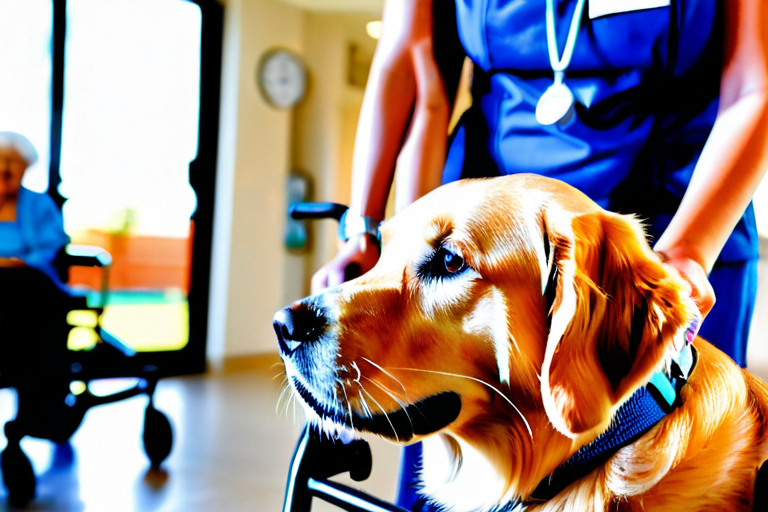
A certified therapy dog interacting with patients in a healthcare facility
The Science Behind the Human-Animal Bond
According to a comprehensive meta-analysis published in the American Psychological Association journal, interactions with animals trigger the release of oxytocin, often called the "love hormone," while simultaneously reducing cortisol levels—the primary stress hormone. This biochemical response creates a natural calming effect that researchers have documented across diverse populations.
Dr. Rebecca Johnson, director of the Research Center for Human-Animal Interaction at the University of Missouri, explains: "When humans interact with friendly animals, we see immediate reductions in blood pressure, heart rate, and anxiety levels. These aren't just subjective feelings—they're measurable physiological changes that can have significant health implications."
Key Physiological Benefits Documented in Clinical Studies:
- Average 10% reduction in blood pressure during pet interactions
- Significant decrease in triglyceride and cholesterol levels
- Improved cardiovascular recovery after stressful events
- Enhanced immune system function through increased immunoglobulin A
- Reduced perception of pain in chronic conditions
- Improved motor skills and coordination in rehabilitation settings
Animal-Assisted Therapy in Clinical Practice
The National Institutes of Health has funded numerous studies examining the efficacy of animal-assisted interventions across various medical contexts. In pediatric oncology wards, therapy animals have been shown to reduce anxiety by up to 37% during painful procedures. Similarly, in geriatric care facilities, regular animal visits correlate with a 28% decrease in depressive symptoms among residents.
Certification programs for therapy animals have become increasingly standardized, with organizations like Pet Partners and Therapy Dogs International establishing rigorous evaluation protocols. These programs assess temperament, obedience, and adaptability to ensure animals can safely navigate diverse clinical environments.
Mental Health Applications and Emotional Support Animals
The mental health benefits of animal companionship are particularly well-documented. A longitudinal study published in the Journal of Psychiatric Research followed 2,500 participants over five years and found that pet owners reported:
Reduced Anxiety & Depression
42% lower incidence of clinical depression compared to non-pet owners, with particular benefits noted among individuals living alone.
Enhanced Social Connectivity
Pet owners reported 35% more social interactions and stronger community ties, countering social isolation.
Improved Stress Management
Better cortisol regulation and faster recovery from stressful events, with measurable differences in heart rate variability.
Emotional Support Animals (ESAs) represent a specific application of these benefits. While distinct from service animals, ESAs provide therapeutic support through companionship for individuals with diagnosed mental health conditions. The Americans with Disabilities Act provides specific guidelines for their accommodation, though regulations continue to evolve based on ongoing research.
Specialized Therapeutic Applications
Autism Spectrum Interventions
Research from the Autism Speaks organization demonstrates that specially trained therapy dogs can help children with autism spectrum disorder improve social interaction, communication skills, and emotional regulation. The predictable, non-judgmental nature of animal interactions creates a safe space for developing these crucial skills.
Dementia and Alzheimer's Care
In memory care facilities, animal-assisted therapy has shown remarkable results. A study published in the Journal of Alzheimer's Disease found that regular interactions with therapy animals:
- Reduced agitation and aggression by 48%
- Improved nutritional intake through mealtime companionship
- Enhanced verbal communication and social engagement
- Provided non-pharmacological intervention for sundowning symptoms

Companion animals providing comfort in senior living communities
Trauma Recovery and PTSD Treatment
Service dogs specifically trained for post-traumatic stress disorder (PTSD) represent one of the most sophisticated applications of animal-assisted therapy. These dogs learn to:
- Interrupt anxiety attacks through tactile stimulation
- Create physical boundaries in crowded spaces
- Provide grounding during dissociative episodes
- Perform room searches for individuals with hypervigilance
The Department of Veterans Affairs has implemented several pilot programs studying the efficacy of PTSD service dogs, with preliminary results showing significant reductions in symptom severity and improved quality of life metrics.
Implementing Animal-Assisted Interventions: Best Practices
Successful integration of animal-assisted therapy requires careful planning and adherence to established protocols. Key considerations include:
Animal Selection and Training
Therapy animals must undergo comprehensive temperament testing and specialized training. Certification through recognized organizations ensures animals can handle the unique demands of clinical environments.
Infection Control Protocols
Healthcare facilities implementing animal programs must establish rigorous hygiene protocols, including regular veterinary checks, grooming standards, and environmental cleaning procedures.
Client Assessment and Matching
Not all clients benefit equally from animal interactions. Thorough assessment helps match individuals with appropriate animals based on therapeutic goals, allergies, fears, and personal preferences.
Program Evaluation
Regular outcome measurement using validated assessment tools ensures programs maintain therapeutic efficacy and adapt to evolving best practices.
Future Directions in Animal-Assisted Therapy Research
The field continues to evolve with several promising research directions:
Neurobiological Mechanisms: Advanced imaging techniques are helping researchers understand exactly how animal interactions affect brain function, particularly in regions associated with emotion regulation and social cognition.
Standardization of Protocols: Efforts are underway to establish evidence-based standards for animal-assisted interventions across different clinical populations and settings.
Technology Integration: Some programs are exploring how robotic companion animals might supplement or enhance traditional animal therapy, particularly in settings where live animals present logistical challenges.
Cost-Benefit Analysis: Health economists are studying the long-term healthcare cost savings associated with animal-assisted interventions, particularly in chronic disease management and mental health treatment.
Conclusion
The therapeutic potential of human-animal relationships represents a fascinating intersection of biology, psychology, and clinical practice. As research methodologies become more sophisticated, our understanding of these complex interactions continues to deepen. What remains clear is that the bond between humans and animals offers unique therapeutic benefits that complement traditional medical approaches, providing holistic support for physical, emotional, and social well-being.
The integration of animal-assisted interventions into mainstream healthcare continues to gain momentum, supported by growing empirical evidence and changing attitudes toward holistic approaches to health and healing.
References & Further Reading:
- American Psychological Association. (2023). Human-Animal Interaction Research.
- National Institutes of Health. (2022). Animal-Assisted Interventions: Current State of Research.
- Journal of Psychiatric Research. (2021). Longitudinal Study of Pet Ownership and Mental Health.
- University of Missouri Research Center for Human-Animal Interaction. (2023). Clinical Applications of Animal Therapy.
- Journal of Alzheimer's Disease. (2022). Animal-Assisted Therapy in Dementia Care.
- Autism Speaks Research Foundation. (2023). Animal Interventions for Autism Spectrum Disorder.