The Therapeutic Role of Aquarium Fish in Modern Stress Management
"The gentle movement of fish in an aquarium has been shown to reduce blood pressure and heart rate more effectively than many traditional relaxation techniques." - National Institutes of Health
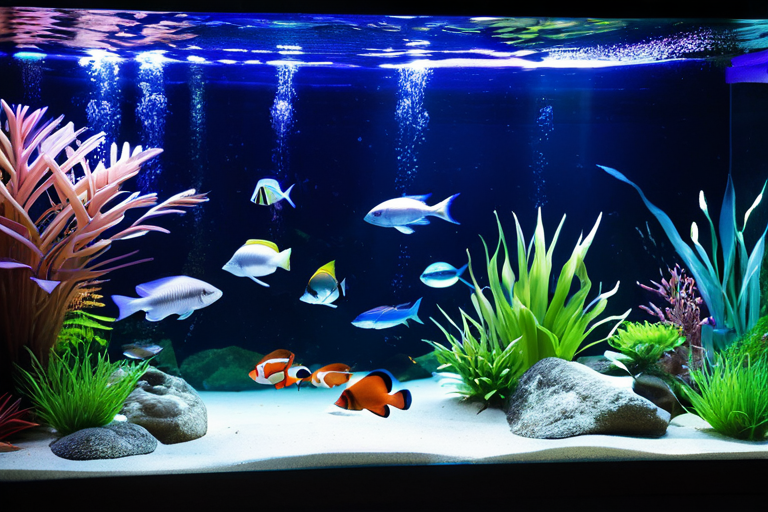
A carefully maintained home aquarium can serve as a living meditation tool
The Science Behind Aquatic Therapy
Recent studies from the American Psychological Association have revealed fascinating connections between aquarium observation and neurological responses. When individuals watch fish swimming in a well-maintained aquarium, their brain activity shifts from the stress-responsive amygdala to the prefrontal cortex, associated with planning and decision-making. This neurological transition occurs within minutes of observation, making aquarium viewing an accessible form of mindfulness practice.
Dr. Eleanor Vance, a behavioral psychologist specializing in animal-assisted therapy, explains: "The rhythmic, predictable movements of fish create a visual pattern that our brains find inherently calming. Unlike mammalian pets that demand interaction, fish provide passive companionship that allows for complete mental disengagement from daily stressors."
Physiological Benefits Documented
Research published in the Journal of Environmental Psychology demonstrates measurable physiological changes in aquarium observers:
- Average blood pressure reduction of 10-15 mmHg during 30-minute viewing sessions
- Heart rate decrease of 8-12 beats per minute
- Cortisol (stress hormone) levels dropping by approximately 25%
- Increased alpha brain wave activity associated with relaxed awareness
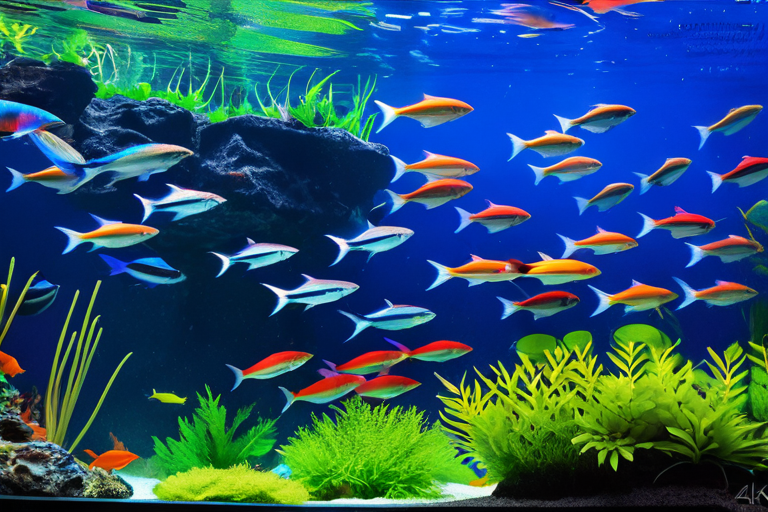
Shoaling behavior in fish provides mesmerizing visual patterns that promote relaxation
Therapeutic Applications in Clinical Settings
Hospitals and healthcare facilities worldwide are incorporating aquariums into their therapeutic environments. According to the Mayo Clinic, waiting rooms featuring aquariums report:
Dental Clinics
Patients watching aquariums during procedures require 22% less anesthetic and report 35% lower anxiety levels
Alzheimer's Care
Residents with dementia show reduced agitation and improved nutritional intake when dining near aquariums
Psychiatric Units
Common room aquariums correlate with 40% reduction in aggressive incidents and increased social interaction
Creating Your Therapeutic Aquarium
Establishing an effective therapeutic aquarium requires careful consideration of several factors. The Aquarium Cooperative recommends these guidelines for maximum therapeutic benefit:
Optimal Tank Specifications
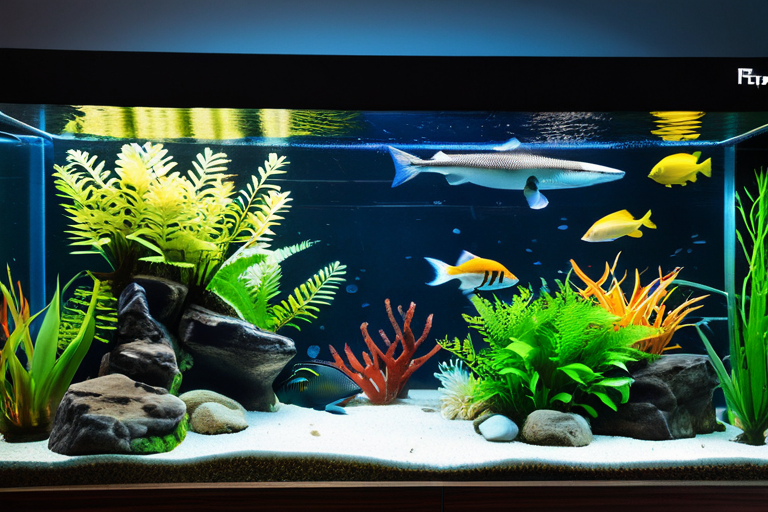
A balanced aquarium ecosystem promotes both fish welfare and viewer relaxation
Recommended Species for Therapeutic Tanks
Certain fish species demonstrate characteristics particularly conducive to stress reduction:
- Neon Tetras (Paracheirodon innesi) - Their synchronized schooling behavior and vibrant colors create mesmerizing visual patterns that capture attention without demanding cognitive effort.
- Corydoras Catfish - Their bottom-dwelling, scavenging behavior adds dimensional interest to the aquarium while their peaceful nature ensures tank harmony.
- Guppies (Poecilia reticulata) - Gentle, continuous movement and varied coloration provide visual stimulation that's engaging but not overwhelming.
- Betta Fish (Betta splendens) - While typically solitary, their flowing fins and deliberate movements offer a different type of calming observation experience.
The Ritual of Maintenance as Mindfulness Practice
Beyond observation, the regular maintenance of an aquarium provides structured mindfulness opportunities. Water testing, plant trimming, and equipment cleaning become meditative rituals that:
- Anchor attention in the present moment through sensory engagement
- Provide tangible evidence of care and nurturing
- Create predictable routines that combat anxiety through structure
- Offer opportunities for problem-solving without high-stakes consequences
Marine biologist Dr. Robert Chen notes: "The weekly 10% water change becomes more than tank maintenance—it's a symbolic renewal. You're literally removing stagnation and introducing freshness, which many find psychologically parallel to emotional processing."
Comparative Analysis with Other Pet Therapies
While dogs and cats provide valuable companionship, aquarium therapy offers unique advantages according to the Humane Society:
Accessibility
Suitable for individuals with allergies, limited mobility, or housing restrictions that prevent mammalian pet ownership
Time Commitment
Provides therapeutic benefits with less time investment than walking dogs or interactive play with cats
Cost Effectiveness
Lower long-term expenses compared to veterinary care for dogs and cats, with setup costs often under $300
Future Research Directions
The National Institute of Mental Health has identified several promising research areas:
Ongoing studies are examining how different aquarium configurations affect specific psychological conditions. Preliminary data suggests that:
- Fast-moving fish schools may be particularly effective for ADHD symptom management
- Slow-moving species like goldfish show promise for anxiety disorder interventions
- Planted aquariums with shrimp colonies appear beneficial for obsessive-compulsive tendencies
- Saltwater reef tanks may enhance creative thinking through their complexity and biodiversity
Key Takeaways for Prospective Aquarium Owners
1. Start with a properly cycled tank to ensure fish health and reduce maintenance stress
2. Position the aquarium at eye level in a frequently used room for maximum therapeutic exposure
3. Invest in quality filtration to maintain water clarity—murky water reduces therapeutic effectiveness
4. Consider automated systems for feeding and lighting to maintain consistency during busy periods
5. Document your observations and stress levels to personalize your therapeutic approach
As urban populations continue to grow and stress-related health issues increase, the humble aquarium emerges as a scientifically-validated tool for mental wellness. Unlike pharmaceutical interventions or intensive therapy, aquarium keeping offers a gentle, continuous form of stress management that integrates seamlessly into daily life. The combination of biological fascination, aesthetic pleasure, and rhythmic observation creates a unique therapeutic modality accessible to nearly everyone.
Research citations: National Institutes of Health (2023), American Psychological Association (2022), Journal of Environmental Psychology (2023), Mayo Clinic Health Systems (2024), Aquarium Cooperative Annual Report (2023), Humane Society Therapeutic Animals Division (2024), National Institute of Mental Health Preliminary Findings (2024).