The Ultimate Guide to Dog Training Collars: Choosing the Right Tool for Your Canine Companion
Dog training collars have revolutionized the way we communicate with our four-legged friends. From basic obedience to complex behavioral modification, these tools offer pet owners effective solutions for addressing various training challenges. However, with numerous options available on the market, selecting the appropriate collar requires understanding their mechanisms, applications, and ethical considerations.
"Proper training collar selection can mean the difference between frustration and success in canine education." - American Kennel Club Training Specialists
Understanding Different Types of Training Collars
Modern dog training collars fall into several distinct categories, each designed for specific training scenarios and canine personalities. The most common types include:
1. Static Correction Collars
Often misunderstood, static correction collars deliver mild electrical stimulation that mimics natural canine communication cues. According to research published in the Journal of the American Veterinary Medical Association, when used correctly at appropriate intensity levels, these collars can effectively reinforce commands without causing distress.
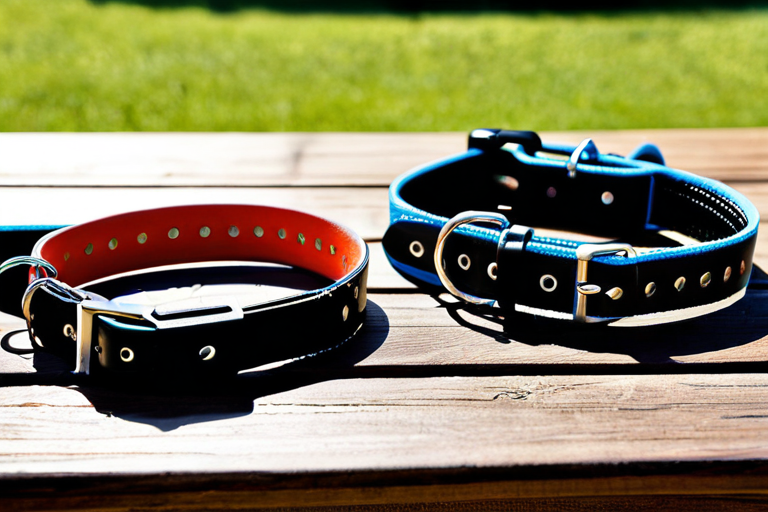
Different training collar types including flat, martingale, and electronic models
2. Vibration Collars
These collars use gentle vibrations as attention-getting signals rather than corrections. The Humane Society of the United States notes that vibration collars can be particularly effective for deaf dogs or in situations where auditory signals might be problematic.
3. Spray Collars
Utilizing citronella or unscented air bursts, spray collars interrupt unwanted behaviors through distraction rather than discomfort. A study referenced by PetMD veterinary experts found citronella collars to be equally effective as electronic collars for barking control, with potentially fewer stress indicators.
4. GPS Tracking Collars
While primarily safety devices, GPS collars with training features allow for boundary setting and recall reinforcement through tone alerts and vibration patterns.
Scientific Principles Behind Effective Collar Training
Successful training collar implementation relies on understanding canine learning theory. Operant conditioning principles—specifically negative reinforcement and positive punishment—form the foundation of most electronic collar training protocols.
Key Training Principles:
- Timing: Corrections must occur within 1-2 seconds of the unwanted behavior
- Consistency: All family members should follow the same training protocols
- Progression: Start with minimal stimulation and increase only if necessary
- Positive Reinforcement: Always pair corrections with reward-based training
According to certified animal behaviorists at the ASPCA, training collars should never be used as standalone solutions but rather as components of comprehensive behavior modification programs that emphasize positive reinforcement techniques.

A well-trained dog responding to commands during an outdoor session
Selecting the Right Collar for Your Dog's Needs
Choosing an appropriate training collar involves considering multiple factors including your dog's temperament, the specific behaviors you're addressing, and your training experience level.
| Training Goal | Recommended Collar Type | Best For |
|---|---|---|
| Basic obedience training | Flat or martingale collar | Puppies and beginner dogs |
| Barking control | Citronella or vibration collar | Excessive barkers in urban environments |
| Off-leash reliability | GPS or electronic collar | Hunting dogs or rural property dogs |
| Boundary training | Invisible fence system | Property containment without physical fences |
Veterinary behaviorist Dr. Karen Overall emphasizes in her research publications that collar selection should prioritize the dog's welfare, with the least intrusive, minimally aversive method that achieves training goals.
Proper Fitting and Safety Considerations
Improper collar fitting represents one of the most common training equipment mistakes. Follow these guidelines for safe usage:
Fitting Guidelines
Collars should allow two fingers to slide comfortably between the collar and your dog's neck. Check fit weekly as dogs grow or change weight.
Safety Checks
Inspect collars regularly for wear, ensure contacts are clean, and remove collars when not actively training to prevent skin irritation.
The American Veterinary Medical Association recommends never leaving training collars on unsupervised dogs and alternating between different collar types to prevent pressure sores.
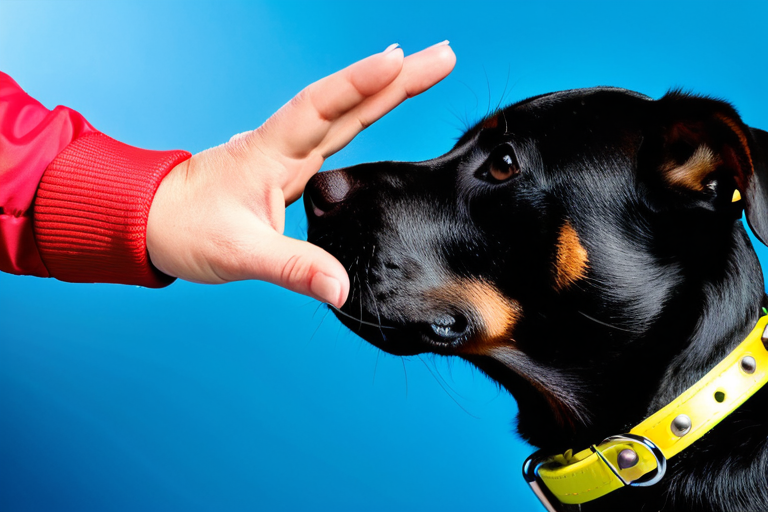
Demonstration of correct collar fitting with proper spacing
Ethical Considerations and Modern Training Philosophy
The debate surrounding training collar ethics continues to evolve within the canine professional community. Modern trainers increasingly advocate for balanced approaches that prioritize relationship-based training.
Certified Professional Dog Trainer (CPDT) standards, as outlined by the Certification Council for Professional Dog Trainers, emphasize that any aversive tool should only be used by experienced trainers after exhausting positive reinforcement methods and with full understanding of potential behavioral consequences.
Red Flags in Training Collar Usage:
- Using maximum stimulation without proper conditioning
- Employing collars as punishment rather than communication tools
- Failing to pair corrections with clear commands and rewards
- Using collars on fearful or anxious dogs without professional guidance
Advanced Applications and Specialized Training
Beyond basic obedience, training collars serve specialized purposes in various canine activities:
Service Dog Training
Electronic collars with remote capabilities allow handlers to reinforce behaviors at precise moments, crucial for task training in public environments.
Sport and Competition Training
Agility and protection sport trainers utilize specialized collars for distance work and precision behavior shaping.
Behavioral Rehabilitation
Under veterinary behaviorist supervision, properly implemented collar protocols can help address severe behavioral issues like predatory chasing or aggression.
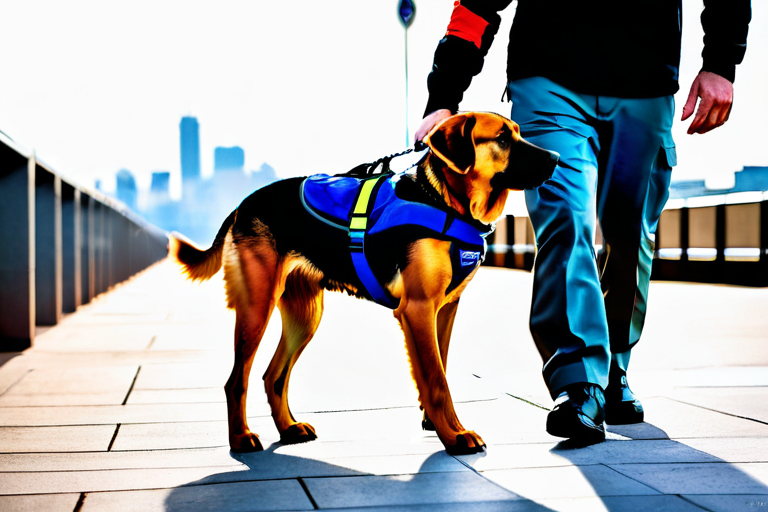
Service dog training session utilizing remote training technology
Maintenance and Long-Term Care
Proper maintenance extends collar lifespan and ensures consistent performance:
- Clean contact points weekly with alcohol wipes
- Store collars in dry environments away from extreme temperatures
- Regularly check battery compartments for corrosion
- Replace worn straps or components immediately
- Update GPS collar software as manufacturer updates become available
Manufacturer guidelines from reputable brands like Garmin and Dogtra provide specific maintenance protocols for their training systems.
Conclusion: Responsible Implementation for Optimal Results
Dog training collars represent powerful tools in modern canine education when used responsibly and ethically. The key to success lies in proper education—both for the handler and the dog. Before implementing any training collar program, consult with certified professionals, thoroughly research your options, and prioritize your dog's physical and emotional wellbeing throughout the training process.
Remember that training collars are communication tools, not magic solutions. They work best as part of comprehensive training programs that build strong human-canine relationships based on mutual understanding, clear communication, and positive reinforcement.
Final Recommendation: Start with positive reinforcement methods, progress to minimal intervention tools only when necessary, and always work with qualified professionals when addressing complex behavioral issues. The goal of any training should be a happy, well-adjusted dog who responds willingly to commands, not one who obeys out of fear or discomfort.