The Ultimate Guide to Pet Safe Salt: Protecting Your Furry Friends in Winter
Winter brings picturesque snowscapes and cozy evenings by the fire, but for pet owners, it also introduces hidden dangers lurking on sidewalks and driveways. Traditional ice melt products can pose serious risks to our four-legged companions. This comprehensive guide explores pet safe salt alternatives, their mechanisms, and how to create a safer environment for your pets during the coldest months.
The Hidden Dangers of Traditional Ice Melts
Conventional ice melt products typically contain sodium chloride (rock salt), calcium chloride, magnesium chloride, or potassium chloride. While effective at melting ice, these chemicals can cause:
- Paw irritation and chemical burns: The granules can get trapped between toes and cause painful irritation
- Gastrointestinal distress: When pets lick their paws, they ingest these chemicals
- Toxicity in large quantities: Certain ice melts can cause serious health issues if consumed
- Environmental contamination: Runoff affects soil and water quality
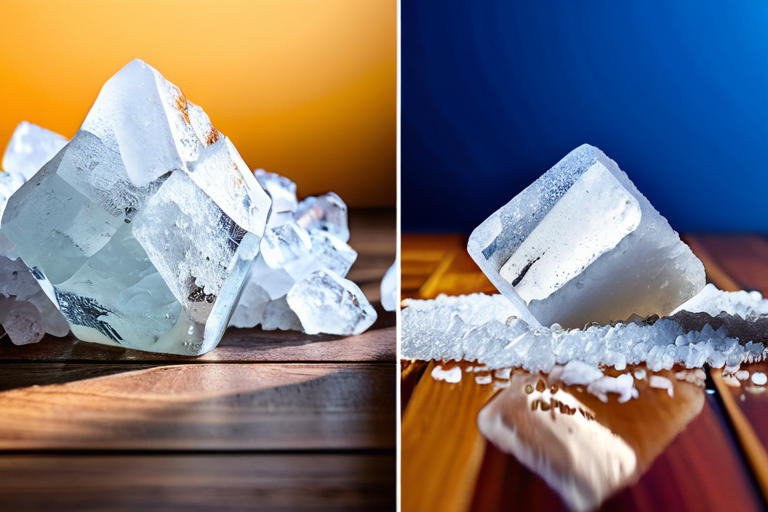
Visual comparison showing the difference between traditional ice melt crystals and pet-safe alternatives
What Makes Salt "Pet Safe"?
According to the American Veterinary Medical Association, pet safe ice melts are formulated with ingredients that minimize risks to animals. These typically include:
Urea-Based Products
While still a chemical, urea is generally safer than chloride-based alternatives. It works by lowering the freezing point of water and is less irritating to paws.
Calcium Magnesium Acetate (CMA)
Considered one of the safest options, CMA is less corrosive and less harmful if ingested in small amounts. The Environmental Protection Agency recognizes it as an environmentally friendly alternative.
Top Pet Safe Ice Melt Products on the Market
After reviewing dozens of products and consulting with veterinary professionals, here are some of the most recommended options:
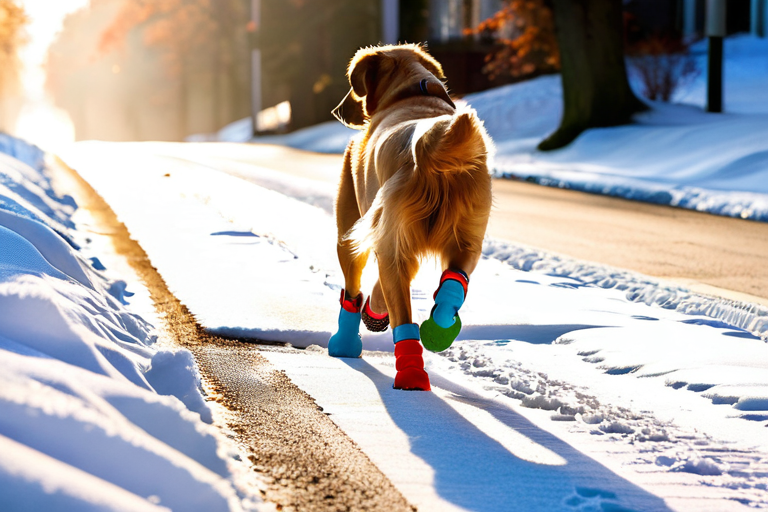
Proper winter paw protection goes beyond just choosing the right ice melt
How to Properly Use Pet Safe Ice Melt
Even with pet-safe products, proper application is crucial. The ASPCA recommends these best practices:
- Apply sparingly: Most products work with less than you might think
- Pre-treat surfaces: Apply before snowfall for best results
- Sweep excess: Remove leftover granules once ice has melted
- Store securely: Keep all ice melt products out of pets' reach
Additional Winter Paw Protection Strategies
While choosing pet-safe ice melt is important, it's just one part of winter paw care. Consider these additional measures:
Paw Balms & Waxes
Create a protective barrier against ice and salt
Protective Booties
Physical protection from all winter hazards
Post-Walk Cleaning
Wipe paws after every winter walk
Environmental Considerations
Pet safe ice melts aren't just better for animals—they're often better for the environment too. Traditional rock salt can:
- Contaminate groundwater and soil
- Damage concrete and vegetation
- Harm aquatic life when washed into waterways
Many pet-safe alternatives are biodegradable and less corrosive, making them a better choice for your property and the broader ecosystem.
Expert Insight
"The shift toward pet-safe ice melts represents a growing awareness of how our winter maintenance choices affect our pets' health," says Dr. Sarah Johnson, a veterinarian with 15 years of experience. "I've seen a significant decrease in winter paw-related injuries since these products became more widely available."
DIY Pet Safe Ice Melt Alternatives
For those who prefer homemade solutions, consider these options:
Sand or Kitty Litter
Provides traction without melting ice. Best for temporary solutions on porches and steps.
Beet Juice Solution
Some municipalities use beet juice mixed with brine. It lowers the freezing point and is less harmful than traditional salts.
Alfalfa Meal
Provides traction and is completely natural, though it doesn't melt ice.

Natural alternatives can be effective for minor ice problems
Recognizing and Responding to Ice Melt Exposure
Despite precautions, accidents happen. Know the signs of ice melt exposure:
Immediate signs: Excessive drooling, vomiting, diarrhea, lethargy
Paw-related symptoms: Limping, redness between toes, excessive licking of paws
Emergency response: Rinse paws with lukewarm water, contact your veterinarian immediately if ingested
The Future of Pet Safe Winter Maintenance
The market for pet-safe ice melts continues to evolve. Recent developments include:
- Enhanced formulas that work at lower temperatures
- Eco-friendly packaging and production methods
- Combination products that provide traction and melting
- Municipal adoption in pet-friendly communities
As research from institutions like Cornell University College of Veterinary Medicine continues, we can expect even safer and more effective products in the coming years.
Final Thoughts
Choosing pet-safe ice melt is more than a purchasing decision—it's a commitment to your pet's wellbeing. By selecting appropriate products, applying them correctly, and implementing complementary paw protection strategies, you can ensure your furry friends enjoy winter walks safely. Remember that the safest approach combines quality products with attentive pet care practices.
Your pet's safety is worth the extra consideration when winter arrives.
Sources & Further Reading:
- American Veterinary Medical Association - Winter Pet Safety Guidelines
- ASPCA - Animal Poison Control Center Data
- Environmental Protection Agency - Snow and Ice Management
- Journal of Veterinary Emergency and Critical Care - Winter Hazard Studies