The Uncharted Territory of Pet Memory How Our Companions Recall Their Past Experiences

For centuries, humans have marveled at the apparent memories displayed by their animal companions. The dog who remembers the route to a favorite park years after last visiting, the cat who recognizes a former owner after a long separation, or the parrot who recalls specific phrases from decades past—these anecdotes suggest memory capabilities that challenge our understanding of animal cognition. Recent scientific investigations have begun to unravel the mysteries of how pets form, store, and retrieve memories, revealing cognitive landscapes far more complex than previously imagined.
The Architecture of Animal Memory Systems
Animal memory operates through multiple interconnected systems, each serving different functions. According to research published in Animal Cognition, companion animals utilize several memory types including sensory memory (lasting milliseconds), short-term memory (minutes to hours), and long-term memory (days to years). The latter further divides into declarative memory (facts and events) and procedural memory (skills and habits).
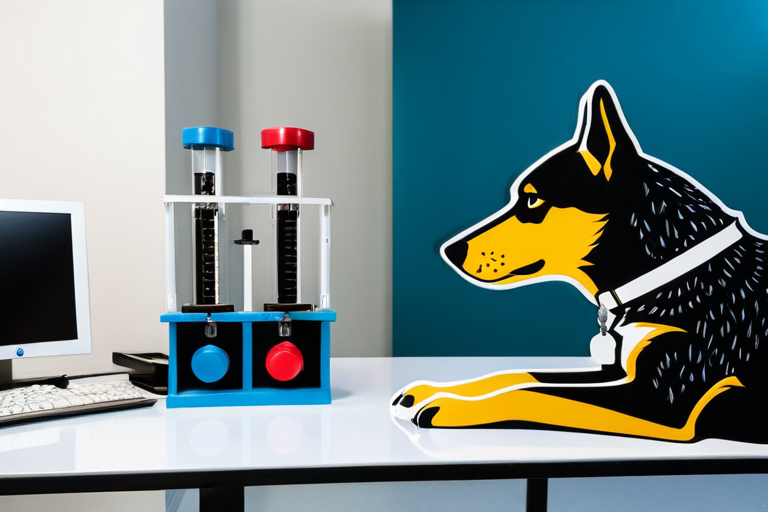
Dr. Claudia Fugazza, a leading researcher in comparative cognition at Eötvös Loránd University, has demonstrated through her groundbreaking "Do as I do" methodology that dogs can retain memories of demonstrated actions for up to an hour without reinforcement. This challenges the traditional view that animal memory is purely associative and suggests more sophisticated cognitive processing.
Species-Specific Memory Capabilities
Canine Memory: Beyond Simple Association
Dogs exhibit remarkable memory capabilities that extend far beyond basic conditioning. Research from the Family Dog Project at Eötvös Loránd University reveals that dogs possess episodic-like memory, enabling them to remember specific events including what happened, where it occurred, and who was involved. This "what-where-who" memory system was previously thought to be unique to humans and some primates.
A study published in Current Biology demonstrated that dogs could remember novel actions performed by their owners and replicate them after delays of up to 24 hours. This indicates not just memory retention but also the ability to form mental representations of observed events—a cognitive skill once considered exclusively human.
Feline Memory: The Enigma of Cat Cognition
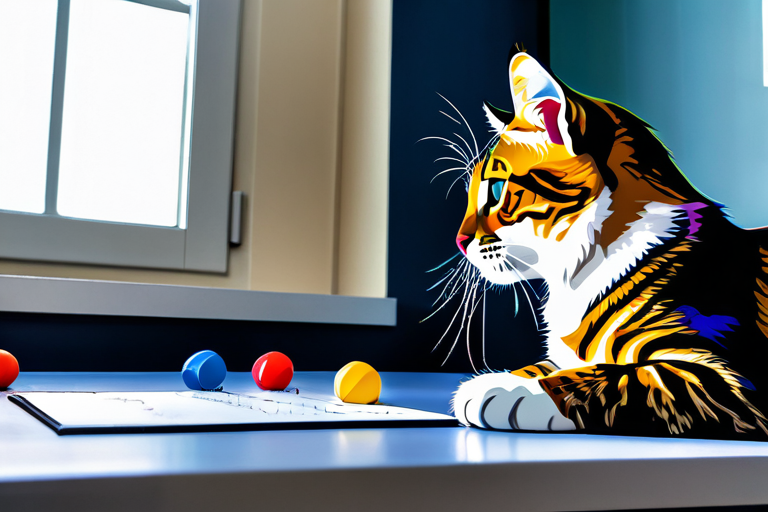
Cats present a more complex picture of memory capabilities. While less studied than dogs due to their independent nature, research indicates cats possess excellent long-term memory for survival-relevant information. Studies from the University of Sussex show that cats remember specific locations of resources, recognition of individuals (both feline and human), and avoidance of negative experiences for extended periods.
Interestingly, feline memory appears highly selective and context-dependent. Cats demonstrate superior memory for information related to hunting, territory, and social relationships while showing less retention for arbitrary information. This suggests evolutionary specialization of memory systems tailored to their ecological niche as solitary hunters.
Avian Memory: The Remarkable Recall of Parrots and Corvids
Birds, particularly parrots and corvids, exhibit memory capabilities that rival or exceed those of many mammals. Research from the Harvard University Department of Psychology demonstrates that African grey parrots can remember hundreds of words and their meanings for years, along with contextual information about when and how they learned specific vocabulary.
Corvids (crows, ravens, and jays) show extraordinary spatial memory, remembering thousands of cache locations for months. This episodic-like memory for caching events includes not just location but temporal information about when items were hidden—a cognitive feat requiring sophisticated memory systems.
The Neurobiology of Pet Memory
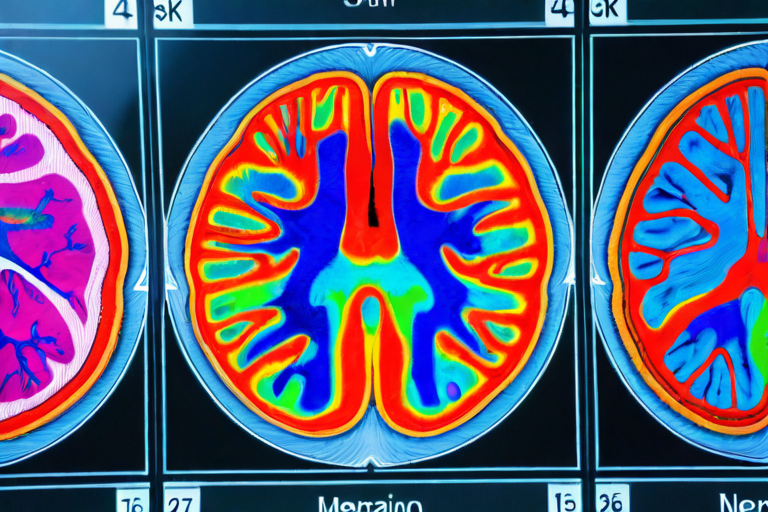
The neural substrates of memory in companion animals share remarkable similarities with human memory systems. The hippocampus, a seahorse-shaped structure deep within the brain, plays a crucial role in memory formation across species. Research from the National Institutes of Health reveals that dogs, cats, and birds all possess hippocampal formations that process spatial and episodic memories.
Neuroimaging studies conducted at Emory University using functional MRI on awake, unrestrained dogs have shown hippocampal activation when dogs anticipate rewards based on previous experiences. This provides direct evidence of memory recall processes in the canine brain.
The amygdala, another key brain structure, mediates emotional memories in pets. This explains why animals remember traumatic experiences or particularly positive events with such intensity and longevity. The emotional valence of an experience significantly enhances its memorability across species.
Factors Influencing Memory Retention in Pets
Age and Developmental Stages
Memory capabilities evolve throughout an animal's lifespan. Juvenile animals exhibit enhanced neuroplasticity, allowing for rapid learning and memory formation. Senior pets, like elderly humans, may experience age-related cognitive decline, though research from the American Kennel Club Canine Health Foundation shows that cognitive enrichment can mitigate these effects significantly.
Emotional Significance
Emotionally charged events create stronger, more persistent memories in companion animals. This evolutionary adaptation ensures survival-relevant information (threats, resources, social bonds) receives priority encoding. Studies indicate that both positive and negative emotional experiences produce more durable memories than neutral events.
Repetition and Reinforcement
While animals can form one-trial memories of significant events, repetition strengthens memory consolidation. This principle underlies effective training methods and explains why regularly practiced behaviors become deeply ingrained in an animal's behavioral repertoire.
Memory and the Human-Animal Bond
The memory capabilities of pets fundamentally shape the human-animal bond. Animals remember individual humans, specific interactions, and the emotional quality of relationships over extended periods. Research from the American Psychological Association indicates that pets form attachment memories similar to human infant-caregiver bonds, with long-term implications for relationship quality.
This mutual memory between species creates shared histories that deepen bonds over time. The dog who remembers comforting its owner during difficult times, or the cat who recalls gentle handling from a particular family member, demonstrates how memory transforms simple cohabitation into meaningful interspecies relationships.

Enhancing Pet Memory Through Cognitive Enrichment
Just as human cognitive abilities benefit from mental stimulation, pet memory can be enhanced through targeted enrichment activities. Research from the Tufts University Cummings School of Veterinary Medicine demonstrates that environmental complexity, novel experiences, and problem-solving tasks improve memory function across species.
Effective enrichment strategies include:
- Food puzzle toys that require memory of successful solutions
- Novel training exercises that challenge working memory
- Environmental changes that stimulate spatial memory
- Social interactions that exercise recognition memory
- Scent work that engages olfactory memory systems
Regular cognitive stimulation not only improves memory function but may also delay age-related cognitive decline, contributing to longer, healthier lives for companion animals.
Ethical Considerations in Memory Research
As our understanding of pet memory deepens, ethical questions emerge about how this knowledge should be applied. The recognition that animals form lasting memories of both positive and negative experiences carries implications for animal welfare, training methods, and end-of-life care.
Organizations like the Animal Cognition Society advocate for research protocols that prioritize animal welfare while advancing scientific understanding. This includes non-invasive testing methods, positive reinforcement approaches, and consideration of the long-term psychological impact of research participation on animal subjects.
Conclusion: Rethinking Our Companions' Inner Worlds
The emerging science of pet memory reveals cognitive landscapes rich with remembered experiences, learned associations, and emotional imprints. Our animal companions are not merely living in the present moment but carrying with them the accumulated memories of their lives—memories that include us, our shared experiences, and the emotional quality of our relationships.
As research continues to illuminate these previously uncharted territories of animal cognition, we gain not only scientific knowledge but also deeper appreciation for the complex inner lives of the animals who share our homes and hearts. This understanding challenges us to reconsider our relationships with companion animals, recognizing them as beings with rich subjective experiences, including memories that shape their behavior, preferences, and bonds with us.
The memories we create with our pets become part of their cognitive landscape, just as they become part of ours—a mutual remembering that transcends species boundaries and speaks to the profound interconnectedness of all conscious beings.