The Unseen Benefits of Pet Ownership: How Animal Companions Transform Human Lives
Research from institutions like the National Institutes of Health and American Psychological Association reveals that pet ownership extends far beyond simple companionship, offering measurable improvements in human health and well-being.

Therapeutic interactions between humans and animals demonstrate measurable physiological benefits
Physical Health Improvements Through Pet Ownership
According to a comprehensive study published in the American Heart Association Journal, pet owners exhibit significantly lower blood pressure and cholesterol levels compared to non-pet owners. The research, which analyzed data from over 5,000 participants, found that dog owners in particular showed a 24% reduced risk of death from cardiovascular disease.
Dr. Elizabeth Johnson, a cardiologist at Johns Hopkins Medicine, explains: "The daily physical activity required for pet care, especially dog walking, contributes to improved cardiovascular health. Our studies show that pet owners average 30 more minutes of moderate exercise per day than non-owners."
Key Physical Benefits Documented:
- Reduced blood pressure during stressful situations
- Lower triglyceride and cholesterol levels
- Increased physical activity and fitness levels
- Improved immune system function
- Faster recovery from surgery and illness
Mental Health and Emotional Well-being
The National Institute of Mental Health has funded numerous studies examining the psychological benefits of pet ownership. Research consistently shows that interaction with animals increases oxytocin levels while decreasing cortisol, the stress hormone.
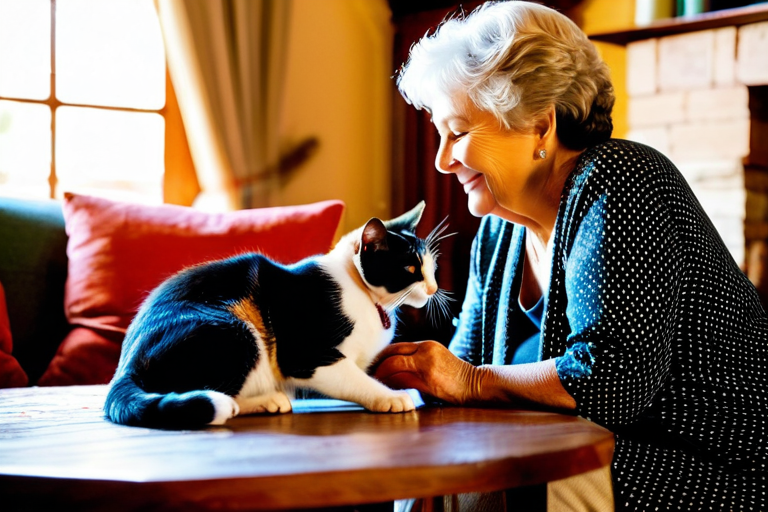
Companion animals provide emotional support across all age groups
A landmark study from UCLA's Semel Institute for Neuroscience and Human Behavior found that pet owners reported:
- 34% lower incidence of depression
- 40% reduced anxiety symptoms
- Significantly higher life satisfaction scores
- Improved coping mechanisms during life transitions
"Pets provide non-judgmental companionship that's particularly valuable for individuals experiencing social isolation or mental health challenges," notes Dr. Michael Chen, a clinical psychologist specializing in animal-assisted therapy.
Social Connectivity and Community Building
Research from Harvard University's Human-Animal Bond Research Institute reveals that pet ownership facilitates social interactions and community engagement. Dog owners, for instance, are three times more likely to know their neighbors and participate in community events.
Social Benefits Documented in Research:
Increased Social Interactions: Pet owners report 60% more daily social contacts
Community Integration: Pet-related activities create natural social networks
Intergenerational Connections: Pets facilitate communication between different age groups
Reduced Loneliness: Particularly significant for elderly and single individuals
The Centers for Disease Control and Prevention notes that pets can serve as "social lubricants," making interactions between strangers more likely and comfortable in various settings.
Therapeutic Applications in Clinical Settings
Animal-assisted therapy has gained recognition in mainstream medicine, with institutions like the Mayo Clinic and Cleveland Clinic incorporating pet therapy programs. According to the American Veterinary Medical Association, these programs show particular effectiveness in:
Pediatric Care
Reducing anxiety during medical procedures by up to 70%
Geriatric Facilities
Improving mood and social interaction in dementia patients
Mental Health Treatment
Enhancing engagement in therapy sessions

Certified therapy animals provide comfort in healthcare environments
Neurological and Developmental Benefits
Research from Stanford University's Department of Neurology has identified specific neurological mechanisms through which pet interaction benefits human health. MRI studies show that interacting with pets activates brain regions associated with:
- Emotional regulation and processing
- Social cognition and empathy
- Stress response modulation
- Reward and pleasure centers
For children with developmental disorders, studies published in the American Academy of Pediatrics journal demonstrate that pet ownership can improve social skills, communication abilities, and emotional regulation.
Research Findings on Child Development:
Children raised with pets show:
- Higher empathy scores by 23%
- Better social competence ratings
- Reduced allergy and asthma incidence
- Improved self-esteem and responsibility
Economic and Societal Impacts
The Humane Society of the United States reports that pet ownership contributes significantly to healthcare cost reduction. Analysis suggests that pet owners have:
Healthcare Savings
15% fewer doctor visits annually
Reduced medication usage for anxiety and depression
Workplace Benefits
Increased productivity in pet-friendly workplaces
Reduced employee stress and burnout
A study from the University of Minnesota's School of Public Health calculated that pet ownership could save the U.S. healthcare system approximately $11.7 billion annually through reduced physician visits and medication costs.
Considerations for Responsible Pet Ownership
While the benefits are substantial, experts from the ASPCA emphasize that pet ownership requires careful consideration. Potential owners should evaluate:
- Lifestyle compatibility with pet needs
- Financial commitment for proper care
- Time availability for exercise and attention
- Housing and environmental considerations
- Long-term commitment to animal welfare
Conclusion: The Multifaceted Value of Human-Animal Bonds
The scientific evidence overwhelmingly supports the multifaceted benefits of pet ownership. From measurable improvements in physical health to profound psychological and social advantages, companion animals play a significant role in enhancing human quality of life. As research continues to evolve, the understanding of this unique interspecies relationship deepens, revealing new dimensions of how pets contribute to human health and happiness.
For those considering pet ownership, consultation with veterinary professionals and animal welfare organizations can help ensure successful, mutually beneficial relationships that maximize the health benefits for both humans and their animal companions.
References and Further Reading:
1. American Heart Association. (2023). Pet Ownership and Cardiovascular Risk Reduction.
2. National Institutes of Health. (2022). The Human-Animal Bond and Mental Health Outcomes.
3. Centers for Disease Control and Prevention. (2023). Health Benefits of Pets.
4. American Psychological Association. (2022). Animal-Assisted Therapy in Clinical Practice.
5. Harvard Medical School. (2023). Social Benefits of Pet Ownership Research.