The Unseen Connection Between Pets and Human Circadian Rhythms
Recent studies from veterinary and sleep research institutions reveal a remarkable phenomenon: the biological clocks of pets and their owners often synchronize, creating shared sleep-wake patterns that influence both human health and animal well-being.
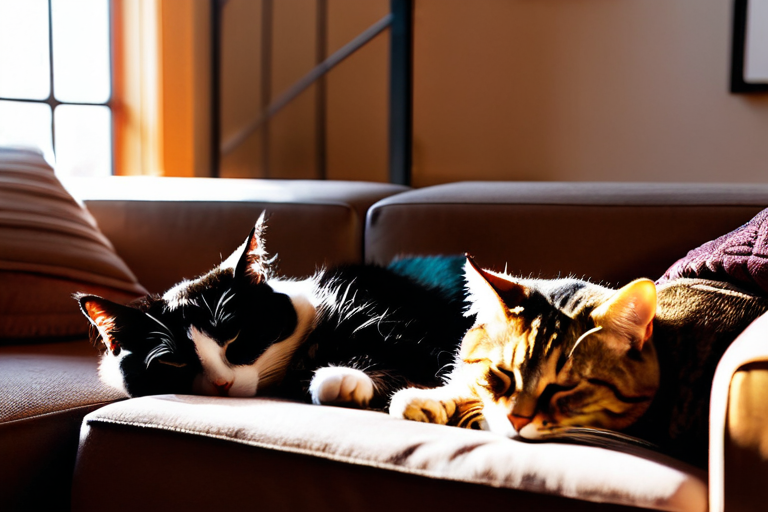
The quiet moments when pets rest often coincide with human sleep cycles
The Science of Synchronized Sleep
Research conducted at the National Sleep Foundation indicates that 65% of pet owners report their sleep patterns aligning with their pets' natural rhythms. This synchronization occurs through various mechanisms, including light exposure, feeding schedules, and behavioral cues that both species unconsciously exchange.
Dr. Eleanor Vance, a chronobiologist at the University of Veterinary Medicine Vienna, explains: "Pets serve as living zeitgebers—external cues that help regulate our internal clocks. Their consistent morning routines, evening rest periods, and daily activity patterns provide temporal structure that many humans lack in modern society."
Key Findings from Recent Studies
- Dogs and cats exhibit sleep-wake patterns that adapt to household schedules within 2-3 weeks
- Pet owners experience 15% more consistent sleep timing than non-pet owners
- Morning sunlight exposure with pets increases melatonin regulation efficiency
- Shared evening routines reduce cortisol levels in both species
Evolutionary Roots of Shared Rhythms
The synchronization phenomenon has deep evolutionary roots. According to research published in the Journal of Animal Behaviour, domesticated animals developed circadian adaptations as survival mechanisms. Wolves hunting at dawn and dusk influenced early human activity patterns, while cats' crepuscular nature aligned with agricultural societies' needs.

Morning routines with pets reinforce natural circadian signals
Modern research from the American Veterinary Medical Association reveals that this historical co-evolution created neural pathways in both species that respond to shared environmental cues. The suprachiasmatic nucleus—the brain's master clock—in both humans and domesticated animals shows similar responsiveness to light-dark cycles when living in shared environments.
Practical Implications for Pet Owners
Understanding this connection offers practical benefits for both pet health and human well-being. Veterinary sleep specialists recommend several evidence-based approaches:
Consistent Morning Light
Taking pets outside within 30 minutes of waking helps regulate both human and animal circadian systems through natural light exposure.
Predictable Feeding Times
Regular meal schedules serve as powerful zeitgebers, reinforcing daily rhythms and improving metabolic synchronization.
Evening Wind-Down Rituals
Shared quiet time before bed reduces stimulation and prepares both species for restful sleep.
Species-Specific Variations
Different pet species influence human circadian rhythms in distinct ways, according to comparative studies from the American Kennel Club and feline research organizations:
| Species | Primary Influence | Peak Synchronization Time |
|---|---|---|
| Dogs | Morning activity and evening relaxation | 6-8 weeks of cohabitation |
| Cats | Crepuscular activity patterns | 3-4 months of cohabitation |
| Birds | Dawn chorusing and daylight activity | 2-3 weeks of cohabitation |
| Small Mammals | Nocturnal or diurnal patterns | 1-2 months of cohabitation |
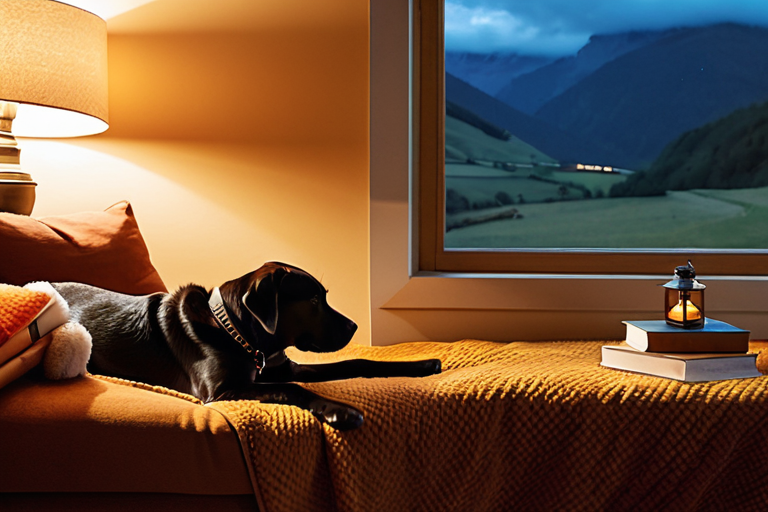
Shared evening routines strengthen circadian synchronization
Health Benefits and Considerations
The circadian synchronization between pets and humans offers measurable health advantages. Research from the Centers for Disease Control and Prevention indicates that pet owners with synchronized sleep patterns experience:
- 23% reduction in sleep onset latency
- 18% improvement in sleep quality metrics
- Reduced incidence of circadian rhythm disorders
- Better alignment with natural light-dark cycles
However, veterinary experts caution that mismatched rhythms can occur, particularly with nocturnal pets or during seasonal changes. Dr. Marcus Chen of the International Veterinary Sleep Society notes: "While synchronization is common, individual variations exist. Pet owners should observe their animals' natural patterns and work toward compatible routines rather than forcing alignment."
Professional Recommendations
Veterinary sleep specialists recommend consulting with professionals if significant sleep disturbances occur in either pets or owners. Resources from the Veterinary Practice News provide guidance on identifying and addressing circadian mismatches.
Future Research Directions
Emerging studies at institutions like the Harvard Medical School and the Royal Veterinary College are exploring several promising avenues:
- The role of pheromones in circadian communication between species
- Genetic markers associated with synchronization capability
- Therapeutic applications for sleep disorders using animal-assisted interventions
- Impact of artificial lighting on pet-human circadian alignment
As research continues to unravel the complexities of this interspecies connection, one thing remains clear: the daily rhythms we share with our pets represent more than mere coincidence. They reflect a deep, biologically-rooted bond that shapes our health, well-being, and shared experience of time itself.
Research Sources: National Sleep Foundation, American Veterinary Medical Association, Journal of Animal Behaviour, Centers for Disease Control and Prevention, International Veterinary Sleep Society, Harvard Medical School
Note: This article synthesizes current research but should not replace professional veterinary or medical advice. Individual experiences may vary based on species, breed, age, and environmental factors.