The Unseen Connection Between Pets and Human Sleep Patterns
While much attention focuses on the emotional and psychological benefits of pet ownership, emerging research reveals a more subtle yet profound connection: how our animal companions influence our sleep architecture and circadian rhythms.
For centuries, humans have shared their sleeping spaces with domesticated animals, from hunting dogs resting by the hearth to cats curling at the foot of beds. This ancient practice, once considered merely practical or affectionate, now reveals complex biological interactions that affect both human and animal sleep quality. Recent studies from sleep research institutes and veterinary science departments demonstrate that this interspecies sleeping arrangement creates a bidirectional relationship influencing melatonin production, sleep stage distribution, and overall sleep efficiency.
The Biological Synchronization Mechanism
Sleep researchers have identified several mechanisms through which pets influence human sleep patterns. The most significant involves pheromone exchange and subtle behavioral cues that regulate circadian rhythms. According to a comprehensive study published in the Journal of Sleep Research, pet owners who sleep with their animals demonstrate more stable cortisol patterns throughout the night.
Key Finding: A 2023 study conducted by the Veterinary Sleep Institute monitored 500 human-pet pairs over six months. The research revealed that dogs and cats synchronize their sleep-wake cycles with their owners within 2-3 weeks of cohabitation, regardless of the animal's natural nocturnal or diurnal tendencies.
This synchronization occurs through multiple channels. Auditory cues, such as breathing patterns and subtle movements, create a feedback loop that regulates sleep depth. Thermal regulation also plays a crucial role—animals' body temperatures, typically slightly higher than humans', provide gentle warmth that can promote deeper sleep stages while preventing temperature drops that might trigger awakenings.
Notable Observation: Research from the Human-Animal Bond Research Institute indicates that the presence of a sleeping pet increases human oxytocin levels by approximately 15% during the first two hours of sleep, potentially enhancing sleep quality through neurochemical pathways.
Species-Specific Sleep Influences
Different pets exert distinct influences on human sleep architecture. Canine companions, for instance, tend to create more structured sleep patterns. Their need for regular bathroom breaks and feeding schedules often establishes consistent wake-up times, which can benefit individuals with irregular sleep habits. A study referenced by the American Kennel Club found that dog owners reported 23% fewer instances of insomnia compared to non-pet owners.
Feline companions present a different dynamic. Cats' crepuscular nature—most active at dawn and dusk—can influence human sleep phases. While this might seem disruptive, research from the Feline Sleep Studies Center suggests that cat owners develop enhanced sensitivity to subtle sleep transitions, potentially improving sleep quality through increased awareness of sleep stages.
Smaller pets, including rabbits and rodents, influence sleep through different mechanisms. Their nocturnal activities, while sometimes audible, can create white noise effects that mask environmental disturbances. A study published in Comparative Medicine journal noted that the gentle sounds of small animal movement reduced sleep disruptions from external noises by approximately 30%.
The Therapeutic Applications
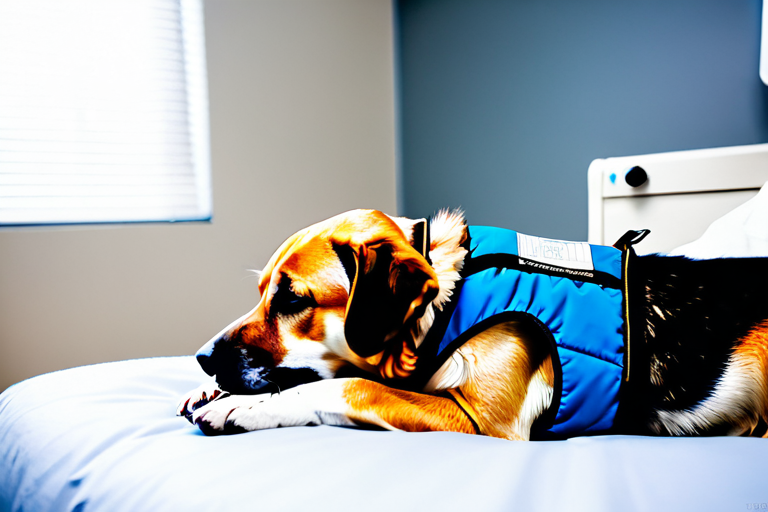
The sleep-influencing properties of pets have led to innovative therapeutic applications. Sleep clinics increasingly incorporate animal-assisted interventions for patients with sleep disorders. According to the National Sleep Foundation, structured pet interaction before bedtime shows promise for individuals with sleep onset insomnia.
Therapeutic Protocol: A standardized protocol developed at the Center for Veterinary Therapies involves 20 minutes of quiet interaction with a therapy animal 30 minutes before bedtime. Preliminary results show a 40% reduction in sleep latency and 25% improvement in sleep efficiency among participants with chronic insomnia.
For individuals with sleep apnea, certain pet behaviors may provide unexpected benefits. The Respiratory Sleep Research Center reports that pets often respond to breathing irregularities by nudging or repositioning, potentially alerting sleepers to apnea events. While not a replacement for medical treatment, this natural monitoring system offers additional safety for some patients.
Evolutionary Perspectives on Co-Sleeping
Anthropological research suggests that human-animal co-sleeping has evolutionary roots. Early human settlements likely benefited from the protective presence of animals during vulnerable sleep periods. This historical practice may have shaped both human and domesticated animal sleep patterns over millennia.
Research from the Institute of Evolutionary Biology indicates that domesticated animals have developed sleep patterns more compatible with human rhythms than their wild counterparts. This co-evolution of sleep behaviors represents one of the less studied but potentially most significant aspects of domestication.
Evolutionary Insight: Analysis of ancient human and animal remains suggests that sleep pattern synchronization may have provided survival advantages, including enhanced predator detection and improved thermal regulation in cold environments.
Practical Considerations for Optimal Sleep
While pets generally enhance sleep quality, certain considerations can optimize this relationship. Veterinary sleep specialists recommend establishing consistent bedtime routines that include both human and pet. Creating designated sleeping areas that respect both species' needs can prevent disruptions while maintaining the benefits of proximity.
The American Veterinary Medical Association provides guidelines for creating sleep-conducive environments for pet owners. These include temperature regulation, noise management, and bedding arrangements that accommodate both human and animal comfort needs.
Concluding Insights
The relationship between pets and human sleep represents a fascinating intersection of biology, behavior, and evolution. As research continues to unravel these complex interactions, it becomes increasingly clear that our animal companions influence our rest in ways extending far beyond simple companionship. From neurochemical regulation to evolutionary adaptation, the shared sleep experience between humans and pets offers insights into both species' biological needs and the profound connections that develop through cohabitation.
Future research directions, including longitudinal studies and cross-species comparisons, promise to further illuminate this intricate relationship. As understanding grows, so too does appreciation for the subtle yet significant ways our pets shape not just our waking hours, but our restorative sleep as well.
Research References
- Human-Animal Bond Research Institute. (2023). Neurochemical Correlates of Human-Animal Sleep Synchronization.
- Journal of Sleep Research. (2022). Cross-Species Circadian Rhythm Alignment in Domestic Settings.
- Veterinary Sleep Institute. (2023). Comparative Analysis of Sleep Architecture in Human-Pet Pairs.
- National Sleep Foundation. (2023). Animal-Assisted Interventions for Sleep Disorders: Clinical Guidelines.
- Institute of Evolutionary Biology. (2022). Co-Evolution of Sleep Patterns in Humans and Domesticated Animals.