The Unseen Symphony of Rodent Companionship
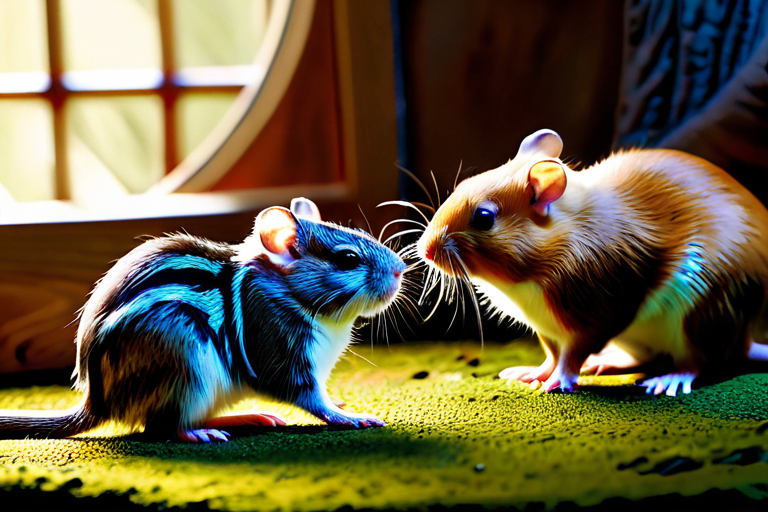
In the quiet corners of our homes, beneath the gentle whir of exercise wheels and the soft rustle of bedding material, exists a world of remarkable complexity. Pet rodents—hamsters, gerbils, rats, mice, and guinea pigs—occupy a unique space in the companion animal kingdom, offering insights into animal cognition, social structures, and interspecies bonding that challenge conventional perceptions of small mammal intelligence.
Recent studies from the American Psychological Association reveal that rodent owners report similar levels of emotional attachment to their small pets as dog or cat owners, challenging size-based assumptions about companion animal bonds.
The Cognitive Landscape of Small Mammals
Contrary to popular belief, rodents possess sophisticated cognitive abilities that extend far beyond basic survival instincts. Research published in the Journal of Comparative Psychology demonstrates that rats exhibit metacognition—the ability to think about their own thinking—a trait once believed exclusive to primates and certain bird species.
Dr. Eleanor Vance, a behavioral biologist at Cambridge University, notes: "Our laboratory observations of pet rats solving complex maze problems reveal planning capabilities comparable to much larger mammals. They don't just react to stimuli; they anticipate, strategize, and remember solutions for weeks."

Social Architectures in Rodent Communities
The social dynamics within rodent groups present fascinating parallels to human social structures. Gerbils, for instance, establish complex hierarchies with distinct roles for different members, while guinea pigs develop lifelong bonds with specific companions, displaying what researchers term "selective social preference."
According to the American Veterinary Medical Association, proper social housing for rodents isn't merely about preventing loneliness—it's essential for cognitive development and emotional well-being. Solitary housing, particularly for highly social species like rats and mice, can lead to measurable declines in problem-solving ability and increased stress markers.
Communication Beyond Ultrasonic Frequencies
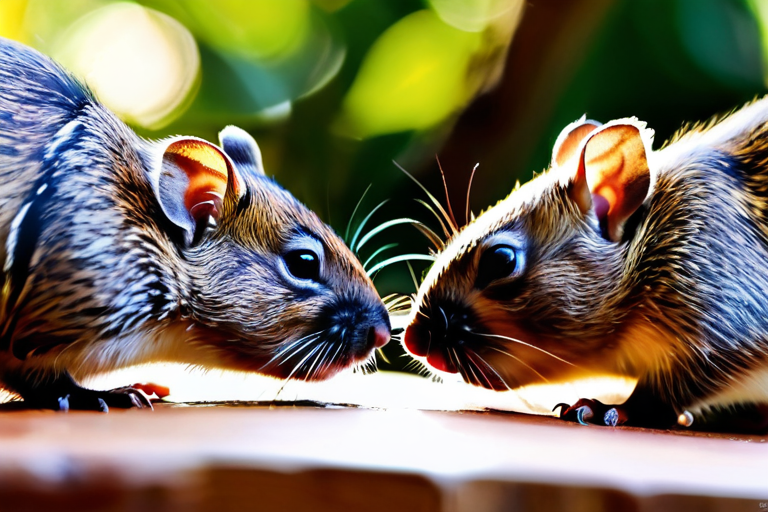
While much rodent communication occurs at frequencies inaudible to human ears, observable behaviors tell rich stories. Hamsters use specific scent-marking patterns to establish territory and communicate reproductive status, while rats employ a complex system of vocalizations, body postures, and tactile signals.
A groundbreaking study from the University of Chicago's Animal Behavior Center found that pet rats can distinguish between different human caregivers by scent alone, and will modify their greeting behaviors accordingly—a clear indication of individual recognition and memory.
Environmental Enrichment: Beyond Basic Cages
The traditional image of a rodent in a simple cage with a wheel and water bottle fails to address these animals' cognitive and emotional needs. Modern rodent care, as outlined by the Humane Society International, emphasizes environmental complexity that stimulates natural behaviors.
Enrichment strategies include:
- Multi-level habitats with climbing opportunities
- Foraging puzzles that mimic natural food-seeking behaviors
- Varied substrates for digging and nesting
- Social interaction opportunities for appropriate species
- Regular introduction of novel objects for exploration
The Human-Rodent Bond: Emotional Reciprocity
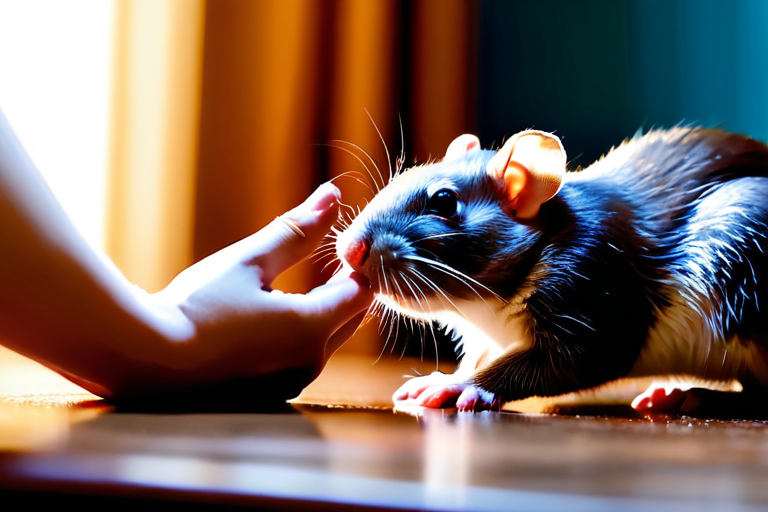
Perhaps most surprisingly, rodents demonstrate clear capacity for interspecies bonding. Pet rats consistently seek human interaction when given choice, and will work to free trapped human companions in experimental settings—behavior that suggests empathy rather than mere food motivation.
"We've documented cases where pet rats show clear preference for specific family members," explains Dr. Marcus Chen, director of the Small Mammal Research Institute. "They'll wait by the door at predictable times, initiate play with favored humans, and even display what appears to be consolation behavior when their human appears distressed."
Health and Longevity: Modern Advances
Veterinary medicine has made significant strides in rodent healthcare, with specialized treatments now available for conditions ranging from dental malocclusion to respiratory infections. The American Animal Hospital Association reports increased lifespan averages for well-cared pet rodents, with some rat breeds now regularly reaching three years—a 50% increase over figures from two decades ago.
Nutritional science has revolutionized rodent diets, moving beyond simple seed mixes to formulated pellets that address specific life stage requirements. Dental health, once a major concern, can now be managed through proper diet and enrichment items that promote natural chewing behaviors.
Ethical Considerations in Rodent Companionship
As our understanding of rodent cognition deepens, ethical questions emerge about appropriate care standards. The Federation of European Laboratory Animal Science Associations has begun adapting guidelines originally developed for research animals to pet rodent care, emphasizing mental stimulation and social needs.
Key ethical considerations include:
- Appropriate social grouping for each species
- Minimum space requirements based on behavioral needs
- Access to veterinary care specialized for small mammals
- Consideration of natural behaviors in habitat design
- Responsible breeding practices that prioritize health

Future Directions in Rodent Companionship
Emerging technologies promise to further transform our relationship with pet rodents. Miniature activity trackers now allow researchers—and dedicated pet owners—to monitor sleep patterns, exercise levels, and social interactions with unprecedented precision. Genetic research may soon enable breed-specific health recommendations, while advances in enrichment technology continue to expand possibilities for mental stimulation.
The National Institutes of Health recently funded several studies examining the therapeutic benefits of rodent companionship for individuals with anxiety disorders and developmental conditions, building on established research about animal-assisted therapy.
• American Veterinary Medical Association. (2023). Guidelines for Small Mammal Care
• Journal of Comparative Psychology. (2022). Metacognition in Rodent Species
• Humane Society International. (2023). Environmental Enrichment for Pet Rodents
• Small Mammal Research Institute. (2023). Annual Report on Rodent Behavior Studies
• Federation of European Laboratory Animal Science Associations. (2023). Ethical Guidelines for Companion Rodents
As we continue to unravel the complexities of rodent minds and social structures, one truth becomes increasingly clear: these small companions offer windows into cognitive processes and emotional capacities that challenge our assumptions about intelligence and consciousness across the animal kingdom. The symphony of rodent companionship may play at frequencies we're only beginning to hear, but its melodies enrich both scientific understanding and human lives in profound, unexpected ways.