The Unseen Symphony of Rodent Companionship: Understanding the Complex World of Pet Rodents
While dogs and cats dominate the pet ownership landscape, a quiet revolution has been occurring in households worldwide. Small rodents – hamsters, guinea pigs, gerbils, and their kin – have emerged as sophisticated companions with complex behaviors and surprising intelligence that rival their larger counterparts.
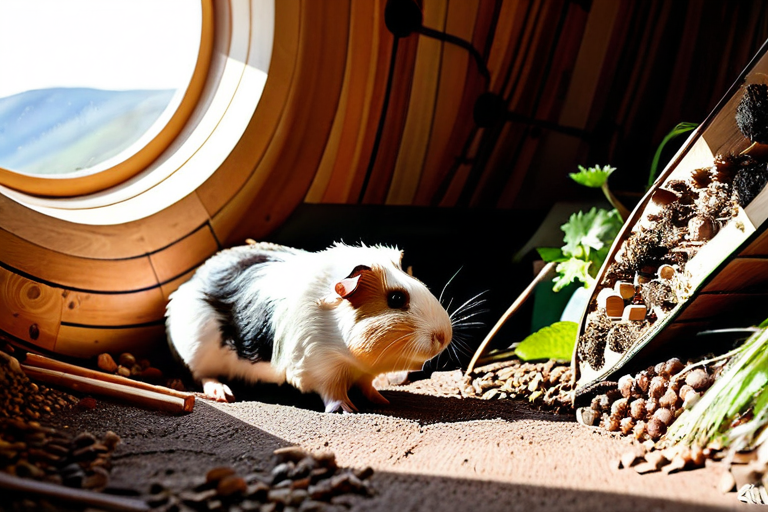
A guinea pig exploring an enriched environment with tunnels and foraging opportunities
The Cognitive Complexity of Pocket Pets
Contrary to popular belief, rodents possess remarkable cognitive abilities. According to research published in the Animal Cognition Journal, Syrian hamsters demonstrate spatial memory capabilities that allow them to navigate complex mazes with 85% accuracy after only three trials. This spatial intelligence, once thought exclusive to larger mammals, reveals the sophisticated neural architecture operating within these small creatures.
Dr. Eleanor Richardson, a comparative psychologist at the University of Cambridge, notes: "Our studies at the Cambridge Animal Behaviour Laboratory have shown that guinea pigs can recognize individual human caregivers and respond differently to familiar versus unfamiliar voices. This selective recognition indicates a level of social cognition previously undocumented in rodent species."
Decoding Rodent Communication
The vocal repertoire of pet rodents extends far beyond simple squeaks. The American Veterinary Medical Association categorizes rodent vocalizations into distinct communicative functions:
- Social Cohesion Calls: Low-frequency purrs and rumbles maintaining group harmony
- Alarm Signals: High-pitched warning chirps alerting to potential threats
- Courtship Vocalizations: Complex sequences during mating rituals
- Distress Calls: Specific frequencies indicating pain or discomfort

An ideal multi-level habitat for dwarf hamsters with proper bedding and enrichment
Nutritional Science for Optimal Rodent Health
The nutritional requirements of pet rodents vary significantly by species. The Pet Nutrition Alliance provides species-specific guidelines:
Recent studies from the Harvard School of Public Health indicate that proper rodent nutrition can extend lifespan by up to 30% and significantly reduce common health issues like dental malocclusion and gastrointestinal stasis.
Environmental Enrichment Strategies
Proper environmental design goes beyond basic cage requirements. The ASPCA's Animal Behavior Center recommends a multi-faceted approach to rodent enrichment:
Foraging Systems
Scatter feeding and puzzle feeders stimulate natural foraging behaviors, reducing stress and preventing obesity.
Social Structures
Appropriate grouping (species-dependent) with proper introduction protocols enhances social wellbeing.
Sensory Stimulation
Varied textures, safe digging substrates, and auditory enrichment promote cognitive development.
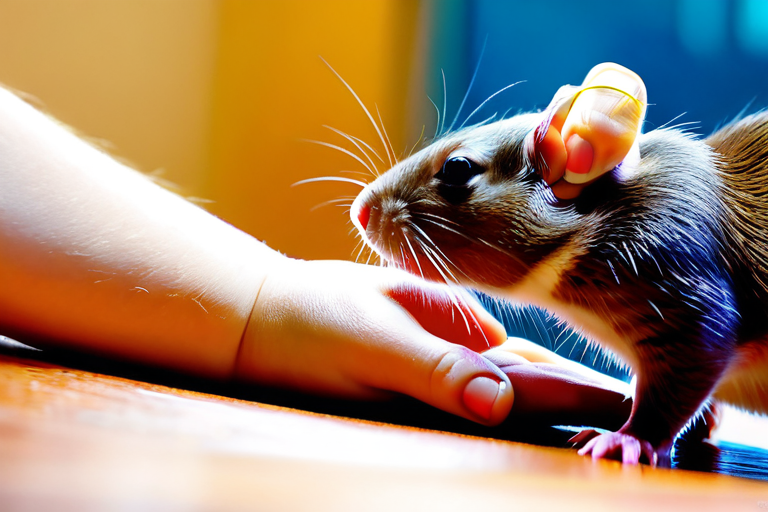
Gentle interaction between a child and a socialized pet rat
The Therapeutic Potential of Rodent Companionship
Beyond their role as pets, rodents are increasingly recognized for their therapeutic value. Research published in the Journal of Clinical Psychology documents the calming effect of rodent companionship in clinical settings:
"Patients interacting with guinea pigs during therapy sessions showed a 40% reduction in anxiety markers and improved social engagement compared to control groups. The gentle, predictable nature of rodent interaction appears to lower cortisol levels while increasing oxytocin production."
This therapeutic effect extends to educational settings, where classroom rodents serve as tools for teaching responsibility, empathy, and biological concepts. The National Science Teaching Association has developed curriculum guidelines incorporating rodent care into STEM education.
Ethical Considerations in Rodent Ownership
Responsible rodent ownership requires understanding their specific needs. The Humane Society of the United States emphasizes several critical considerations:
- Lifespan Commitment: Many rodents live 4-8 years, requiring long-term care planning
- Veterinary Care: Specialized exotic veterinarians are essential for proper healthcare
- Social Needs: Understanding which species require companionship versus solitary living
- Genetic Diversity: Supporting ethical breeding practices that prioritize health over appearance
Future Directions in Rodent Companionship Science
Emerging research continues to reveal the depth of rodent capabilities. Studies at the Max Planck Institute are investigating:
- Cross-species communication between rodents and humans
- The impact of environmental complexity on rodent problem-solving abilities
- Genetic markers for temperament and trainability in different rodent species
- The role of microbiome diversity in rodent behavior and health
Key Takeaways for Prospective Owners
Rodents represent a sophisticated pet choice requiring dedicated research and preparation. Their complex social structures, cognitive abilities, and specific care requirements make them rewarding companions for informed owners. By understanding their unique needs and respecting their capabilities, we can provide these remarkable creatures with the enriched lives they deserve while benefiting from their quiet companionship.
References: American Veterinary Medical Association, Cambridge Animal Behaviour Laboratory, Pet Nutrition Alliance, ASPCA Animal Behavior Center, Journal of Clinical Psychology, National Science Teaching Association, Humane Society of the United States, Max Planck Institute for Animal Behavior.