The Unseen World of Aquatic Companionship: Understanding the Complex Lives of Pet Fish
"Fishkeeping represents one of humanity's oldest relationships with domesticated animals, dating back over 4,500 years to ancient Sumeria where the first ornamental ponds were documented." - Smithsonian Magazine
While dogs and cats dominate household pet statistics, aquatic companions represent a thriving subculture of pet ownership that often goes unnoticed. According to the American Veterinary Medical Association, approximately 13.1 million households in the United States maintain freshwater aquariums, with another 2.5 million keeping saltwater systems. This silent population of aquatic pets offers unique insights into animal behavior, ecosystem management, and human-animal bonding that differs significantly from terrestrial pet relationships.
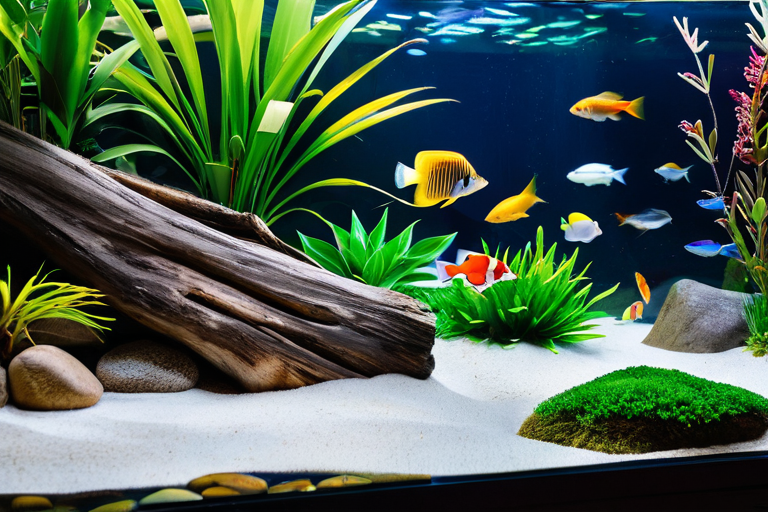
A balanced freshwater aquarium showcasing proper plant growth and compatible fish species
The Cognitive Complexity of Aquatic Life
Contrary to popular belief that fish possess three-second memories, research from the University of Oxford reveals remarkable cognitive abilities in many aquarium species. Goldfish (Carassius auratus) can distinguish between different human faces with 86% accuracy, while betta fish (Betta splendens) demonstrate problem-solving skills comparable to some mammals. Dr. Culum Brown's groundbreaking study published in Animal Cognition documents how archerfish can learn to recognize human faces and remember them for months.
"The neurological complexity of fish has been vastly underestimated," notes marine biologist Dr. Sylvia Earle in her work with the Smithsonian Ocean Institute. "Many species exhibit social learning, tool use, and complex communication systems that challenge our traditional understanding of aquatic intelligence."
The Science of Proper Aquarium Management
Successful fishkeeping requires understanding intricate water chemistry principles. The nitrogen cycle—converting ammonia to nitrite to nitrate—forms the foundation of aquarium health. According to the Aquatic Veterinary Medical Association, improper cycling causes approximately 60% of aquarium failures within the first three months.
Essential Water Parameters for Tropical Freshwater Aquariums
- Temperature: 72-82°F (22-28°C)
- pH Level: 6.5-7.5
- Ammonia: 0 ppm
- Nitrite: 0 ppm
- Nitrate: <20 ppm
- General Hardness: 4-8 dGH
- Carbonate Hardness: 3-8 dKH
- Dissolved Oxygen: 5-8 mg/L
Source: Aquarium Cooperative Research
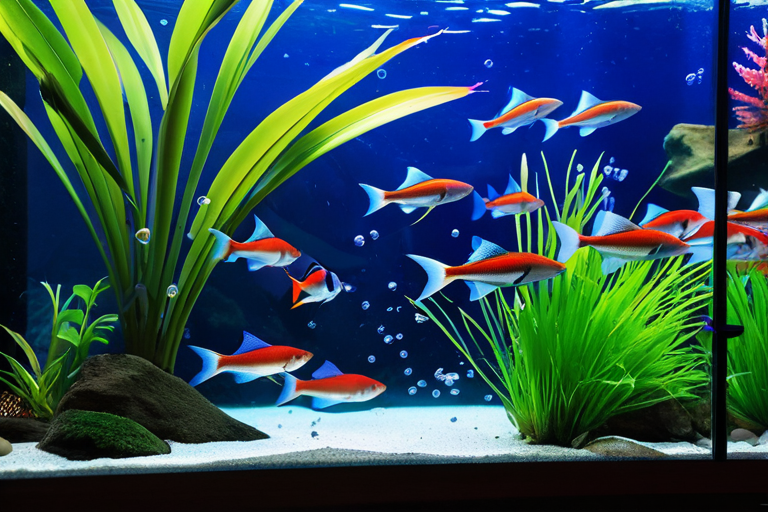
Neon tetras exhibiting natural schooling behavior in a properly maintained aquarium
Behavioral Enrichment in Captive Aquatic Environments
Modern aquarium science emphasizes environmental enrichment to promote natural behaviors. Research from the Journal of Applied Animal Welfare Science demonstrates that enriched environments reduce stress behaviors in captive fish by up to 73%. This includes:
- Structural Complexity: Adding caves, plants, and driftwood creates territories and hiding spaces
- Foraging Opportunities: Using feeding puzzles and varying food placement
- Social Dynamics: Maintaining appropriate species groupings and population densities
- Environmental Variation: Simulating natural light cycles and gentle current patterns
"Enrichment isn't just about aesthetics," explains aquarist and researcher Dr. Takashi Amano, whose work revolutionized planted aquarium design. "It's about creating ecosystems where fish can express their full behavioral repertoire, leading to improved health and longevity."
The Therapeutic Benefits of Aquatic Observation
A 2023 study published in Environmental Psychology found that observing aquarium fish for just 10 minutes reduced blood pressure by an average of 4% and lowered heart rate by 7%. The Mayo Clinic incorporates aquarium therapy in several patient care units, noting particular benefits for individuals with anxiety disorders and dementia.
Clinical Applications of Aquarium Therapy
• Dental Offices: 68% reduction in patient anxiety during procedures
• Alzheimer's Care: Improved nutritional intake when aquariums are placed in dining areas
• Pediatric Units: 42% decrease in pain medication requests post-surgery
• Workplace Settings: 15% increase in productivity in offices with aquariums
Data compiled from National Institutes of Health clinical studies
Sustainable Fishkeeping Practices
With growing environmental concerns, responsible aquarists prioritize sustainability. The Marine Aquarium Council certification program has helped reduce wild collection of reef fish by 40% since 2010 through improved captive breeding programs. Modern advancements include:
Captive Breeding Success Stories
• Clownfish: 95% of market now captive-bred
• Cardinal Tetras: 70% reduction in wild collection
• Discus Fish: Specialized breeding programs producing healthier specimens
• Seahorses: Complete transition to captive breeding
Energy-Efficient Technologies
• LED lighting using 75% less energy
• Variable speed pumps reducing electricity consumption
• Smart controllers optimizing equipment runtime
• Solar-powered aquarium systems
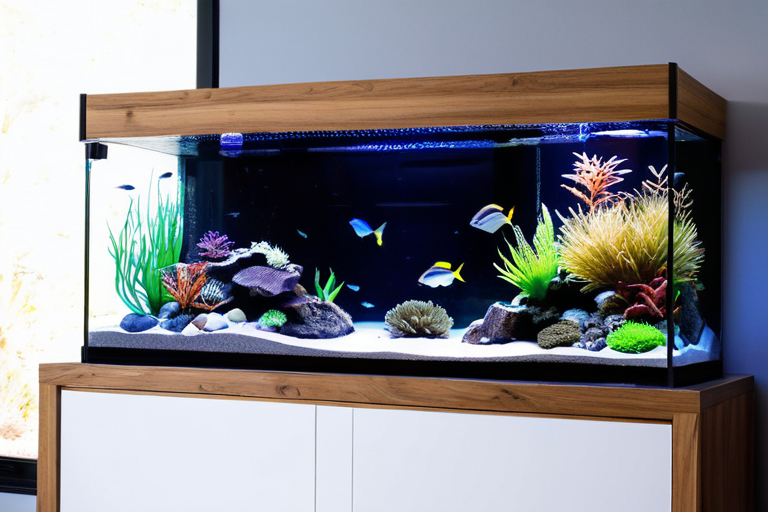
Energy-efficient aquarium setup featuring advanced filtration and sustainable design
The Future of Aquatic Companionship
Emerging technologies are transforming fishkeeping. The International Association of Aquatic Animal Medicine reports on several innovations:
- AI Monitoring Systems: Computer vision algorithms detecting early signs of disease
- Biometric Tracking: Individual fish identification and health monitoring
- Closed Ecosystem Designs: Self-sustaining aquariums requiring minimal intervention
- Virtual Reality Integration: Enhanced viewing experiences with educational overlays
As aquatic veterinarian Dr. Helen Roberts notes in her research for the Aquatic Animal Health Program, "We're moving toward a future where aquarium keeping becomes less about maintenance and more about creating mutually beneficial relationships with aquatic life. The technology exists to create truly symbiotic systems where human caretakers and aquatic residents both thrive."
Key Takeaways for Prospective Aquarists
1. Start Small: Begin with a 20-gallon freshwater tank before advancing to larger or saltwater systems
2. Research Extensively: Each species has unique requirements for water parameters, diet, and social structure
3. Patience is Essential: Allow 4-6 weeks for proper aquarium cycling before adding fish
4. Prioritize Quality Equipment: Invest in reliable filtration, heating, and testing equipment
5. Join Communities: Local aquarium clubs and online forums provide invaluable support and knowledge
The world of aquatic companionship offers depth and complexity that rivals more traditional pet relationships. From the cognitive surprises of fish intelligence to the meditative benefits of aquarium observation, this often-overlooked aspect of pet ownership provides unique insights into interspecies relationships. As technology advances and our understanding deepens, the bond between humans and their aquatic companions continues to evolve, offering new possibilities for mutual understanding and coexistence.
Additional Resources:
• FishBase - Comprehensive database of fish species information
• Aquatic Community - Global forum for aquarium enthusiasts
• Seriously Fish - Science-based aquarium care information