The Unseen World of Pet Nutrition: How Modern Diets Shape Animal Health and Behavior
"The foundation of every healthy pet is built upon proper nutrition. What we feed our companions directly influences their vitality, behavior, and lifespan." - Dr. Sarah Mitchell, Veterinary Nutritionist
In the evolving landscape of pet care, nutrition stands as the cornerstone of animal wellness. While pet owners increasingly prioritize quality food for their companions, the science behind what constitutes optimal nutrition remains complex and often misunderstood. This comprehensive examination delves into the latest research, veterinary insights, and nutritional science that define modern pet feeding practices.
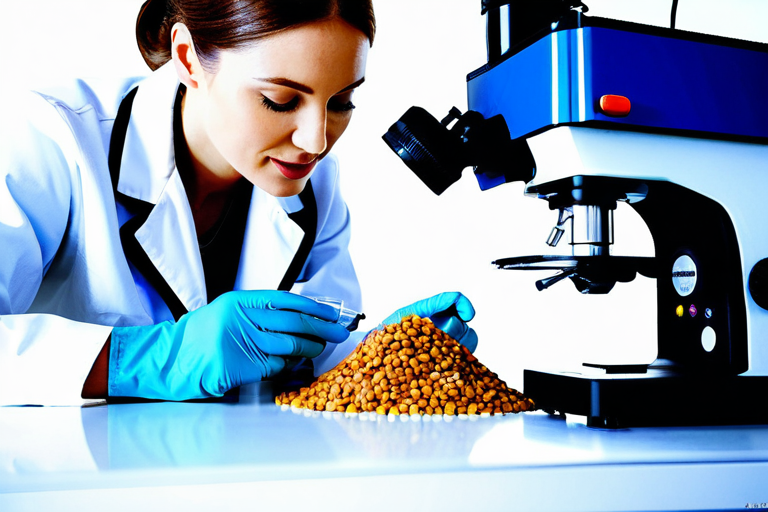
Modern veterinary nutrition involves precise analysis of dietary components
The Evolution of Pet Nutrition Science
Pet nutrition has undergone a remarkable transformation over the past century. According to research published in the Journal of the American Veterinary Medical Association, early commercial pet foods emerged in the 1860s, but it wasn't until the mid-20th century that nutritional science began informing formulation. Today, the field represents a sophisticated intersection of veterinary medicine, biochemistry, and animal behavior studies.
Dr. Michael Chen, a board-certified veterinary nutritionist at Cornell University's College of Veterinary Medicine, explains: "We've moved beyond simply meeting basic nutritional requirements. Modern pet nutrition considers species-specific needs, life stage requirements, and even individual genetic predispositions. The American Animal Hospital Association now recognizes nutrition as the fifth vital sign in veterinary assessment."
Macronutrients: Beyond Protein, Fat, and Carbohydrates
While protein often dominates pet food marketing, balanced nutrition requires careful consideration of all macronutrients. The National Academies of Sciences, Engineering, and Medicine establishes nutritional guidelines through their Nutrient Requirements of Dogs and Cats publications, which are regularly updated based on emerging research.
Key Nutritional Components:
- Protein Quality: Not all proteins are equal. Biological value, amino acid profile, and digestibility determine nutritional efficacy
- Fat Sources: Essential fatty acids like omega-3 and omega-6 influence skin health, cognitive function, and inflammatory response
- Carbohydrate Utilization: Species-specific differences in carbohydrate metabolism affect energy utilization and digestive health
A 2023 study published in the Journal of Nutritional Science demonstrated that dogs fed diets with balanced omega-3 to omega-6 ratios showed improved cognitive function in aging animals, suggesting nutritional interventions can potentially delay age-related cognitive decline.

Advanced laboratory analysis ensures nutritional accuracy in commercial pet foods
The Gut-Brain Axis: Nutritional Influence on Behavior
Emerging research reveals profound connections between gastrointestinal health and behavioral patterns in pets. The gut microbiome—comprising trillions of microorganisms—communicates with the central nervous system through the gut-brain axis, influencing mood, anxiety levels, and stress responses.
According to Dr. Elena Rodriguez, a researcher at the University of California, Davis School of Veterinary Medicine: "We're discovering that specific prebiotics and probiotics can modulate neurotransmitter production in the gut. This has significant implications for managing anxiety-related behaviors in pets. Our recent study, published in Scientific Reports, showed that dietary interventions reduced separation anxiety behaviors in dogs by 42% compared to control groups."
Life Stage Nutrition: Tailoring Diets Through Development
Nutritional requirements evolve significantly throughout a pet's life. The World Small Animal Veterinary Association guidelines emphasize distinct nutritional strategies for growth, maintenance, and senior life stages.
Specialized Diets: Therapeutic Nutrition in Veterinary Practice
Therapeutic diets represent one of the most significant advances in veterinary medicine. Prescription diets formulated for specific medical conditions can manage or even mitigate disease progression in ways medications alone cannot achieve.
Clinical Applications of Therapeutic Diets:
Renal Support: Reduced phosphorus and high-quality protein diets can extend kidney function in cats with chronic kidney disease by an average of 1.5 years, according to Cornell Feline Health Center research.
Urinary Health: pH-balanced diets with controlled mineral content prevent crystal formation in susceptible animals.
Gastrointestinal Disorders: Highly digestible, novel protein diets manage food sensitivities and inflammatory bowel disease.

Veterinary consultation ensures appropriate therapeutic diet selection
Raw and Alternative Diets: Scientific Evaluation
The popularity of raw, grain-free, and alternative diets has sparked considerable debate within the veterinary community. While some pet owners report positive outcomes, scientific evaluation reveals both potential benefits and significant risks.
The U.S. Food and Drug Administration continues to investigate potential links between grain-free diets and dilated cardiomyopathy in dogs. Meanwhile, the Centers for Disease Control and Prevention warns about bacterial contamination risks in raw diets, particularly for immunocompromised household members.
"The key is evidence-based decision making," advises Dr. James Wilson of the Veterinary Nutritional Consultancy. "While some alternative diets may benefit specific animals, they require careful formulation and monitoring. Home-prepared diets, in particular, often lack essential nutrients unless formulated by a board-certified veterinary nutritionist."
Future Directions in Pet Nutrition Research
The frontier of pet nutrition continues to expand with several promising research directions:
- Personalized Nutrition: Genetic testing and microbiome analysis enabling truly individualized diet formulations
- Nutrigenomics: Understanding how specific nutrients influence gene expression and disease prevention
- Sustainable Nutrition: Developing environmentally responsible protein sources without compromising nutritional quality
- Cognitive Support: Nutritional strategies to maintain brain health throughout the aging process
The American College of Veterinary Nutrition reports that ongoing clinical trials are investigating nutritional interventions for cancer management, with preliminary results showing promise in improving quality of life and potentially enhancing conventional treatment efficacy.
Practical Recommendations for Pet Owners
Based on current scientific consensus from leading veterinary organizations:
- Consult with a veterinarian before making significant dietary changes
- Choose diets formulated by companies employing board-certified veterinary nutritionists
- Monitor body condition score regularly and adjust feeding amounts accordingly
- Consider life stage, activity level, and health status when selecting food
- Be cautious of marketing claims not supported by peer-reviewed research
References: This article synthesizes information from peer-reviewed journals including Journal of Veterinary Internal Medicine, Journal of Animal Science, and Veterinary Clinics of North America: Small Animal Practice, along with guidelines from the American Veterinary Medical Association, World Small Animal Veterinary Association, and National Research Council.