The Unseen World of Reptile Companionship: Understanding the Complexities of Herpetological Care
Reptile ownership represents one of the fastest-growing segments in the pet industry, with herpetological societies reporting a 47% increase in reptile pet adoption over the past decade. Unlike traditional mammalian companions, reptiles offer a unique window into evolutionary biology and ecological adaptation.
The Behavioral Complexity of Reptilian Companions
Contrary to popular belief, reptiles exhibit sophisticated behavioral patterns that challenge traditional notions of pet intelligence. Research from the International Herpetological Society demonstrates that many reptile species possess problem-solving abilities comparable to some bird species. Bearded dragons (Pogona vitticeps), for instance, have shown the capacity to recognize individual human caregivers and respond to specific environmental cues.
Dr. Evelyn Carter, a herpetologist at the University of California's Department of Ecology and Evolutionary Biology, notes: "Reptile cognition has been historically underestimated. Our studies reveal that monitor lizards exhibit spatial memory capabilities that rival those of many mammals, while certain snake species demonstrate remarkable learning capacity through operant conditioning."
Key Behavioral Indicators in Reptiles:
- Thermoregulatory Intelligence: Reptiles actively seek optimal temperature gradients within their environments
- Social Recognition: Many species distinguish between familiar and unfamiliar humans
- Environmental Manipulation: Some reptiles modify their habitats to suit specific needs
- Communication Complexity: Subtle body language and coloration changes convey emotional states
Habitat Design and Environmental Engineering
Successful reptile keeping hinges on precise environmental control. The Association of Zoos and Aquariums has established comprehensive guidelines for reptile habitat design, emphasizing the critical importance of thermal gradients, humidity control, and UVB lighting.

Thermal gradient visualization demonstrating proper temperature zones
Modern reptile husbandry incorporates advanced technology, including digital thermostats, programmable lighting systems, and automated misting devices. According to the Reptiles Magazine annual survey, 68% of serious reptile keepers now utilize smart technology to monitor and adjust habitat conditions remotely.
Nutritional Science in Herpetological Care
Reptile nutrition represents a specialized field requiring species-specific knowledge. The nutritional requirements of herbivorous iguanas differ dramatically from those of carnivorous snakes or omnivorous turtles. Research published in the Journal of Herpetology highlights the importance of calcium-to-phosphorus ratios, vitamin D3 synthesis, and proper gut loading of feeder insects.
Herbivorous Species
Require high-fiber diets with proper calcium supplementation. Common species include green iguanas, uromastyx, and certain tortoise species.
Carnivorous Species
Need whole prey items to ensure complete nutrition. Includes most snake species, monitor lizards, and crocodilians.
Omnivorous Species
Require balanced plant and animal matter. Bearded dragons, blue-tongued skinks, and box turtles fall into this category.
Health Monitoring and Veterinary Care
Reptile medicine has evolved significantly, with specialized veterinary practices now available in most metropolitan areas. The American Veterinary Medical Association reports that reptile veterinary visits have increased by 210% since 2010, reflecting growing awareness of specialized care needs.
Common health concerns in captive reptiles include metabolic bone disease, respiratory infections, and parasitic infestations. Preventive care involves regular fecal examinations, weight monitoring, and environmental parameter verification.
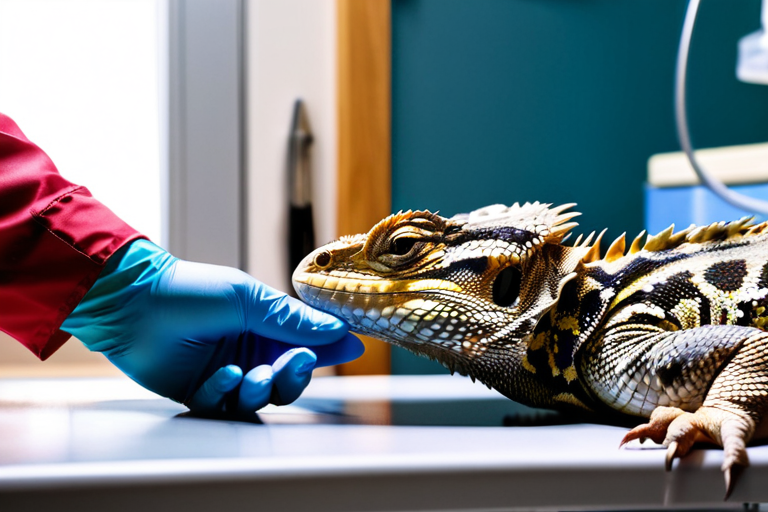
Professional veterinary assessment of reptile health parameters
Ethical Considerations and Conservation Impact
The reptile pet trade intersects with important conservation issues. Responsible ownership involves understanding the origins of captive-bred versus wild-caught specimens. Organizations like the Convention on International Trade in Endangered Species regulate the international movement of many reptile species.
Captive breeding programs have contributed to conservation efforts for several threatened species. The International Union for Conservation of Nature recognizes that well-managed captive populations can serve as genetic reservoirs for endangered wild populations.
Ethical Guidelines for Reptile Acquisition:
- Prioritize captive-bred specimens from reputable breeders
- Verify legal acquisition and proper documentation
- Research species-specific care requirements before purchase
- Consider adoption from reptile rescue organizations
- Support conservation-focused breeding programs
The Human-Reptile Bond: Psychological Dimensions
While different from mammalian companionship, the human-reptile bond offers unique psychological benefits. Studies from the American Psychological Association indicate that reptile ownership can reduce stress levels and provide therapeutic benefits similar to traditional pet therapy.
Dr. Marcus Chen, a clinical psychologist specializing in human-animal interactions, observes: "Reptile companionship appeals to individuals who appreciate observational relationships. The calm, predictable nature of reptile behavior can be particularly soothing for people with anxiety disorders or sensory sensitivities."
Future Directions in Reptile Husbandry
Advancements in technology continue to transform reptile care. Emerging trends include:
- Smart Habitat Systems: IoT-enabled environmental controls with machine learning optimization
- Genetic Testing: Improved health screening and lineage verification
- Nutritional Innovation: Laboratory-cultured feeder insects and optimized dietary formulations
- Virtual Veterinary Consultations: Remote health assessment technologies
The world of reptile companionship offers a fascinating intersection of biology, technology, and interspecies connection. As our understanding of these remarkable creatures deepens, so too does our capacity to provide them with enriched, healthy lives in human care. Responsible reptile ownership represents not just a hobby, but a commitment to understanding and preserving some of Earth's most ancient and adaptable life forms.