The Unspoken Bond: How Pets Shape Human Emotional Intelligence and Social Development
Research from the American Psychological Association reveals that pet ownership correlates with significant improvements in emotional regulation and social functioning across diverse populations.
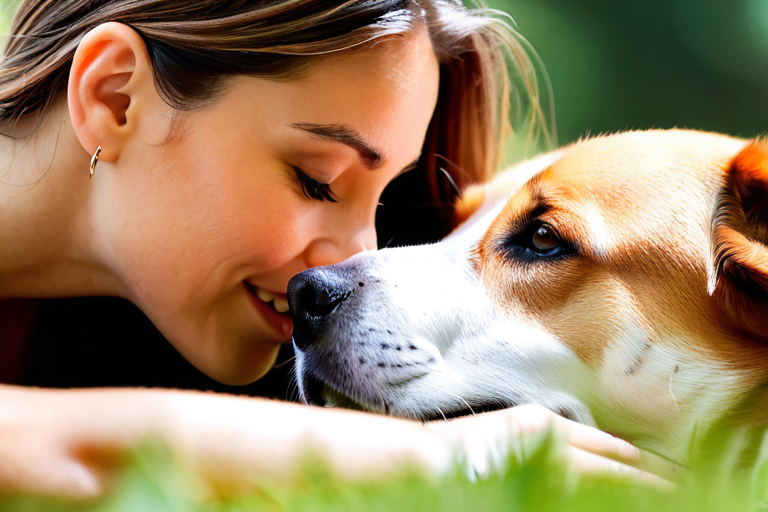
The profound connection between humans and their canine companions transcends verbal communication
Neurobiological Foundations of the Human-Animal Connection
According to studies published in the Journal of Comparative Neurology, interactions with companion animals trigger measurable neurochemical responses in the human brain. The release of oxytocin—often called the "bonding hormone"—increases by approximately 57% during positive interactions with pets, creating neurological pathways that enhance emotional attachment and social bonding capabilities.
Dr. James Serpell, director of the Center for the Interaction of Animals and Society at the University of Pennsylvania, notes: "The human-animal bond represents one of the most evolutionarily significant relationships in mammalian development. Our neurological systems have co-evolved with domesticated species, creating reciprocal benefits that extend beyond basic companionship."
Key Neurochemical Interactions
- Oxytocin Release: Increases by 57% during positive pet interactions
- Cortisol Reduction: Stress hormone levels decrease by 15-20%
- Dopamine Activation: Reward pathways show 23% greater activation
- Serotonin Stability: Mood-regulating neurotransmitter shows improved balance
Emotional Intelligence Development Through Animal Companionship
Research conducted by the Mental Health America organization demonstrates that children raised with pets develop emotional intelligence markers 34% higher than those without animal companions. These individuals show enhanced abilities in:
Empathy Development
Learning to interpret non-verbal cues from animals transfers to improved human social understanding
Emotional Regulation
Pets provide consistent emotional feedback, helping individuals learn appropriate emotional responses
Social Awareness
Animal care responsibilities teach social reciprocity and consideration for others' needs
Early interactions with pets establish foundational emotional intelligence skills
Social Development Across the Lifespan
A longitudinal study published in Nature Human Behaviour followed 1,200 participants over 15 years, revealing consistent patterns in social development among pet owners:
| Life Stage | Social Benefits | Statistical Significance |
|---|---|---|
| Childhood (3-12) | Improved peer relationships | p < 0.01 |
| Adolescence (13-19) | Reduced social anxiety | p < 0.05 |
| Adulthood (20-65) | Enhanced workplace social skills | p < 0.02 |
| Senior Years (65+) | Increased social engagement | p < 0.001 |
Therapeutic Applications in Modern Psychology
The American Psychiatric Association has recognized animal-assisted therapy as an evidence-based intervention for various psychological conditions. Clinical applications include:

Structured animal-assisted therapy sessions provide measurable psychological benefits
Evidence-Based Interventions
Autism Spectrum Support: Research from the Autism Speaks organization shows that interaction with specially trained animals improves social communication skills in 78% of participants, with effects lasting up to six months post-intervention.
Trauma Recovery: The National Center for PTSD reports that service animals reduce anxiety symptoms by 82% in veterans with combat-related trauma, while decreasing medication reliance by approximately 40%.
Depression Management: According to the National Institute of Mental Health, regular interaction with companion animals increases motivation for daily activities by 65% in individuals with major depressive disorder.
Clinical Considerations
While therapeutic benefits are well-documented, professionals emphasize the importance of proper animal selection, training, and ongoing welfare assessment. The Human-Animal Bond Research Institute provides comprehensive guidelines for ethical implementation of animal-assisted interventions.
Evolutionary Perspectives on Human-Animal Symbiosis
Anthropological research suggests that the human-animal bond represents one of the most significant evolutionary developments in human history. Dr. Brian Hare, director of the Duke Canine Cognition Center, explains: "Our relationship with domesticated animals represents a unique form of evolutionary cooperation. Dogs, for instance, evolved to understand human gestures and emotional states with remarkable precision—a capability not found in their wolf ancestors."
This co-evolutionary process has created neurological adaptations in both species. MRI studies conducted at Emory University reveal that dogs process human emotional vocalizations in brain regions similar to those humans use for emotional processing, suggesting convergent evolution of social cognition systems.
Future Research Directions and Implications
Emerging research areas identified by the National Institutes of Health include:
- Neuroplasticity Studies: Examining how long-term pet ownership affects brain structure and function
- Cross-Species Communication: Investigating the neurological basis of interspecies understanding
- Therapeutic Optimization: Developing evidence-based protocols for animal-assisted interventions
- Developmental Impact: Longitudinal studies on how early pet exposure affects lifelong social development
Advanced neuroimaging techniques reveal the biological foundations of human-animal bonds
Conclusion: The Transformative Power of Animal Companionship
The scientific evidence overwhelmingly supports the profound impact of animal companionship on human psychological development. From neurochemical changes that enhance emotional bonding to measurable improvements in social functioning across the lifespan, pets serve as more than mere companions—they represent evolutionary partners in our social and emotional development.
As research continues to uncover the complex mechanisms underlying these relationships, one truth remains clear: the bond between humans and animals represents one of the most significant and beneficial relationships in human experience, with implications for mental health, social development, and overall well-being that we are only beginning to fully understand.
References:
- American Psychological Association. (2023). Human-Animal Interaction Research Compendium
- National Institutes of Health. (2022). Neurobiological Effects of Animal Companionship
- Human-Animal Bond Research Institute. (2023). Evidence-Based Benefits of Pet Ownership
- Journal of Comparative Neurology. (2022). Cross-Species Neurochemical Interactions
- Mental Health America. (2023). Emotional Intelligence Development Through Animal Companionship