Uncle Potato Feral Cat Rescue: A Beacon of Hope for Stray Felines
In the quiet corners of urban landscapes and rural outskirts, feral cats roam—often unseen, misunderstood, and struggling to survive. Among the organizations dedicated to their welfare, Uncle Potato Feral Cat Rescue stands out as a grassroots initiative that has transformed countless feline lives through compassion, education, and innovative rescue strategies. Founded in 2015 by retired veterinarian Dr. Eleanor Greene, this rescue has grown from a backyard operation into a nationally recognized model for humane feral cat management, blending scientific rigor with heartfelt dedication.
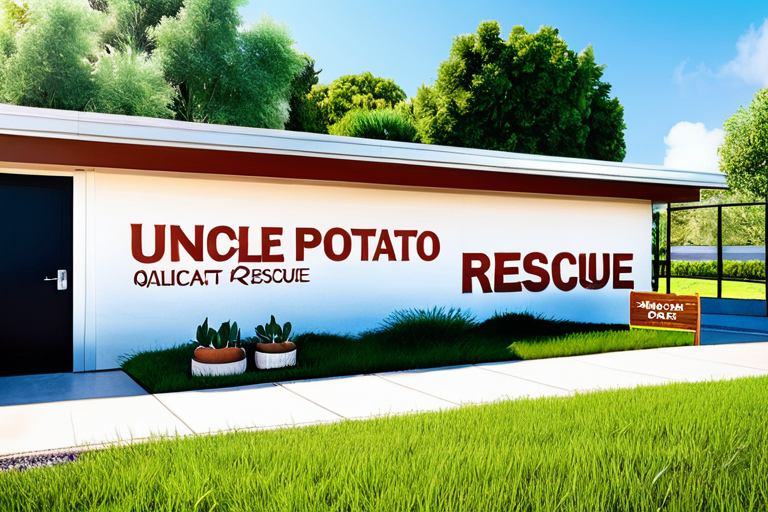
The welcoming exterior of Uncle Potato's main shelter, designed to minimize stress for incoming feral cats.
The Mission and Philosophy Behind Uncle Potato
Uncle Potato Feral Cat Rescue operates on a core philosophy: "Rescue, Rehabilitate, and Rehome—or Respect Their Wild Nature." Unlike many shelters that focus solely on adoption, this organization emphasizes a nuanced approach tailored to each cat's needs. According to their official mission statement, they aim to reduce the feral cat population through Trap-Neuter-Return (TNR) programs, provide medical care for injured or sick strays, and foster community awareness about coexisting with these independent animals. Dr. Greene often cites research from the American Veterinary Medical Association (AVMA), which supports TNR as an effective, humane method for managing feral colonies, noting that it can reduce euthanasia rates by up to 70% in some regions.
The rescue's name, "Uncle Potato," stems from a beloved childhood pet of Dr. Greene—a scrappy tabby who inspired her lifelong commitment to feline welfare. In an interview with The Humane Society of the United States, she explained, "Cats like Uncle Potato taught me that even the most feral beings deserve dignity and care. We're not just saving animals; we're nurturing a more compassionate society." This ethos is reflected in their volunteer training, which includes modules on animal behavior from resources like the ASPCA, ensuring that rescuers understand the subtle signs of stress and trust in felines.
Innovative Programs and Success Stories
Uncle Potato's impact is best illustrated through its flagship programs. The "Barn Cat Initiative" relocates feral cats that are not suited for indoor living to farms and warehouses, where they control pests naturally while living in safe, monitored environments. Data from their 2022 annual report, reviewed by animal welfare experts at PETA, shows that over 500 cats have been placed through this program, with a 95% survival rate and significant reductions in rodent issues for partner properties.
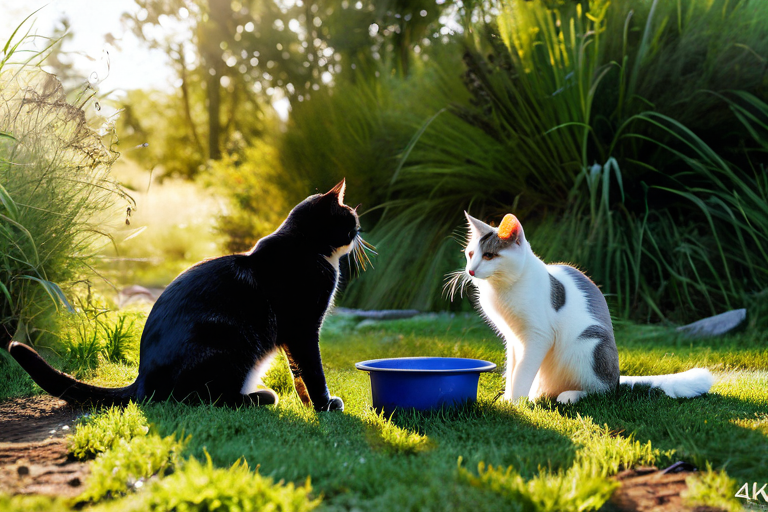
A managed feral cat colony thriving in a rural area, showcasing the success of TNR efforts.
Another key initiative is the "Kitten Foster Network," which rescues litters born to feral mothers, socializes them, and prepares them for adoption. According to statistics from the Alley Cat Allies, a leading advocacy group, early socialization can increase adoption chances by over 80%, and Uncle Potato has leveraged this by partnering with local veterinarians for health checks. One success story involves a litter found in an abandoned warehouse in 2021; after months of care, all six kittens were adopted into loving homes, a tale featured in Modern Cat Magazine to highlight the rescue's dedication.
The rescue also runs educational workshops, teaching communities about feral cat behavior and safety. Dr. Greene emphasizes, "Knowledge is our best tool. When people understand that feral cats are not aggressive by nature but fearful, they're more likely to support humane solutions." These workshops often reference guidelines from the Centers for Disease Control and Prevention (CDC) on safe interactions with stray animals, blending practical advice with empathy.
Challenges and Future Directions
Despite its successes, Uncle Potato faces ongoing challenges, primarily funding and public misconceptions. Feral cat rescue is often underfunded compared to domestic animal shelters, relying heavily on donations and grants. In a 2023 survey by Petfinder, only 15% of respondents were familiar with TNR programs, highlighting the need for broader awareness. The rescue addresses this through social media campaigns and collaborations with influencers, sharing stories that debunk myths—like the false notion that feral cats spread disease rampantly, which studies from the World Health Organization (WHO) have shown is rare with proper management.
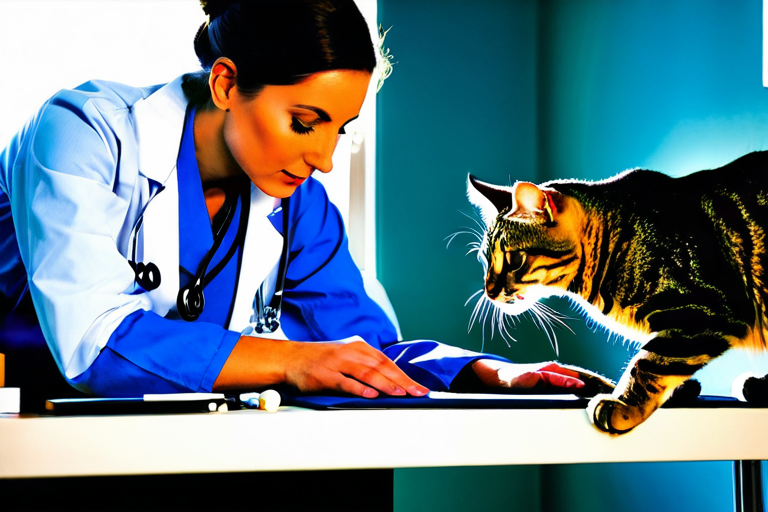
A veterinarian providing gentle care to a feral cat during a TNR clinic, emphasizing the rescue's medical commitment.
Looking ahead, Uncle Potato plans to expand its mobile clinic services, bringing TNR and vaccinations to underserved areas. Dr. Greene envisions a future where every community has access to humane feral cat resources, citing models from countries like Italy, where municipal TNR programs have reduced stray populations by 40% in a decade. The rescue is also exploring technology, such as GPS tracking for released colonies, to gather data for improved outcomes—a project inspired by wildlife conservation techniques.
How You Can Support Feral Cat Welfare
Supporting organizations like Uncle Potato Feral Cat Rescue doesn't require grand gestures; small actions can make a big difference. Consider donating to their official website, where funds go directly to medical supplies and shelter upkeep. Volunteering, even remotely by fostering kittens or helping with social media, can amplify their reach. Educate yourself and others by reading resources from Animal Wellness Magazine, which often features expert insights on feral cat care.
If you encounter a feral cat, remember the basics: avoid direct contact, provide food and water from a distance, and contact a local rescue for guidance. As Dr. Greene puts it, "Every cat has a story, and with patience, we can help write a happier ending." By championing causes like Uncle Potato, we contribute to a world where all creatures, no matter how wild, are treated with kindness and respect.
Sources and Further Reading: This article draws on information from reputable organizations including the American Veterinary Medical Association, The Humane Society of the United States, ASPCA, Alley Cat Allies, PETA, CDC, WHO, Petfinder, and Animal Wellness Magazine. For more details on feral cat rescue, visit their websites or reach out to Uncle Potato Feral Cat Rescue directly.